

Two years after Alex Lobanov was murdered in Hamas captivity alongside Hersh Goldberg-Polin, Ori Danino, Carmel Gat, Almog Sarusi and Eden Yerushalmi, his widow, Michal Lobanov, says time has done little to soften the loss.
This year, she chose to mark the painful anniversary abroad with their two sons, Tom and Kai. Kai was born while his father was being held hostage in Gaza and never had the chance to meet him. “I look at Kai all the time and try to imagine what Alex would say about him,” she said. “How he would hug him and kiss him. And missed opportunity is the word that has followed me for years and gives me no rest.”
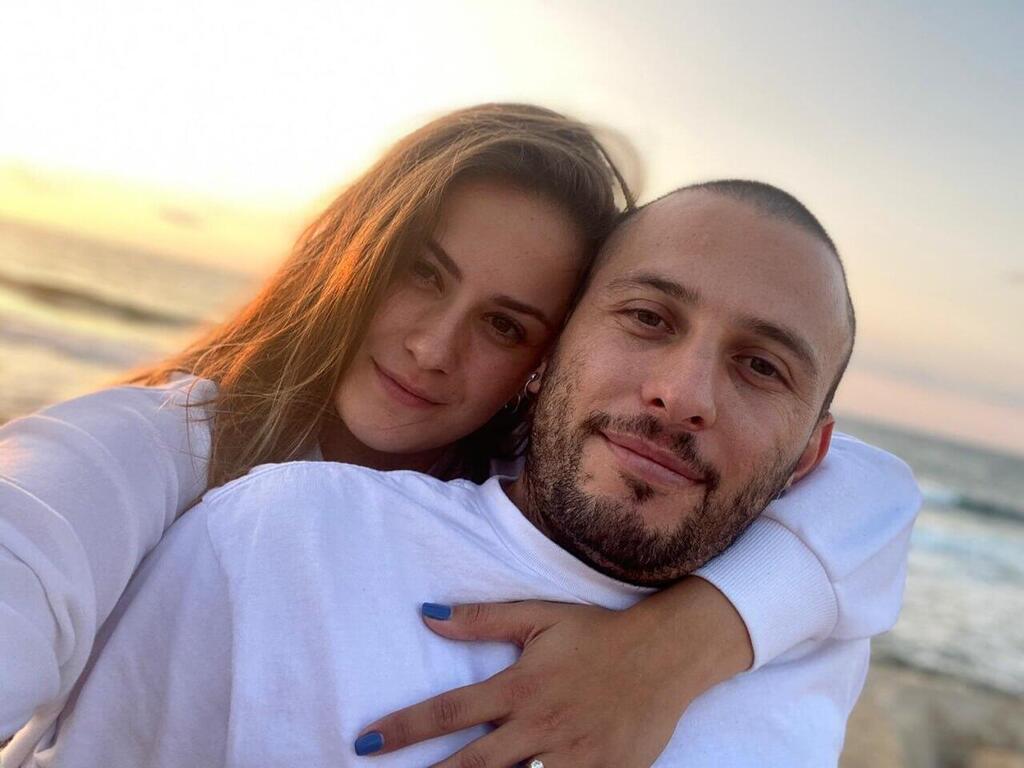
For the families of the six hostages, Lobanov said, there are now too many dates attached to their grief. “There’s the Hebrew date, the date of the murder itself, the burial date and the date of the kidnapping,” she said. “It feels like one enormous circle of sadness that never ends. This year we escaped for our own peace of mind. Time does not heal. The pain is enormous.”
What hurts most, she said, is the life her husband and their children were denied. “The hardest thing for me is that Alex never got to raise his children and that the boys don’t get to grow up with a father,” she said. “And the worst thing is that nothing has changed in our country. Everything is exactly the same as it was on October 6, 2023.”
“What am I supposed to tell my sons, other than that their father was a true hero?” she asked. “What am I supposed to tell them happened after our six were murdered?”

Top right: Hersh Goldberg-Polin, Eden Yerushalmi, Ori Danino. Bottom right: Almog Sarusi, Carmel Gat, Alex Lobanov
(Photo: Courtesy)
Lobanov said she still hopes to raise her sons in a country that reflects the values she associates with her husband and the five hostages killed alongside him. “I hope I manage to raise them in a better, more principled and moral place, because that is the legacy of Alex, Almog, Ori, Eden, Carmel and Hersh,” she said. “We owe them that.”
Earlier Monday, activists from the Women’s Protest demonstrated outside Prime Minister Benjamin Netanyahu’s home in Jerusalem to mark two years since the bodies of the six hostages were recovered. A banner displayed at the protest read: “We will not forget. They could have come home alive.”
The activists accused Netanyahu and his aides of failing to take responsibility for the events surrounding October 7 and of rejecting hostage deals that, they argued, could have brought captives home alive.
Ori went back to save others, Hersh lost his hand to a grenade
Goldberg-Polin, 23, was born in the United States and immigrated to Israel with his family in 2008. He attended the Nova music festival near Re’im and was abducted from a roadside bomb shelter that later became known as the “death shelter.”
In footage released during the war with the families’ approval, Hamas terrorists could be seen forcing him and three other hostages into a pickup truck.
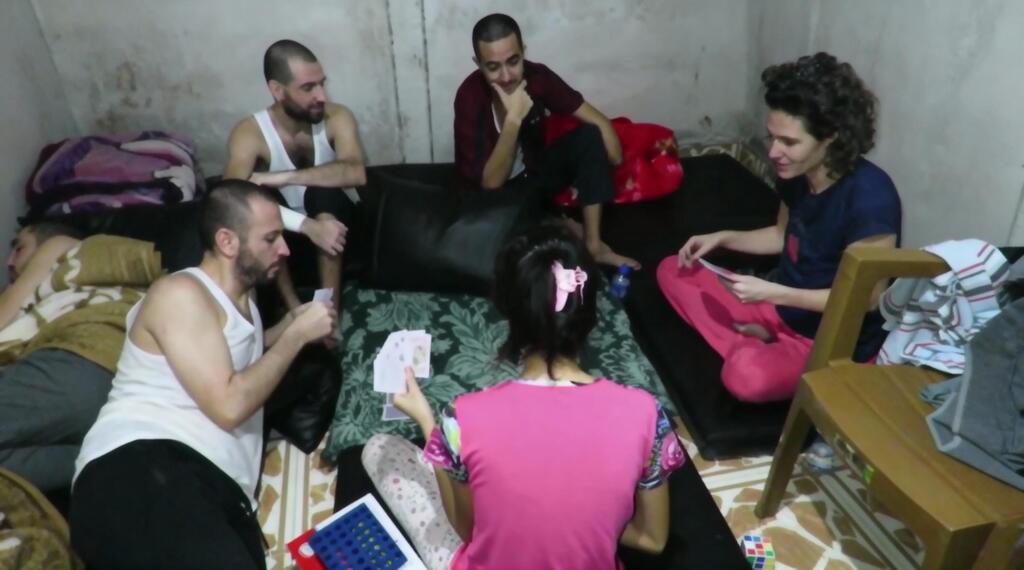
Footage of the six hostages inside a Hamas tunnel
Hersh Goldberg-Polin had lost part of his left arm after a grenade thrown by Hamas terrorists exploded inside the shelter.
Ori Danino, 25, from Jerusalem, had also attended the Nova festival with friends, including Maya and Itay Regev and Omer Shem Tov. He initially escaped the attack by car, but turned back in an attempt to rescue friends despite warnings not to return. He was then captured by terrorists.
Eden Yerushalmi, 24, from Tel Aviv, was working as a bartender at the festival. During the first hour of the attack, she hid in a car alongside the bodies of friends before moving to bushes, where she remained concealed for about two and a half hours.
Her family later released a recording of a call with a police dispatcher who instructed her to hide, silence her phone and remain available. “Please find me, OK?” Yerushalmi said before the call ended.
Alex Lobanov, 32, from Ashkelon, managed the bar at the Nova festival. For 18 days after the attack, his fate was unknown. At the time, his wife and eldest son were sheltering in their home in Ashkelon.
Michal was in an advanced stage of pregnancy when Alex was abducted. Their second son, Kai, was born while he was still being held in Gaza. “I was left alone,” she cried during one Knesset hearing as she criticized what she described as insufficient state support.
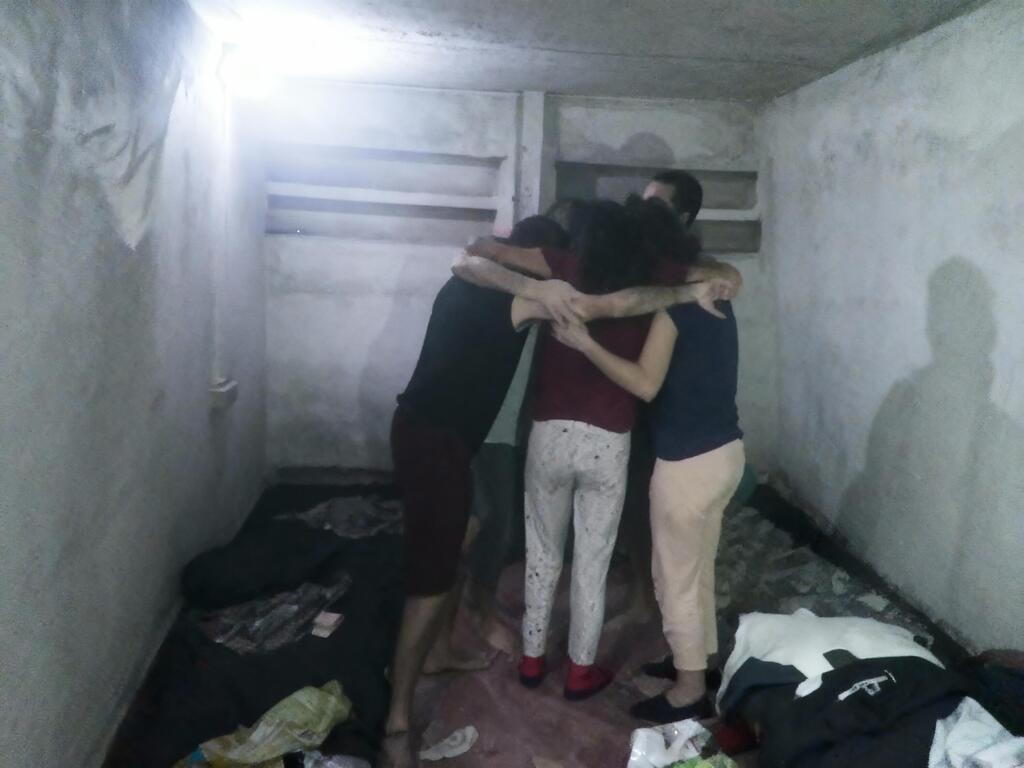
Hersh’s mother called them ‘the beautiful six’
Carmel Gat, 40, a master’s student in occupational therapy, was abducted from her parents’ home in Kibbutz Be’eri on October 7. Her mother, Kinneret, was murdered. Her sister-in-law, Yarden Roman-Gat, was abducted alongside her and released after 54 days in Hamas captivity, reuniting with her husband, Alon, and their daughter Geffen, who had escaped the terrorists.
Almog Sarusi, 27, from Ra’anana, attended the Nova festival with his girlfriend, Shahar Gindi. Gindi was murdered in the attack, while Sarusi was abducted to Gaza. He worked as a lighting technician, and musicians marked his birthday in January 2024 with tributes during performances.
According to an IDF investigation, the six hostages were held in a tunnel in the Tel Sultan area of Rafah. On August 31, 2024, Israeli troops found their bodies in a tunnel about 20 meters underground.
The military investigation concluded that Hamas terrorists shot the six to death roughly a day before Israeli forces reached the tunnel. The IDF did not know their precise location at the time.
The investigation also found that Hamas leader Yahya Sinwar, who was killed about a month and a half later, had been in the broader area near where the hostages were held, though there was no evidence that he had met them or personally guarded them.
Farhan al-Qadi, an Israeli hostage who had been found alive in a nearby tunnel several days earlier, also said, according to the investigation, that he had neither encountered Sinwar nor met other hostages.
Two years later, for Lobanov, the military findings and the chronology cannot answer the question that matters most. Her sons are growing up without their father, and, as she put it, “Time does not heal. The pain is enormous.”