


Statements by several leaders of Iran-backed Iraqi militias in recent days calling for all weapons to be placed under state control have raised questions about whether at least some factions within the so-called “Axis of Resistance” are undergoing a real shift in strategy or merely issuing calculated declarations under domestic and international pressure.
The new stance is surprising given these militias’ longstanding refusal to disarm, their alignment with anti-American forces and their insistence on a full U.S. withdrawal from Iraq.
Gallery
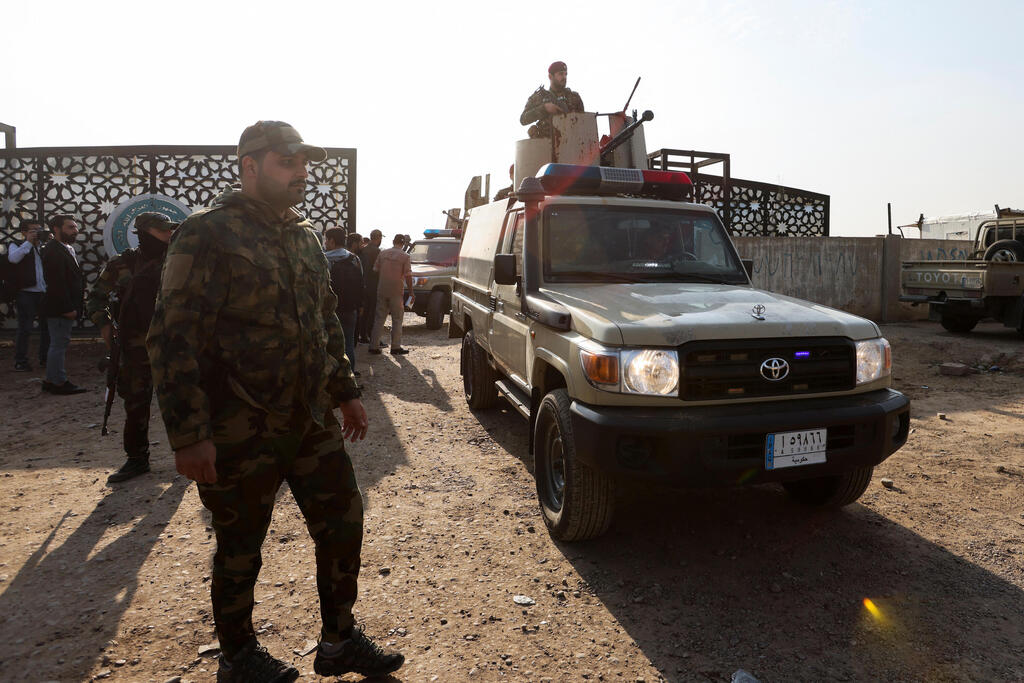
Armed members of pro-Iranian militias near their headquarters in Baghdad, Iraq
(Photo: REUTERS/Ahmed Saad)
Qais al-Khazali, secretary-general of the Khazali Network and a powerful political figure with 27 seats in parliament, was quoted on Thursday as saying that turning over weapons to the state is a government demand, and pledged that his group would work to implement it in the near future.
According to a report published Friday by the Saudi-owned daily Asharq al-Awsat, similar messages were echoed by Haydar al- Gharawi, head of the Ansar Allah al-Awfiya militia, and by Shibl al-Zaydi, commander of the Imam Ali Brigades.
According to Asharq al-Awsat, all three groups are part of the Shiite Coordination Framework, which currently leads Iraq’s ruling coalition. They are also designated as terrorist organizations by the United States. This overlap has fueled speculation that their recent statements reflect a political maneuver aimed at Washington, which has made clear it will not accept the inclusion of Iran-aligned militias in the formation of Iraq’s next government.
The newspaper quoted Iraqi political analyst Nizar Haidar, who said the militia leaders’ calls to centralize weapons under state authority stem from growing recognition of the U.S.’s firm position. According to Haidar, Shiite factions increasingly understand that Washington will not engage with a government that includes these groups, prompting what he described as a “race against time” by the militias to demonstrate good faith.
Haidar divided the militias into two main categories. The first includes those seeking to transition from armed groups operating outside state authority into recognized elements of Iraq’s formal security structure. Their support for centralizing arms, he argued, is motivated by a desire for international legitimacy.
The second category comprises militias that, despite participating in Iraq’s last parliamentary elections, do not yet consider themselves part of the political process. These groups continue to use rhetoric typical of the “Axis of Resistance” and are trying to extract as many political, economic and security concessions as possible before formally integrating into the state.
A second expert interviewed by the newspaper compared the Iraqi militias’ messaging to that of Hezbollah in Lebanon, noting that they too seek to portray disarmament or any shift in posture as a purely domestic Iraqi process, rather than one driven by American or external pressure.
Asharq al-Awsat published an additional report on Saturday claiming that Iraq’s government and influential political factions received two unusual warnings over the past two weeks, one from an Arab state and the other from a Western intelligence agency, cautioning of imminent and extensive military strikes on Iraqi soil.
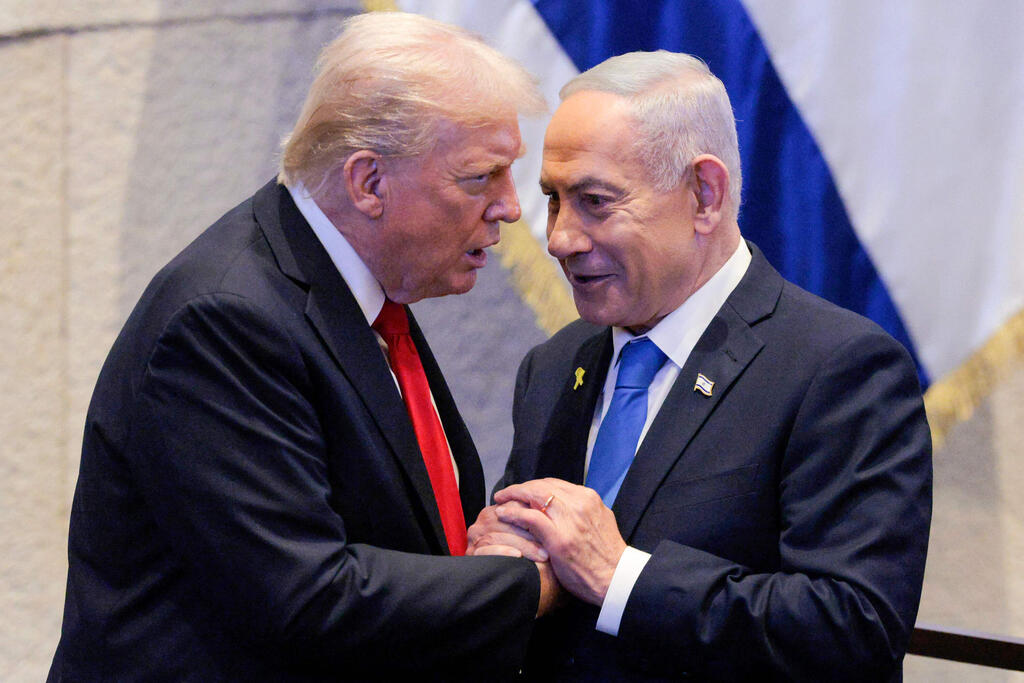
US President Donald Trump and Prime Minister Benjamin Netanyahu
(Photo: Chip Somodevilla / POOL / AFP)
According to sources cited by the newspaper, the first message came from the unnamed Arab state, which warned that Baghdad was dangerously close to becoming the target of a military operation similar to Israel’s strike in Doha in September. The report stated that “the level of threat is extremely serious,” and that Israel is now reportedly saying it has received a green light from the U.S. to act unilaterally.
A few days later, Iraqi officials reportedly received a large intelligence file from a Western agency containing detailed lists prepared by an Israeli intelligence body, including extensive information on Iraqi militias. According to the report, the Western agency informed Baghdad that Israel was preparing for a wide-scale operation.
A Shiite leader affiliated with the ruling Coordination Framework was quoted as saying the dual warnings spurred Shiite factions in Iraq to accelerate efforts to address the militia weapons issue. However, disagreements reportedly persist over how the disarmament process should be implemented, and which government body would oversee the dismantling of militia capabilities.
Meanwhile, Kataib Hezbollah, one of the most powerful pro-Iranian militias in Iraq, declared that no agreement with the Iraqi government would be possible until all “occupying forces,” including NATO troops and Turkish military units, withdraw. “Resistance is a right, and its weapons will remain in the hands of its fighters,” the group said in a statement.