


As Israel and Lebanon prepare to open negotiations next week, and with the IDF reducing strikes against Hezbollah at the request of U.S. President Donald Trump, residents in northern Israel expressed growing frustration Thursday.
“The Israeli government is paving the way for a fifth Lebanon war,” said Rafael Slav, deputy mayor of Kiryat Shmona and a father of five. He argued that Hezbollah is embedded in Lebanon’s government and called for dismantling the group “civilian and militarily” while pushing the border to the Litani River. “We will believe only what we see.”
Gallery
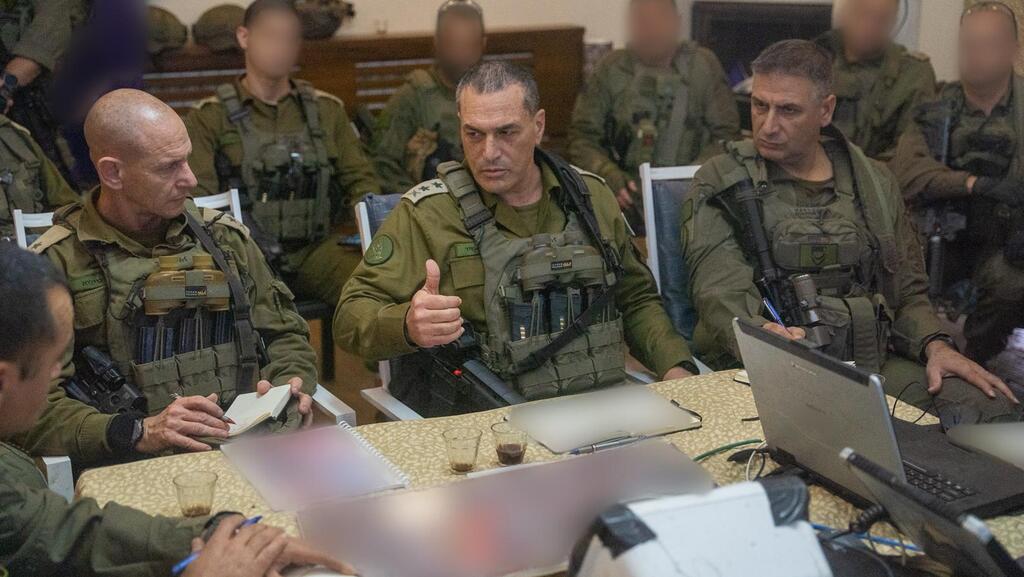
'Continuing forcefully against Hezbollah,' IDF chief of staff says in southern Lebanon
(Photo: IDF)
Lt. Col. (res.) Sarit Zehavi, founder and president of the Alma Research and Education Center, and chief researcher Tal Beeri outlined a proposed “end-state” strategy. They said Hezbollah is unlikely to disarm voluntarily and that Lebanon’s government, fearing civil war, will not act quickly. Meaningful change, they argued, requires coordinated action by Lebanon, Israel and the international community.
Their recommendations call for a broad campaign beginning in Beirut to dismantle Hezbollah’s civilian, institutional and financial networks. They urged international pressure on Lebanon to designate Hezbollah as a terrorist organization, dismiss affiliated officials, shut down its independent education, health and welfare systems and ban its financial operations, including the Al-Qard al-Hassan association.
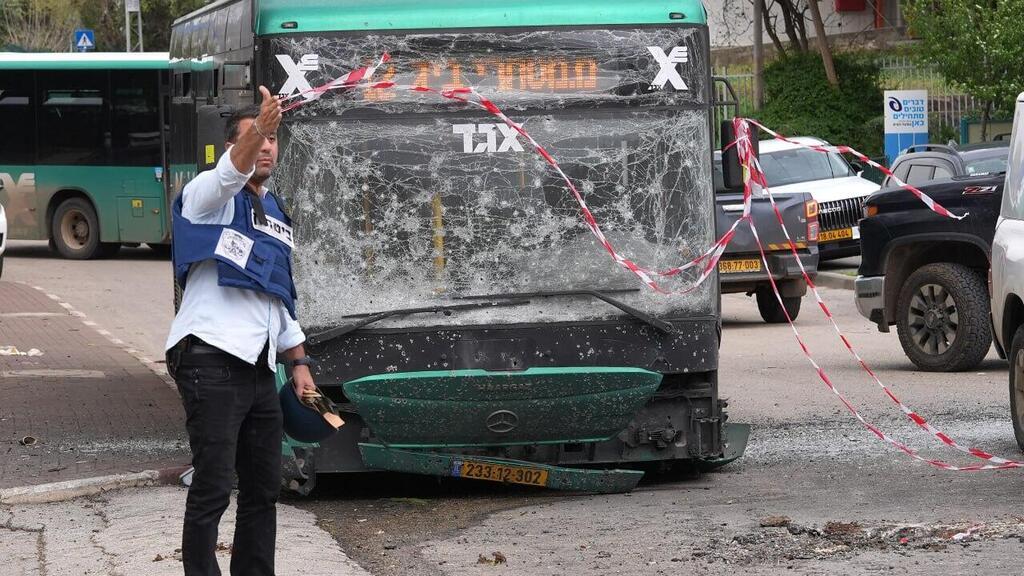
Impact site in Kiryat Shmona
(Photo: Efi Sharir)
They also called for a “cleanup” within the Lebanese army, including removing officers cooperating with Hezbollah and severing diplomatic ties with Iran. Militarily, they said Israel should independently dismantle Hezbollah south of the Litani and establish a 10-kilometer buffer zone free of civilians to prevent the return of militant infrastructure and neutralize anti-tank missile threats. Additional steps include striking Hezbollah infrastructure and command centers in Beirut’s Dahieh district and targeting civilian assets that support its military activity, such as fuel networks and solar energy facilities.
The advocacy group Lobby 1701 criticized the government, accusing it of negotiating with “a murderous terrorist organization” while paving the way for another war. The group said Lebanon’s government and army are effectively controlled by Hezbollah and warned against halting IDF operations before the group is disarmed and pushed north of the Litani.
“Effective negotiations can only take place under fire,” the group said, adding that previous agreements allowed Hezbollah to rebuild its arsenal.
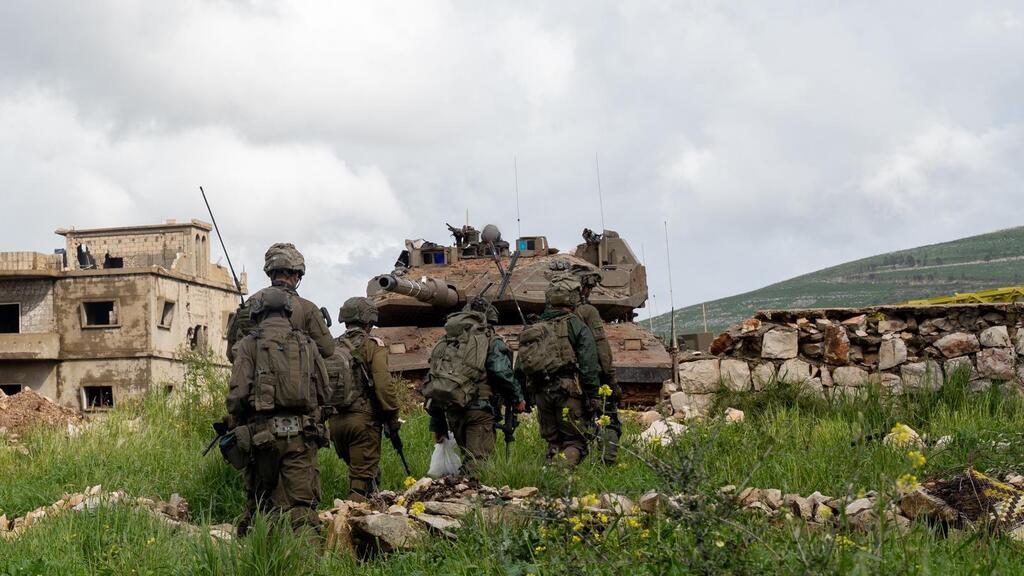
IDF soldiers in Southern Lebanon
(Photo: IDF)
'Decisions — not fate'
Matan Davidian, a resident of Shlomi and a leader in Lobby 1701, said any negotiations must begin with a clear acknowledgment that Hezbollah is inseparable from the Lebanese state.
“As long as Hezbollah is not outlawed and disarmed, there will be no real change,” he said. “Any agreement without binding terms on this issue will lead directly to the next round of fighting under worse conditions.”
He added that northern residents are not prepared for another cycle of rocket fire, evacuations and uncertainty. “Without real security, there will be no growth, no new businesses, no young families — and the Galilee will fall behind,” he said, stressing that the current situation “is not fate, but the result of decisions.”
Hefziba Bohbot, a resident of Kiryat Shmona, described life near the border since the start of Operation Lion’s Roar as dominated by sirens, strikes, sleepless nights and anxious children.
“You cannot talk about returning to normal without security,” she said. “People were evacuated, communities dismantled, businesses collapsed — only to return to the same reality of fear and uncertainty.”
She said any agreement with Hezbollah at this stage would not provide the security needed for recovery. “Normal life cannot mean living under constant threat, with children studying remotely and parents unable to work,” she said.
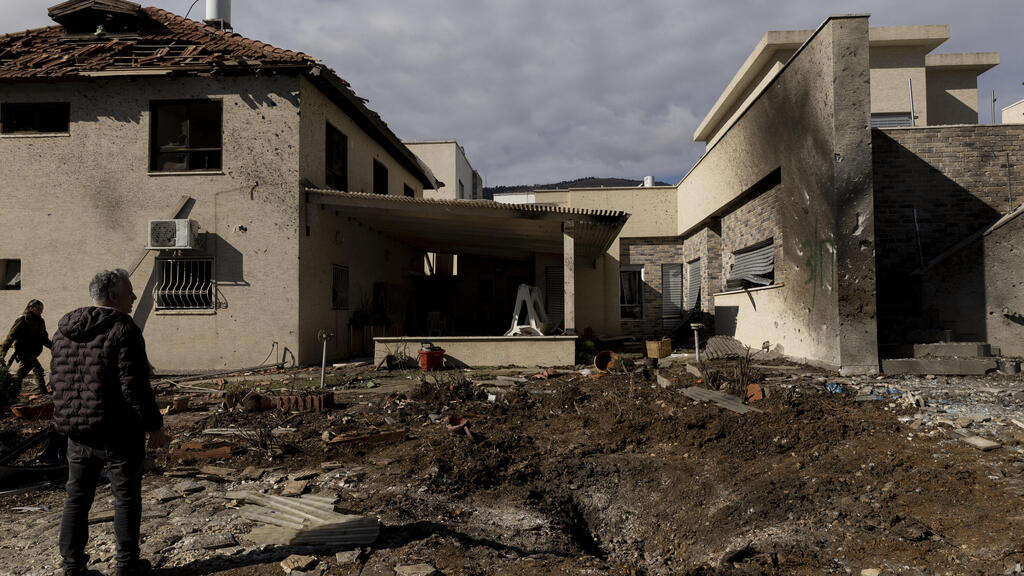
Impact site in northern Israel
(Photo: Amir Levy/Getty Images)
Bohbot also criticized the public discourse, saying it focuses on minor issues instead of pressing the government for proper funding and compensation. She called for broader financial support for residents and businesses that have suffered losses but do not meet current criteria.
“People returned from long evacuations straight into another round of fighting without time to recover,” she said. “What’s needed is a long-term plan for Kiryat Shmona and the Galilee — investment in protection, mental health, jobs, education and infrastructure. Without that, there is no return to normal. There is only survival.”