

International pressure on Israel to halt its strikes in Lebanon intensified Thursday evening, amid the growing scale of casualties and destruction in the country and against the backdrop of Iran’s threat not to attend negotiations with the United States in Islamabad unless a ceasefire is reached in Lebanon — a step Tehran says is among the formal conditions for its own ceasefire agreement with Washington.
Reuters reported Thursday that in a phone call with Prime Minister Benjamin Netanyahu a day earlier, President Donald Trump asked him to scale back the strikes in Lebanon to help ensure the success of negotiations with Iran. According to the report, citing a senior U.S. administration official, while the Trump administration and Israel agree that Lebanon is not included in the ceasefire arrangement, Israel agreed to “be a helpful partner.” The official said the call came after Netanyahu publicly declared Wednesday that Israel intended to continue striking Lebanon with force.
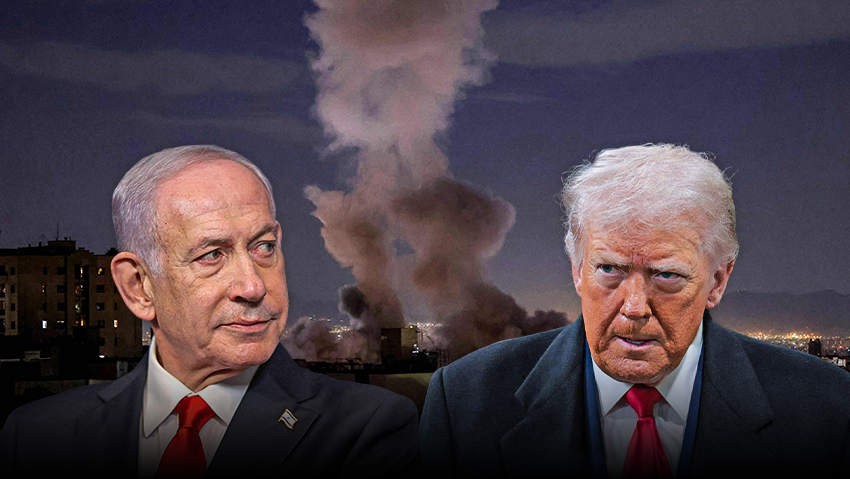
Shortly afterward, Netanyahu said that in light of repeated appeals from Lebanon to open direct talks with Israel, he had instructed the Cabinet on Wednesday to begin such negotiations as soon as possible. “The talks will focus on disarming Hezbollah and establishing peaceful relations between Israel and Lebanon,” he said. “Israel welcomes the Lebanese prime minister’s call today to demilitarize Beirut.”
German Chancellor Friedrich Merz joined the criticism later Thursday, warning that the severity of Israel’s strikes in Lebanon could jeopardize the entire peace process and must not be allowed to do so. Merz said he and others had urged Israel a day earlier to end its intensified strikes and that his foreign minister had spoken twice with Israeli Foreign Minister Gideon Sa'ar. The chancellor added that he had also spoken with Trump and said Germany wanted to resume its own talks with Tehran to “contribute to peace negotiations.”
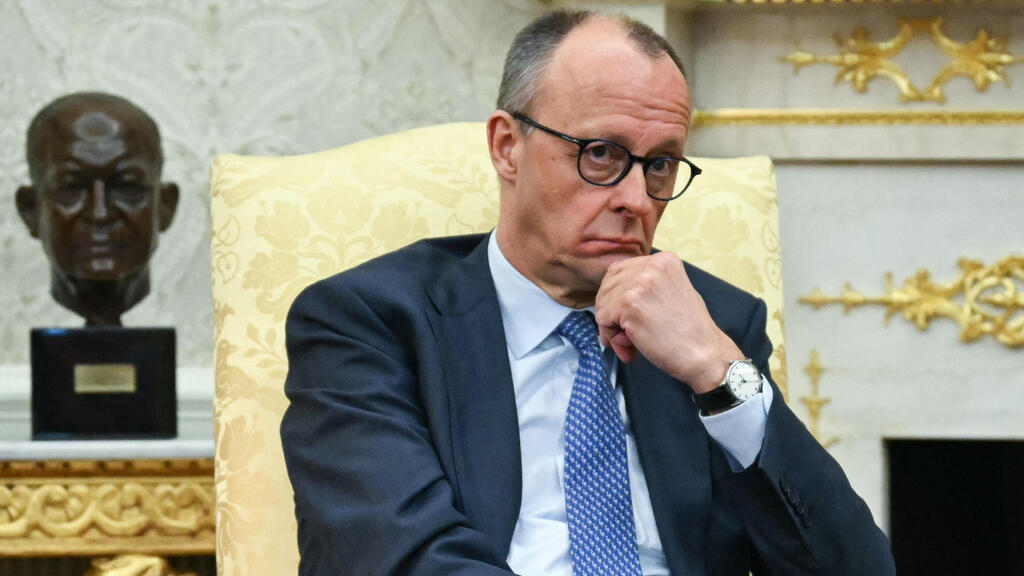
German Chancellor Friedrich Merz
(Photo: ANDREW CABALLERO-REYNOLDS / AFP)
Shortly afterward, Austria — one of Israel’s closest allies in Europe — stated explicitly that “Israel must immediately cease its attacks on infrastructure and civilian targets in Lebanon.” In a statement, Austria’s Foreign Ministry also stressed the need to protect 160 Austrian soldiers deployed there as part of the U.N. peacekeeping force, UNIFIL.
Vienna said it was “deeply concerned about the conflict between Israel and Hezbollah” and about the “humanitarian disaster, including more than 1 million displaced people. The protection of civilians and of Austrian soldiers serving in UNIFIL is our top priority.” The ministry did not call for extending the U.S.-Iran ceasefire to Lebanon, but rather for a return to the Israel-Hezbollah ceasefire declared in November 2024.

Italian Prime Minister Giorgia Meloni
(Photo: REUTERS/Remo Casilli)
The mounting pressure came after Lebanon reported that 182 people were killed and 890 wounded in Israeli strikes across the country on Wednesday, in what has been dubbed Operation "Eternal Darkness.” Israel said the operation targeted numerous Hezbollah command centers and killed many of the group’s commanders.
Even before the statements by Germany and Austria, French President Emmanuel Macron condemned what he described as Israel’s “indiscriminate” attacks in Lebanon, saying they pose a “direct threat” to maintaining the ceasefire. In recent weeks, Macron has repeatedly criticized the Israel Defense Forces’ entry into southern Lebanon and has called on Israel to withdraw and cease fire.
Britain’s foreign secretary, Yvette Cooper, said Thursday morning that Israel’s strikes in Lebanon are causing “deep harm” and that the United Kingdom “wants to see Lebanon included in the ceasefire.” Spanish Prime Minister Pedro Sánchez, one of Israel’s harshest critics among European Union leaders, also called for Lebanon to be included in the ceasefire and said Netanyahu’s “disregard for human life and international law is intolerable.”
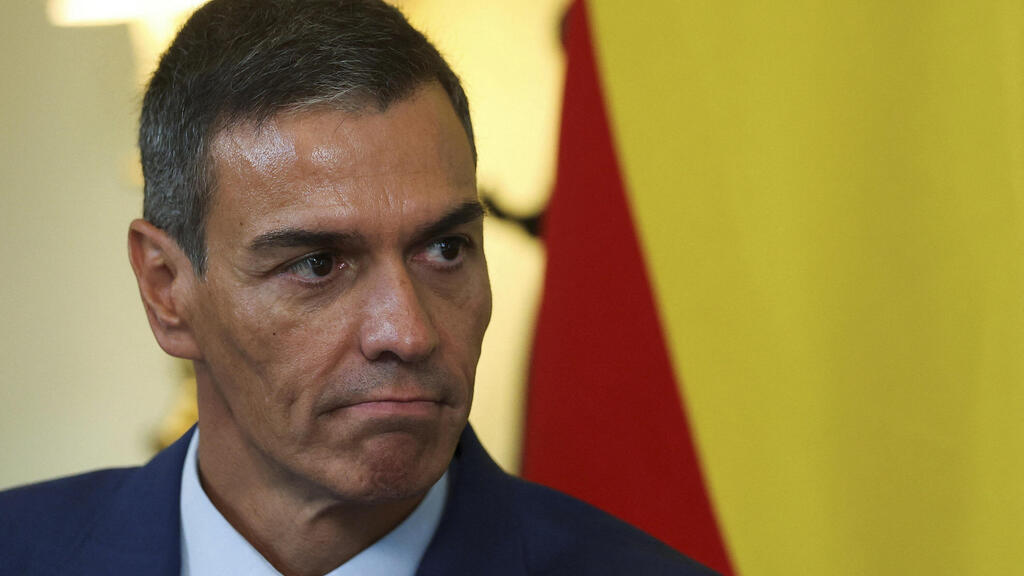
Spanish Prime Minister Pedro Sánchez
(Photo: Toby Melville/Pool Photo via AP)
Italian Foreign Minister Antonio Tajani, whose government under Prime Minister Giorgia Meloni was until recently considered a relatively close ally of Israel but has grown more critical, said he had spoken with Lebanese President Joseph Aoun to express solidarity with his people in light of what he called “unjustified and unacceptable attacks.” He added that Italy’s Foreign Ministry had summoned Israel’s ambassador for talks, saying, “We want to avoid a situation where there is another Gaza.” Italy’s embassy in Beirut said, “Striking densely populated areas and sowing death among civilians is a violation of every principle of international humanitarian law.”