


President Donald Trump's announcement Tuesday that the United States will end its $3.8 billion in annual military assistance to Israel beginning next year could force the Israeli defense establishment to reconsider major weapons purchases, missile defense development and long-term military spending plans.
Speaking to Fox News, Trump said he had reached an agreement with Prime Minister Benjamin Netanyahu several months ago to terminate the assistance. Israel has yet to officially confirm the arrangement or explain how it would be implemented. If carried out as described, the decision would end a central pillar of U.S.-Israel defense cooperation before the current funding agreement expires in 2028.
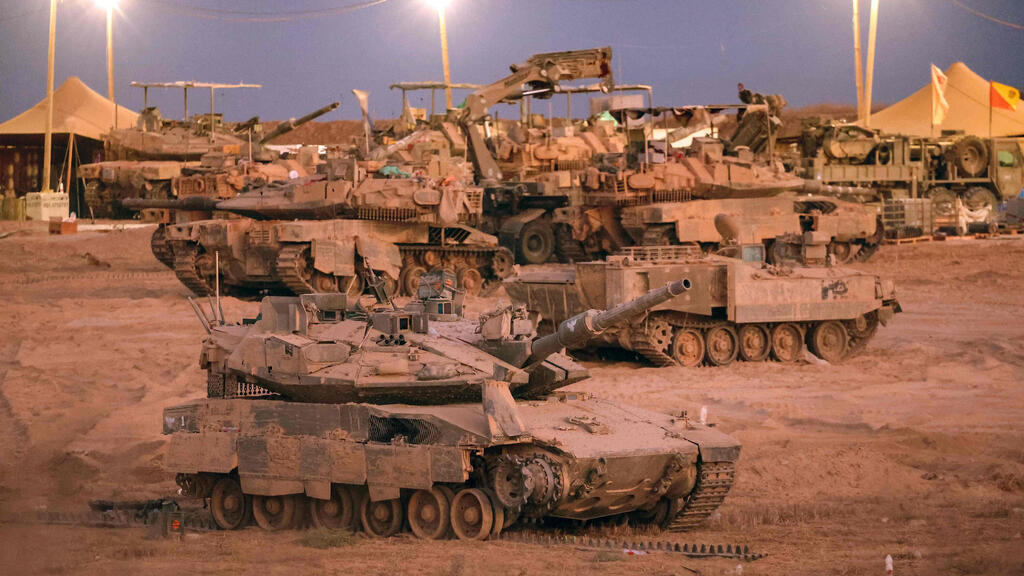
Under that agreement, Israel receives $3.8 billion annually, including approximately $3.3 billion to purchase American military equipment and another $500 million for joint missile defense programs, including Iron Dome and David's Sling.
The immediate challenge would be financial. Israel's Defense Ministry would have to find alternative funding for weapons purchases currently covered by American assistance. That could require reallocating billions of dollars from the national budget, revising procurement priorities or extending the timelines of major acquisitions.
The implications extend beyond fighter jets, ammunition and other military hardware. American funding also supports the development and production of missile defense systems, an area in which Israeli and U.S. cooperation has been particularly extensive. A sudden funding cutoff could affect both the scale and pace of these projects, depending on what arrangements replace the current agreement.
What happens if the money stops?
The IDF's long-term procurement plans rely on multiyear financial commitments, making the loss of a predictable funding source particularly difficult. Aircraft, advanced weapons systems and other equipment are acquired through programs planned years in advance, with future spending already built into defense calculations.
Israeli defense officials had anticipated a gradual reduction in American assistance, allowing the military to adjust its spending and develop alternatives. An abrupt cutoff would present a substantially greater challenge.
One option would be to continue purchasing the same American weapons using Israeli funds. Another would be to reconsider the military's force development plans, potentially placing greater emphasis on Israeli-made systems.
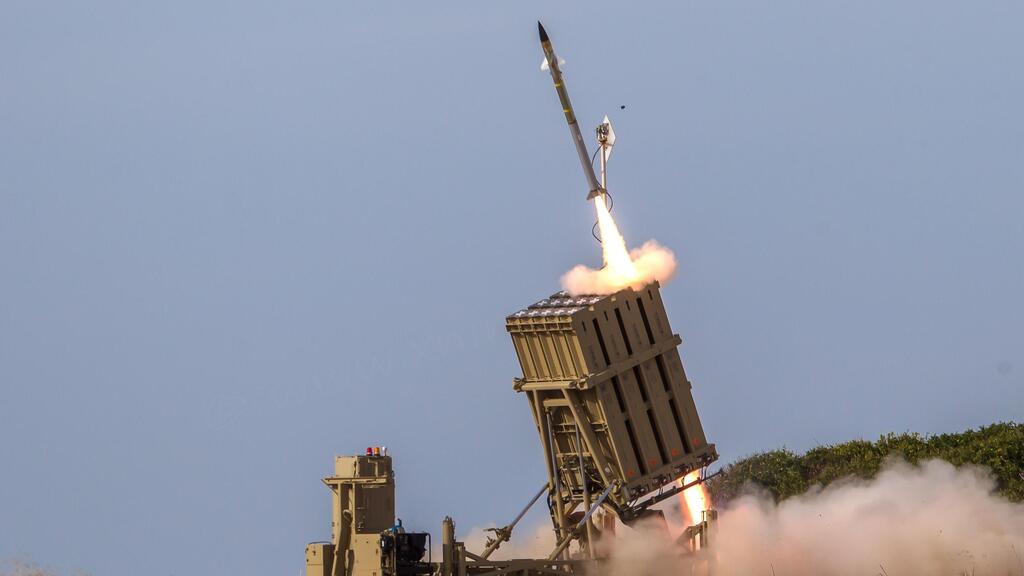
Iron Dome
(Photo: IDF)
The question of where to obtain the additional funding would be equally difficult. Israel could redistribute money within its existing defense budget, transfer funds from other government ministries or borrow more, increasing national debt. Each option would carry economic consequences.
"This will have substantial economic costs," said Dr. Avishay Ben Sasson-Gordis, head of the U.S. research program and a senior researcher at the Institute for National Security Studies (INSS). "All these decisions have implications and require thorough, systematic planning and compromises that will be painful."
Defense officials would also need to determine which future procurement deals could proceed as planned and which would require renegotiation, postponement or replacement.
A fundamental change in US-Israel defense relations
Beyond the financial consequences, ending military assistance would represent a significant change in the strategic relationship between Washington and Jerusalem. American aid has long served not only as a source of defense funding but also as a visible expression of the United States' commitment to Israel's security.
The arrangement also benefits American defense manufacturers because much of the assistance must be spent on U.S.-produced military equipment. Ending the grants would therefore change an established system that connects Israeli procurement with American industry.
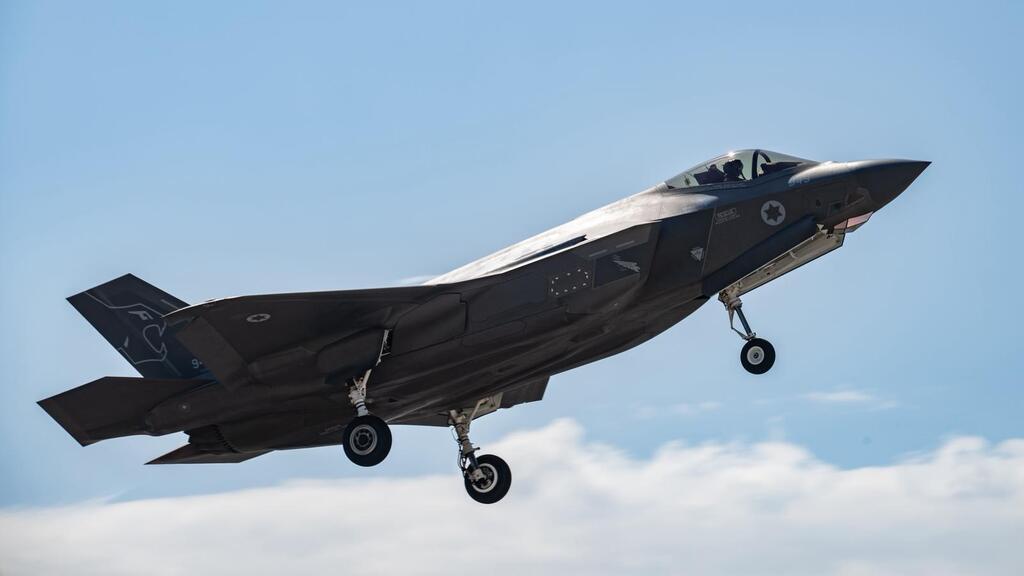
Israeli F-35I Adir fighter jet
(Photo: IDF)
Netanyahu has previously advocated gradually reducing Israel's dependence on U.S. military assistance. In July, reports indicated that he had presented American officials with a proposal to replace direct financial grants with a broader defense partnership, while strengthening domestic weapons production and preserving cooperation in other areas.
Such a transition, however, was expected to take place gradually rather than through the immediate elimination of annual funding.
Trump said the United States would continue helping Israel if assistance was needed, but provided no details about what form that support might take. It remains unclear whether existing procurement commitments and joint development programs would be protected under new arrangements.
The timing also carries diplomatic significance, particularly against the backdrop of the costly war with Iran and concerns in Washington about the financial burden of continued military involvement.
For Israel, the central question is therefore not simply how to replace $3.8 billion a year. It is whether the country's defense establishment can preserve its military capabilities, procurement schedules and cooperation with Washington while moving toward a fundamentally different financial model.