


“As a public official, it is my duty to act with transparency, proper governance and the safeguarding of public funds.” After a gag order was lifted Wednesday morning allowing publication that Ashkelon Mayor Tomer Glam is being questioned, along with others, on suspicion of stealing donated funds, bribery, fraud, breach of trust and aggravated receipt of property by fraud, City Council member and attorney Eva Totai, who exposed the alleged corruption at City Hall, addressed the affair. “The public has a right to know where every shekel went,” Totai said.
According to the suspicions being examined by Lahav 433, the Israel Police’s elite national anti-corruption unit, donation funds totaling millions of shekels that the Ashkelon municipality received from sources in Israel and abroad during the war in Gaza were transferred to the Ashkelon Foundation. From there, the funds allegedly made their way into the private pockets of Mayor Glam and his associates, including aides and department heads. Glam was released to five days of house arrest, barred from City Hall for a week and prohibited from contacting the other suspects in the case, including a family member.

Well before the investigation was opened, Council member Totai had pointed to irregularities surrounding the donations and petitioned the Beersheba District Court, demanding access to information regarding the donation process. The funds, she alleged, ultimately reached the private pockets of the suspects. Totai decided to turn to the courts after the municipality refused her requests for information, claiming that she was harming the city’s image and driving away donors.
Speaking to Ynet on Wednesday morning, she said: “With the lifting of the gag order and what can now be said regarding the mayor of Ashkelon, it is important for me to say that donations given during an emergency, out of trust and a sincere desire to help residents, are sacred funds, belonging solely to the public. The public has a right to know where every shekel went. The petition I filed with the court was not a first step, but a last resort. It was preceded by inquiries, requests for disclosure of documents and repeated attempts to obtain answers within the system, all of which were met with walls of silence. Only after exhausting all procedures did I act, through my attorney, Ron Yosef of Holon, to obtain the necessary information.”
Totai added: “I want to make it clear: this is not a political struggle, but a principled fight for transparency, public trust and clean hands. Those who undermine public trust are not those who ask questions, but those who hide answers. Throughout, I acted in full partnership with my faction chair, attorney Itay Sahar, a partner in both the path and the belief that transparency is not a choice, but a fundamental obligation of a local authority. Now that the matter is in the hands of law enforcement and legal proceedings are underway, I will continue to act responsibly, with restraint and respect for the rule of law, and will allow the authorized bodies to do their work.”
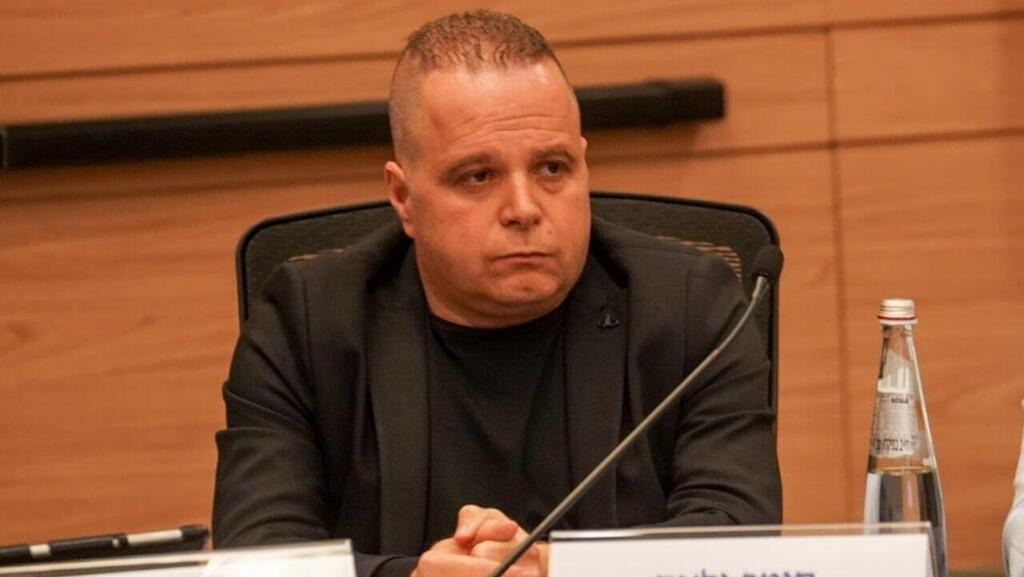
Ashkelon Mayor Tomer Glam is being questioned, along with others, on suspicion of stealing donated funds, bribery, fraud, breach of trust
(Photo: Knesset Spokesperson Danny Shem Tov)
Before filing the petition, the council member sought information about the process of receiving the donations and how they were used, after approximately 26 million shekels in donations were received since the start of the war for the welfare of city residents. Her request to review documents related to a donation of 5,514,711 shekels from KKL-JNF, the Jewish National Fund, and additional donations was denied.
Totai sought to learn what was done with the donated funds, significant portions of which were intended, among other things, to evacuate residents during the war, and filed the petition against the municipality and the Interior Ministry. The petition argued that the relevant bodies “refrained from presenting, in full transparency and as required by law, the relevant documents that could shed light on the decision-making process regarding the implementation of the donations received.”
The petition stated: “Were the funds indeed distributed according to fair criteria, free of improper motives and illegitimate interests? What emerges, apparently, is a reasonable suspicion of deliberate concealment.”
The council member repeatedly attempted to determine the fate of the funds, but officials in the office of the city’s director-general reprimanded her, claiming her actions were harming the city and its image. The municipality further alleged that “it would not be an exaggeration to say that many of them (the donors) will not stand by the city and its residents in the next emergency.”
Due to the municipality’s lack of cooperation, the council member decided to file the petition after many residents approached her seeking information. “Which residents benefited from the donations? What were the criteria for receiving the funds? Which business owners were selected to carry out work for the municipality worth hundreds of thousands of shekels, and according to what standards? Which residents received tablets? Who received hotel stays? Who enriched themselves at the expense of the donors? It is the residents’ full right to know,” she said.
At a court hearing in December, the Ashkelon Foundation, which managed the funds, agreed to transfer the information to the council member. On the basis of that agreement, the petition was withdrawn. It is possible that the struggle to obtain the information represents only a small part of the intelligence that reached the police, given Glam’s full control over the community foundation.
Were there 'warning signs'?
Were there warning signs? Data from the “Democracy Index” of the Panim movement regarding Ashkelon show that the municipality’s finance committee convened only three times in 2024. The Local Authorities Ordinance requires at least four meetings per year. The municipality’s audit committee also met only three times that year, though the law requires at least four, and the municipality’s emergency preparedness committee did not convene at all in 2024.

Rockets from Gaza during the Iron Swords War
(Photo: Amir Cohen/Reuters)
As part of the index, a local residents’ survey conducted last year among a representative sample of 400 Ashkelon residents found, among other things, that 17% said they have no trust in the municipality. Thirteen percent believed the municipality operates unprofessionally, 35.8% thought municipal employees are promoted based on managers’ personal preferences and political pressure rather than qualifications, and 40.7% said they are not at all satisfied with their ability to influence municipal decision-making on issues important to them.
Attorneys Esther Bar-Zion and Victor Ozen, who represent Glam, said in response: “The mayor of Ashkelon has been questioned by police several times, provided a full account and answered all questions directed to him. In fact, he has no connection to the allegations attributed to him. He did not take a single shekel unlawfully or illegally for himself, did not transfer funds or benefits to associates, and understands that the police must conduct an investigation. He hopes the investigation will conclude swiftly and it will become clear that this is all sound and fury, signifying nothing of substance. Despite the investigation, even these days the mayor is caring for the city and the welfare of its residents and doing everything possible for the city.”