

U.S. Secretary of State Marco Rubio said Wednesday that Israeli-Lebanese talks in Washington have included the creation of pilot zones in Lebanon where the Lebanese army would take control and secure territory before expanding to additional areas.
“One of the issues that’s been discussed in these negotiations is the creation of pilot zones — specific, defined areas where the Lebanese Armed Forces can go in, take control, and secure that territory, and then move on to the next pilot zone,” Rubio said during a visit to Kuwait.
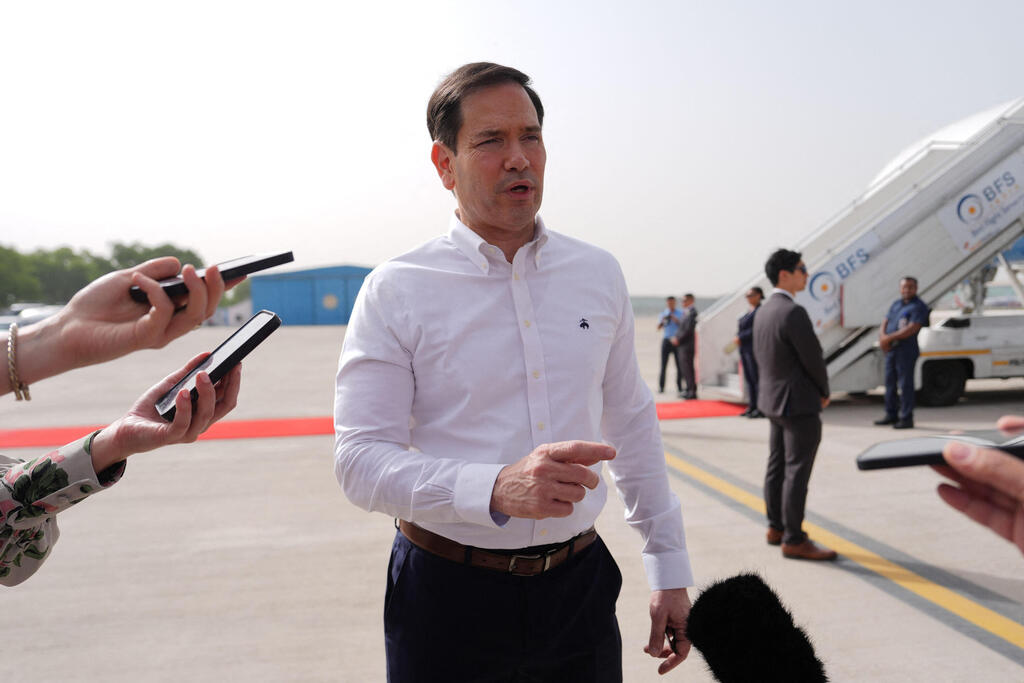
The pilot plan is intended to allow the Lebanese army to demonstrate it can make areas “free of Hezbollah.”
Adm. Brad Cooper, commander of U.S. Central Command, is expected to arrive in Israel on Thursday for talks with IDF Chief of Staff Lt. Gen. Eyal Zamir and Defense Minister Israel Katz. The discussions are expected to focus on Iran and Lebanon, including intelligence assessments, strategic coordination, threats in the region and continued cooperation between the Israeli and U.S. militaries.
Asked about Israel’s insistence on remaining inside Lebanon, Rubio said Israel was there because Hezbollah continues to launch rockets and drones from Lebanese territory.
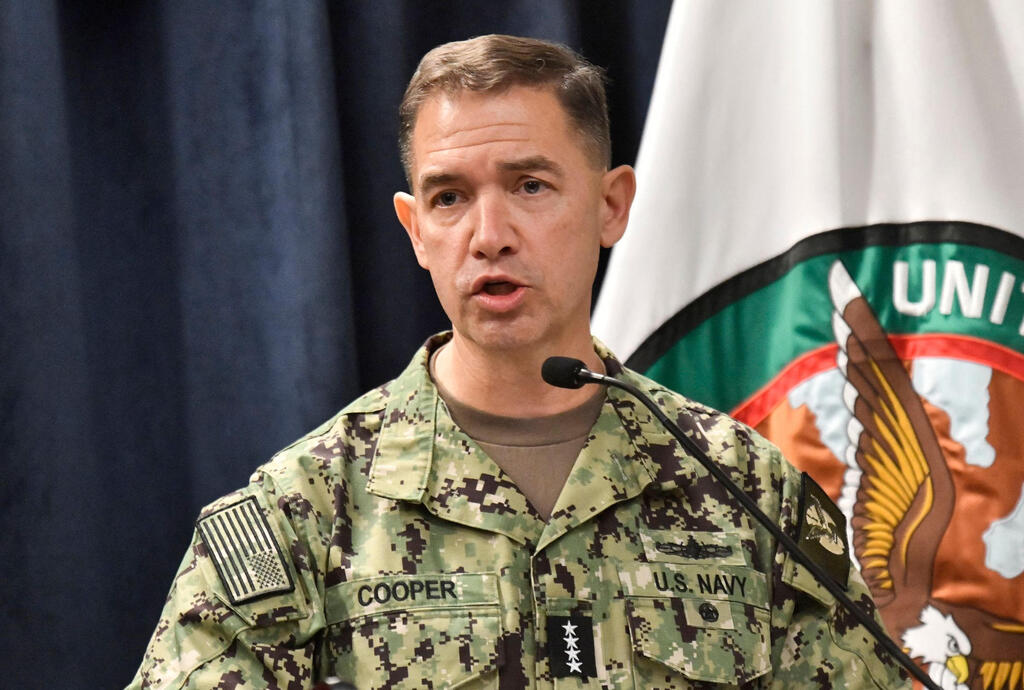
CENTCOM commander Adm. Brad Cooper
(Photo: Octavio Jones/AFP)
“That is our hope that the Lebanese armed forces and the legitimate sovereign Lebanese government will continue to be able to control and secure more and more of their own territory, because that's who needs to control Lebanese territory, not a terrorist group like Hezbollah,” Rubio said.
Rubio said Israel had made clear it had no conflict with the Lebanese people and no claim to Lebanese territory.
“The more of that area that the Lebanese armed forces is able to secure, the less of it is in Hezbollah’s control, the less Israel will be in Lebanon,” he said. “But that’s the process we’re working to right now with these talks.”
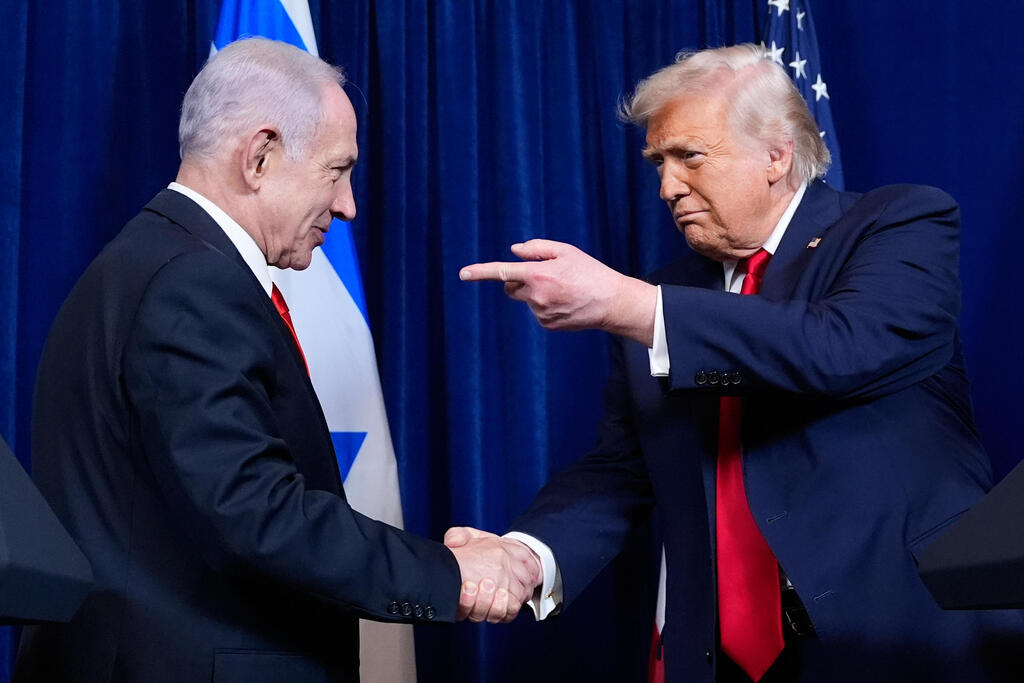
Prime Minister Benjamin Netanyahu and US President Donald Trump
(Photo: AP Photo/Alex Brandon)
At a Security Cabinet meeting last week, Prime Minister Benjamin Netanyahu said he told U.S. President Donald Trump that Israel was doing what Trump would do to defend his own citizens. Netanyahu said he had outlined Israel’s red lines on Lebanon, including remaining on Beaufort Ridge and striking back if attacked.
During the meeting, Netanyahu left twice for calls with U.S. officials, including one lengthy conversation with Trump.
National Security Council head Shmuel Ben Ezra told ministers that Netanyahu was balancing Israel’s interests with preserving ties with the U.S. administration.
He said the prime minister was handling several issues with Washington: maintaining Israel’s line in Lebanon, coordination with the U.S. on strikes against Hezbollah if it violates the ceasefire, Israel’s response if Iran attacks and Israel’s response toward Lebanon. Ben Ezra said another issue was preventing any uranium enrichment in Iran.