


An IDF soldier was seriously wounded Monday by an explosive-laden first-person-view (FPV) drone during operational activity in southern Lebanon, while another soldier was lightly wounded, the military said. The troops were evacuated to a hospital for medical treatment, and their families were notified.
The IDF said the incident constituted a violation of the ceasefire understandings by the Hezbollah terrorist organization.
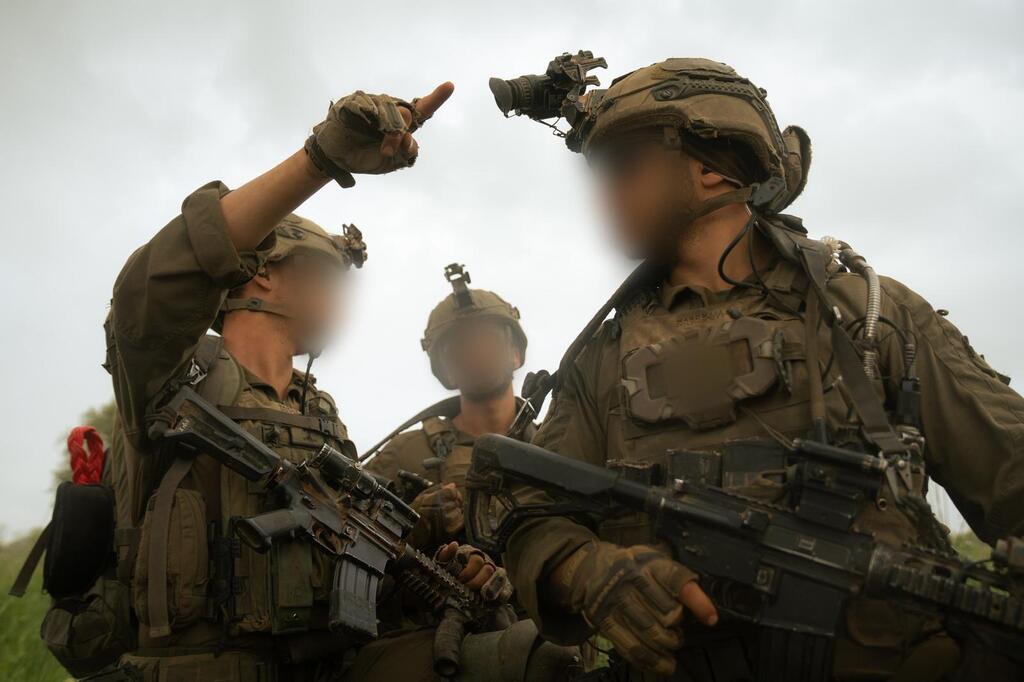
(Photo: IDF)
Hezbollah has significantly upgraded its drone capabilities during the current campaign and has frequently used them to attack IDF forces in southern Lebanon. The drones are relatively inexpensive, making them preferable for the terrorist group over long-range missiles or RPG launchers.
The drones are modified and upgraded in workshops in southern Lebanon, where terrorists add components such as skids, cameras and explosives. But the key upgrade is an innovation imported from the Ukrainian front: the drone is physically connected by fiber-optic cable directly to the control room where its operator is located.
The cable can stretch about 10 kilometers, allowing the drone to effectively reach distant targets without IDF electronic warfare troops being able to detect and down it.
Because of restrictions imposed on IDF ground forces and the Air Force, Hezbollah terrorists enjoy freedom of action in Lebanon’s rear areas, enabling them to launch deadly fiber-optic drones with little interference.
One way IDF troops deal with such drones is by firing at them with personal weapons, as happened during a drone attack on an IDF helicopter dispatched for an evacuation mission in the area where Armored Corps soldier Sgt. Idan Fooks was killed and six others were wounded, including an officer and three soldiers in serious condition.
Drone strike near IDF soldiers in south Lebanon


After Sgt. Fox and the six soldiers were wounded by a drone strike, two additional FPV drones were launched toward the forces. One was intercepted, while the second exploded just meters from the helicopter as it evacuated the wounded.
The IDF has tried to down the drones using technological means, which failed in that incident, forcing soldiers to fire heavily at the drones in an effort to bring them down before one struck the helicopter. The Defense Ministry recently issued a call for proposals to find solutions for intercepting FPV drones.
Hezbollah imported the fiber-optic drones from the Ukrainian front. Over four years of fighting, Russia and Ukraine have searched for inexpensive weapons to make the battlefield more efficient and have refined the use of these drones. Moscow and Kyiv use them both to strike the enemy and for intelligence missions, including photographing enemy territory.
Ukraine’s defense minister, Mykhailo Fedorov, who took office several months ago, addressed Ukraine’s use of fiber-optic drones, saying: “These drones are now a key component of our ability to defeat the enemy. They are effective against electronic warfare and help destroy targets at ranges where other solutions are ineffective.”
Ukrainian military intelligence chief Kyrylo Budanov was asked last year about the quality of the drones and said: “They are essentially based on Soviet weapons from the 1970s, but there is nothing wrong with using old weapons effectively. The only problem is if the drone encounters an obstacle such as a large bush, and then the fiber is torn.”