


Military officials said Wednesday they were seeing signs of declining motivation within parts of Iran’s security establishment after almost two weeks of fighting, with one military official saying the regime’s forces were no longer operating like a coordinated army and were showing growing gaps between commanders and operational units.
“It is important to understand that Iran is a huge country. There are many commands. Some fire more and some fire less, and we are seeing the decline in motivation,” the official said. “There are still many military industries left to strike, but the regime’s ability to carry out offensive operations as an army has been dramatically damaged.”
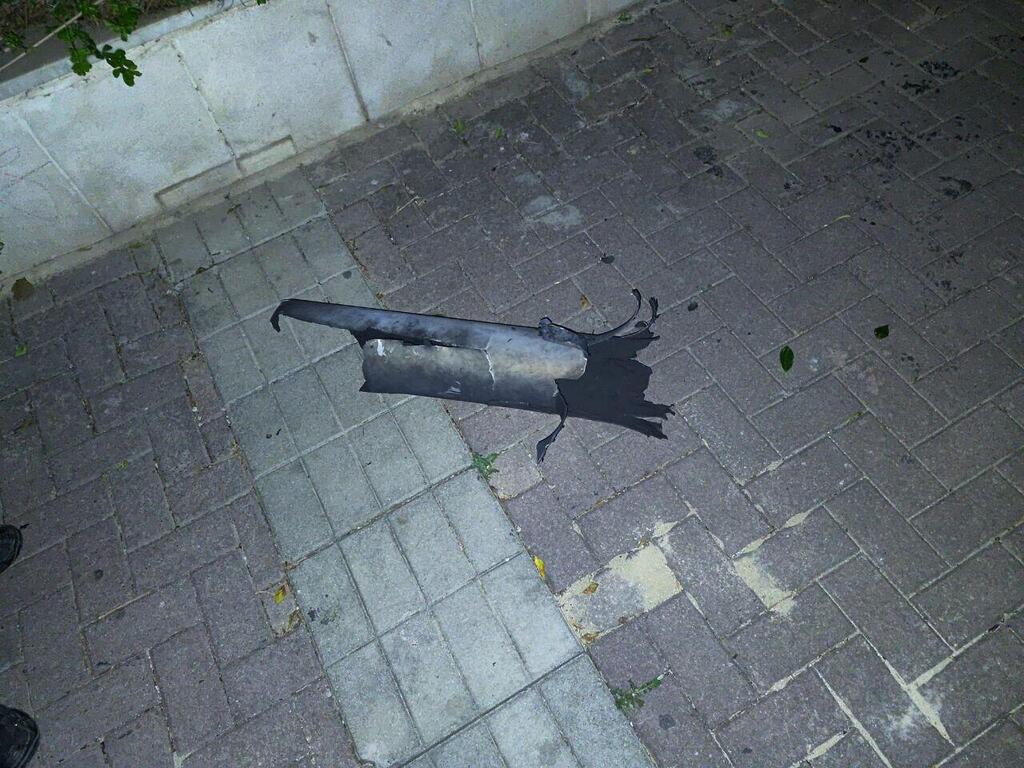
Precise launch figures remain under military censorship, but the assessment in Israel is that about 250 missiles have been fired since the start of the operation, far fewer than in last year's Operation Rising Lion, when roughly 500 missiles were launched over a comparable period, according to the official. Officials said they were not convinced the reduced rate of fire reflected a deliberate strategy by Iran.
The Israeli Air Force, meanwhile, has struck far more targets than in the previous campaign, according to military figures. In the earlier operation, about 900 targets were hit over 12 days. In the current Operation Roaring Lion, the number has already reached about 3,400, the military said.
The scale of munitions used, senior figures killed and sorties flown into Iran has also risen sharply, according to the military. About 3,700 munitions were dropped in June during the earlier operation, compared with more than 10,000 so far in the current one. The air force has carried out about 4,200 sorties into Iran in the current campaign, compared with 1,500 in the previous operation, and has killed about 40 senior officials so far, compared with 30 in Operation Rising Lion, the military said.
In the coming days, the military said it would continue striking Iran’s military industries and expand the campaign to additional areas. Alongside military-industrial targets, Israel said it has also been hitting headquarters of the Basij, the regime’s volunteer militia.
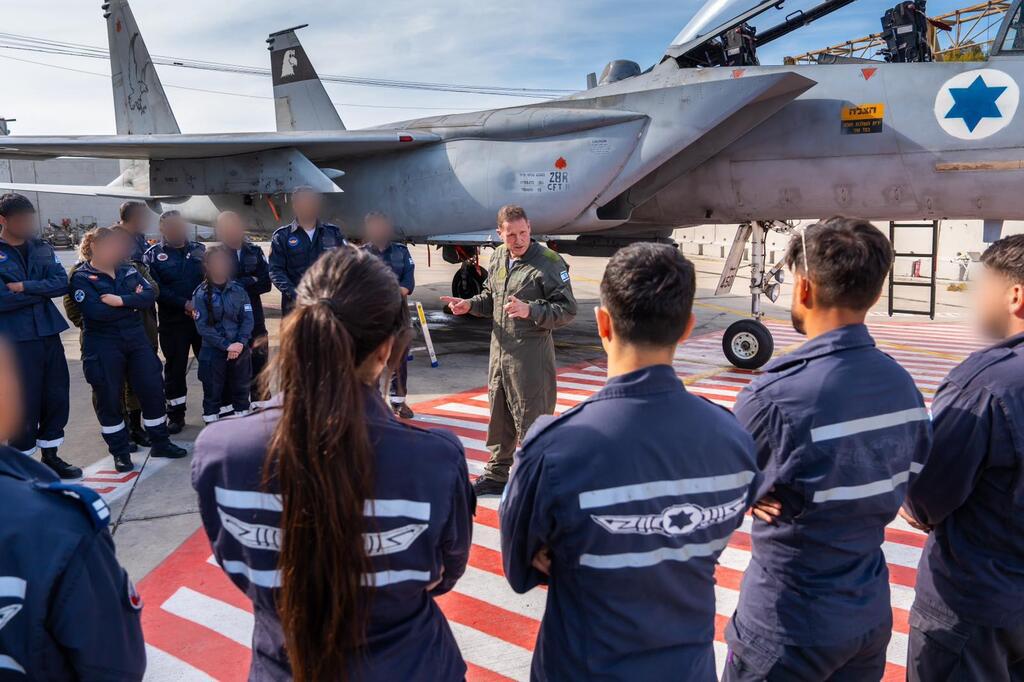
Israeli Air Force Commander Maj. Gen. Tomer Bar on the Tel Nof Air Base
(Photo: IDF)
According to the military, those attacks are intended in part to weaken the regime’s internal security structure and foster a sense among its opponents that they could eventually challenge it in the streets once the war ends. Officials say the strikes on domestic security headquarters are undermining the foundations of the regime and showing Iranian civilians that it is not as strong as they may have believed.
Another major air force effort has centered on hunting launchers used to fire missiles at Israel and Gulf states. “Obviously, it is impossible to reduce launches to zero, but there is a cumulative achievement here that includes damage to infrastructure, production plants and launchers, and that is bringing the Iranians down to very low launch numbers,” a military official said.
Earlier Wednesday, the IDF’s Persian-language spokesman said Iran had begun launching missiles from populated civilian areas, a practice Israel said was more characteristic of terrorist groups than a state military.
“The terrorist regime of the Islamic Republic launches missiles and drones from densely populated civilian areas, thereby endangering Iran’s citizens,” the statement said. “These actions deliberately and directly put Iranian civilians in danger, both when the launchers are used and when they are destroyed by the Israeli Air Force.”