


On October 6, 2023, after 21 consecutive days on base, Gleb and his soldiers headed home for the weekend. The next day, just two days before he was due to begin his pre-discharge leave, his phone rang. It was his commanding officer: "Get here."
Three years later, Gleb has never really left military life behind. Although he officially completed his mandatory service in December 2023, he has since been called up for six rounds of reserve duty. His next deployment is already scheduled for January.
Gallery
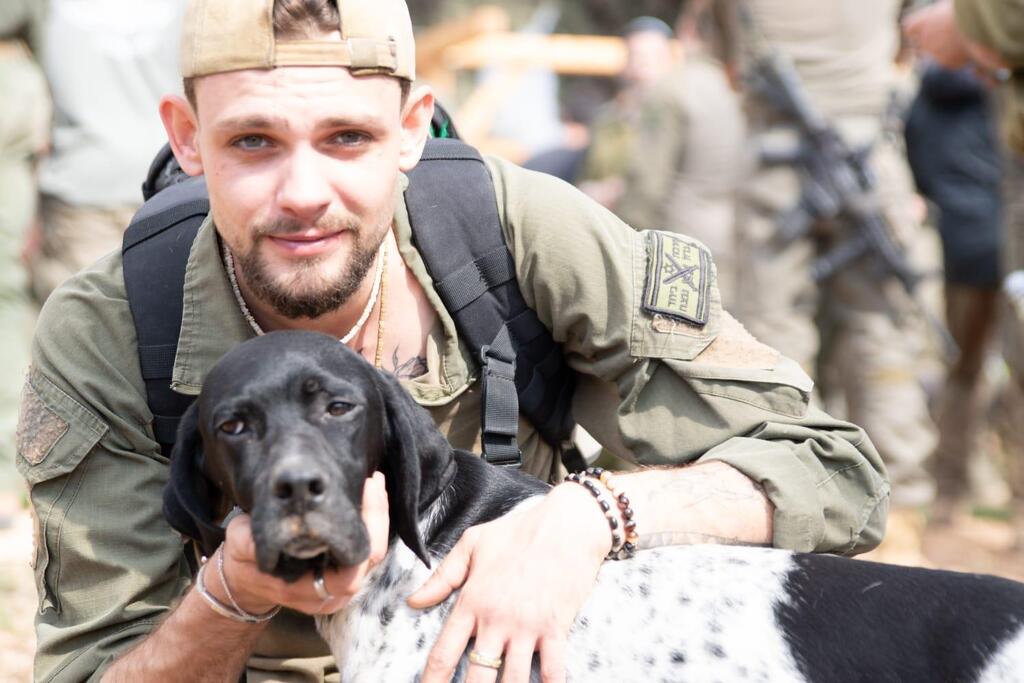
Gleb: 'I avoided starting school, taking a new job or getting involved in a project because I knew I'd be called back to reserve duty'
(Photo: Courtesy)
Noam, who completed his mandatory service almost a year after Gleb, has also been caught in the same cycle. He has already served more than 260 days in the reserves.
Both belong to a generation of young combat soldiers caught between military service and civilian life. They were discharged in the midst of the longest war in Israel's history, with no smooth transition or period of respite. As the reserve system struggles under an unprecedented burden, they are repeatedly called back to fight in the north and south, while their education, careers and personal lives remain on hold.
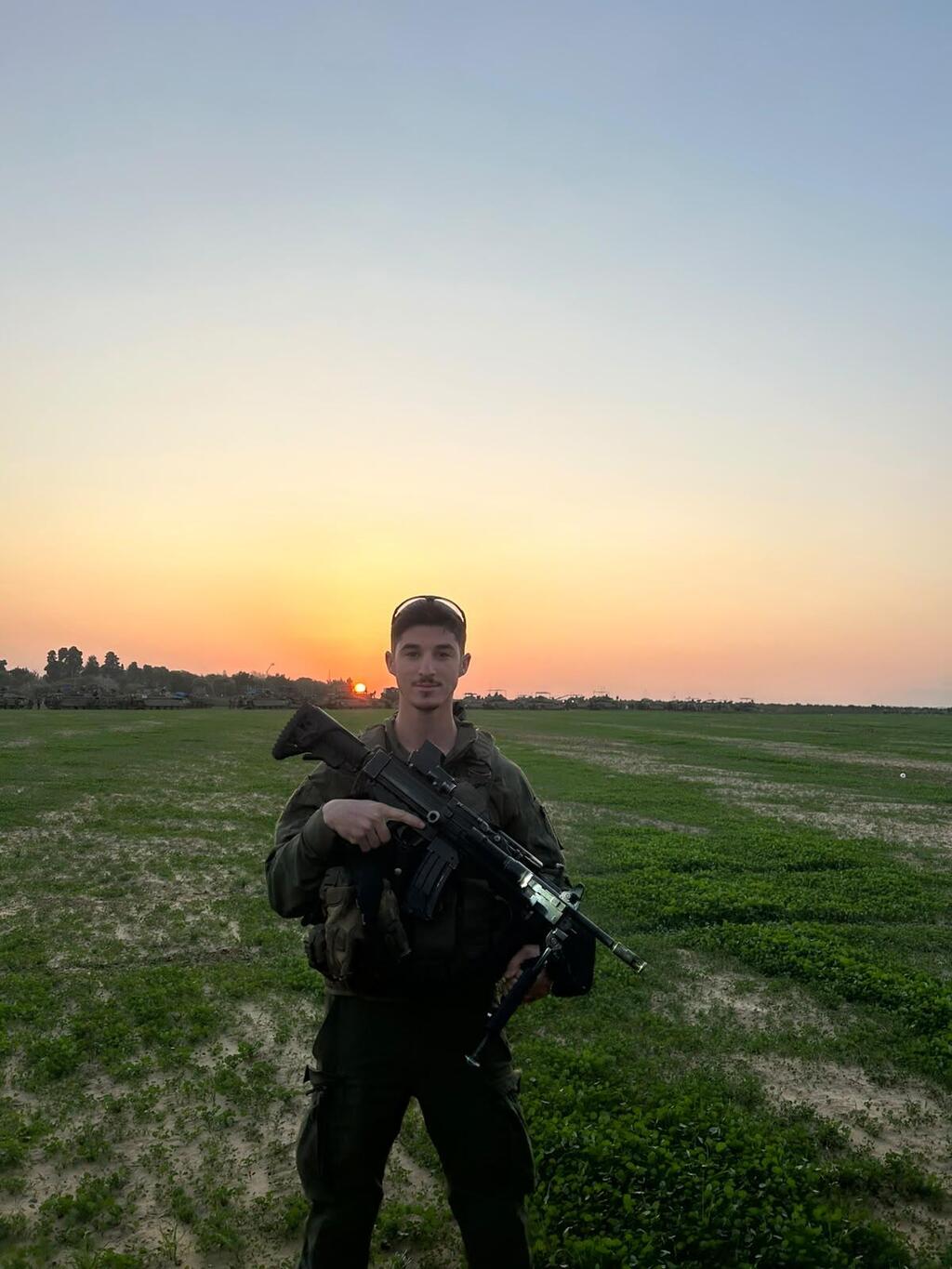
Noam: 'Combat soldiers think they'll be welcomed with a red carpet when they leave the military'
(Photo: Courtesy)
The two discussed the friends they have lost, the psychological toll they continue to endure and a discharge that exists largely on paper.
"I avoided starting school, taking a new job or getting involved in a project because I knew I'd be called back to reserve duty," Gleb says. "So why even start?"
'A zombie horror movie'
The two men came to the military from different backgrounds. Noam gave up a potential career as a professional soccer player and consulted his rabbi and father before enlisting. "We concluded that I would find a way to combine military service with my religious lifestyle." In March 2022, he enlisted in the Givati Brigade's Tomer Company, a unit for ultra-Orthodox soldiers.
Gleb enlisted a year earlier, in March 2021, joining the Paratroopers Brigade. He completed his mandatory service as a commander in the combat platoon at Havat Hashomer, an IDF training base. "I started my military journey at Havat Hashomer, so I went back there to come full circle," he explains.
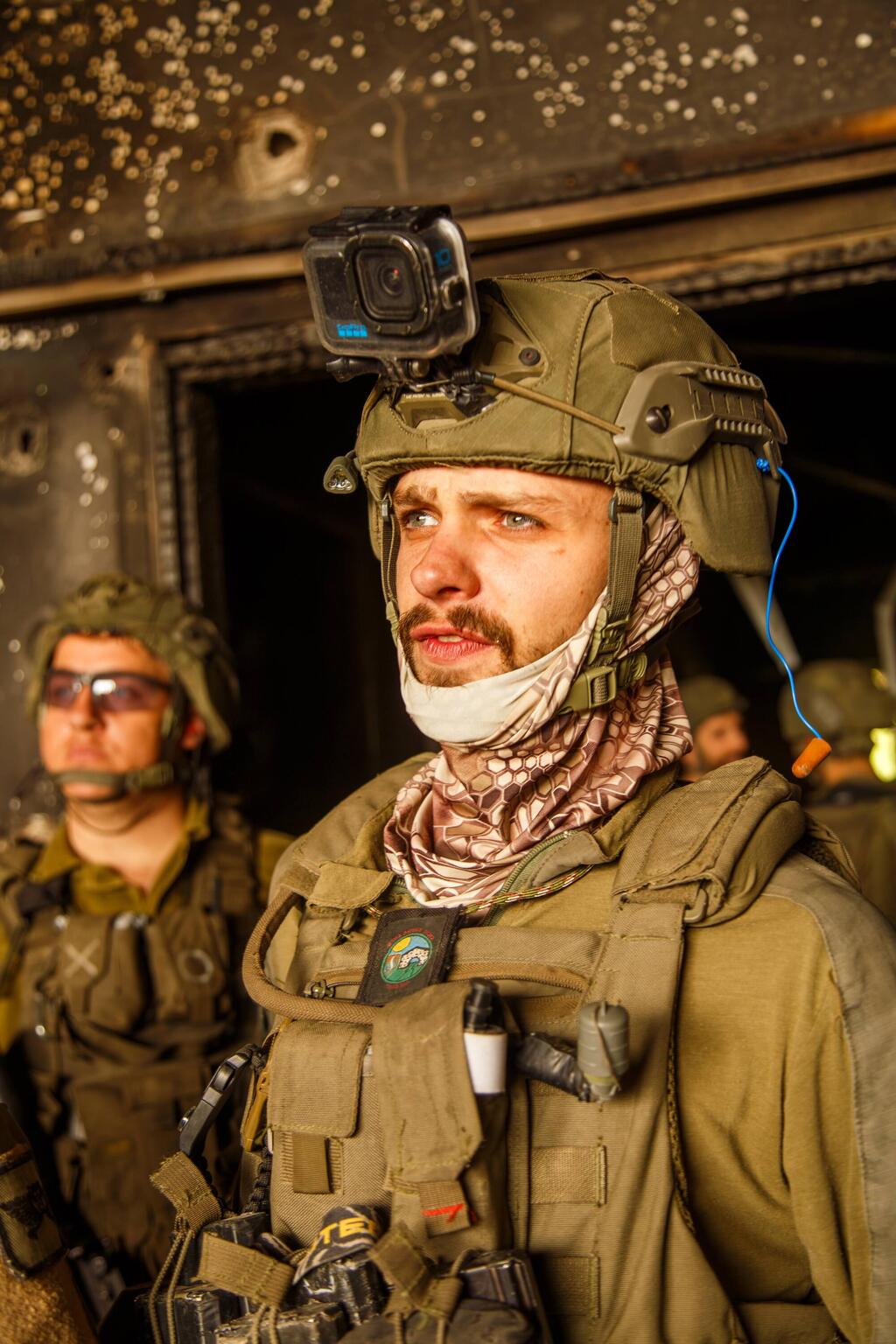
Gleb: 'The first week was one shock after another'
(Photo: Courtesy)
After receiving that phone call, Gleb rushed to his base to collect equipment, then headed to the Jordan Valley to prepare his battalion.
"We stocked up on as much ammunition and water as we could, then headed into the unknown," he recalls.
From the Jordan Valley, his unit was sent directly south to Kfar Aza, Be'eri and Sderot.
"It was a shock," Gleb says. "The roads around Gaza looked like something out of a zombie horror movie. It was hard to believe this was happening, especially here, in our own home.
"The first week was one shock after another, mission after mission, and we still hadn't grasped the magnitude of what had happened. Then we started hearing about the soldiers killed in our battalion, in our team. The first friends we had lost. Only then did we understand that we were going to war and that we would be entering Gaza. This wasn't an operation in Nablus or a firefight in a refugee camp. This was about taking back control."
Noam: "Say you start studying. Then what? Before you know it, you're back in Lebanon with no reception, trying to connect to Zoom and falling behind. It just won't work."
Noam and his team were training at the Tsnobar military outpost in northern Israel on Oct. 7, where they were serving as the area's quick-reaction force.
"You don't even feel like you're part of what's happening. You're in shock," he recalls.
He describes how, the moment they learned of the attack on the Gaza border communities, the commanders and soldiers quickly gathered their equipment and boarded buses that took them south, to the front lines.
In those early days, when the full picture was still unclear, devastating messages began appearing in their WhatsApp groups.
"One of the guys I went through basic training with wrote, ‘Our unit is gone. Our team is gone.’" Noam says. "You read that and can't process the fact that it's happening so close to you."
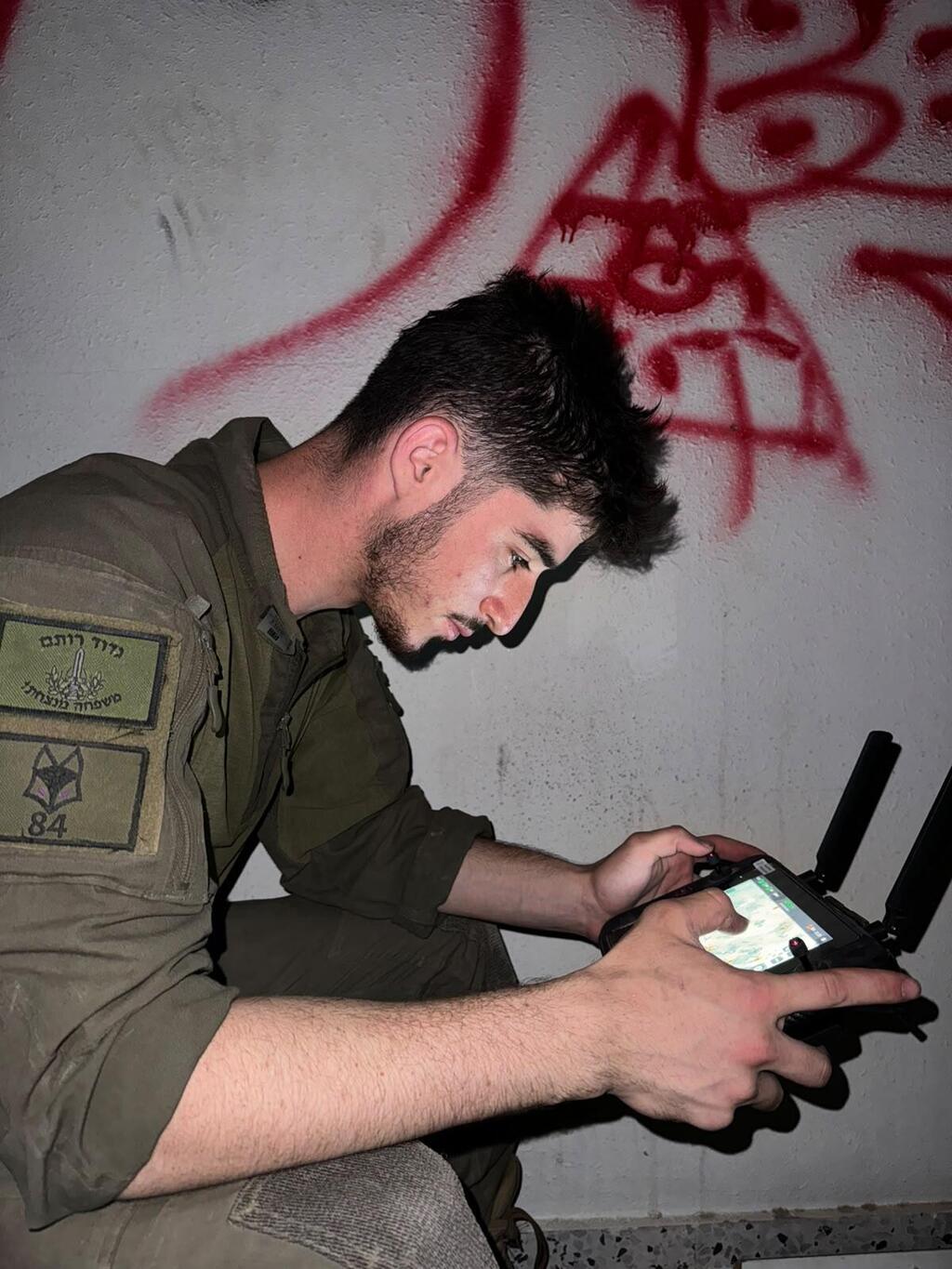
Noam in Gaza: 'You read the messages from the guys on WhatsApp and can't process the fact that it's happening so close to you'
(Photo: Courtesy)
Discharged from the military, called straight back to the reserves
The war made it clear to both men that completing their mandatory service was far from the end of their military obligations.
Gleb's mandatory service was extended by three months. Just six months after it ended, he was called up for his first reserve deployment.
"You never get your reserve call-up notice six weeks in advance, the way you're supposed to," Gleb says. "It's always just a few days beforehand. Once, I got a message from one of my officers at 4:30 a.m.: 'Report to the base in the north on Friday. We're entering Lebanon on Sunday.'"
Noam was discharged in November 2024, and just a month later he was back in uniform.
"The soldier I trained to replace me was killed," he says. "At that moment, I realized I had to find a way to go back and train someone else. I returned to my unit as a reservist, and this time I trained five soldiers instead of one."
Another emergency reserve call-up order, known in Israel as a Tzav 8, is already awaiting him in November.
For both men, every attempt to build a civilian life has been thwarted by the knowledge that another call-up is just around the corner.
"It's constant exhaustion, a steady downward spiral," Noam says. "You remain in the same place you were when you were discharged, living from one deployment to the next. In between, you start thinking about civilian life and realize it's not really possible.
"Say you start studying. Then what? Before you know it, you're back in Lebanon with no reception, trying to connect to Zoom and falling behind. It just won't work."
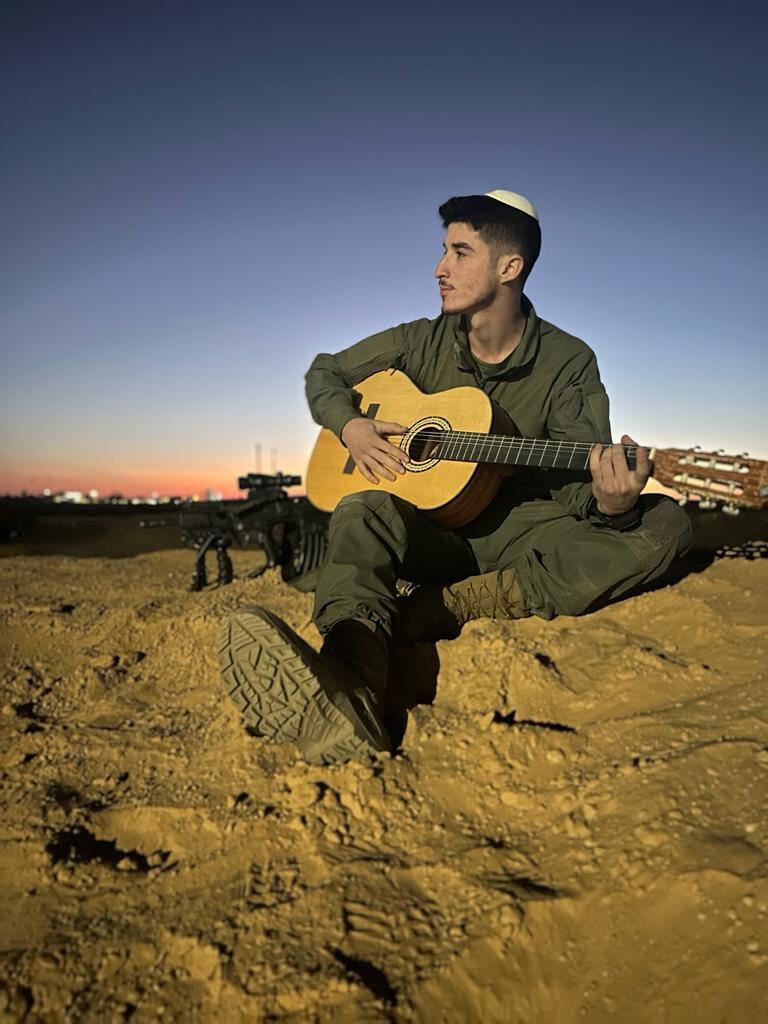
Noam during reserve duty: 'You start thinking about civilian life and realize it's not really possible'
(Photo: Courtesy)
He was forced to postpone plans to improve his high school exam scores and register for the psychometric exam, Israel's standardized test for university admission, after realizing he would be called up for another deployment midway through his first semester.
"Since my discharge, for two years and eight months now, I've been stuck in the same place: working in security, going on a reserve deployment, returning to security work and then another deployment," Gleb says.
"There's this feeling of being stuck that affects almost everything. I avoided starting school, taking a new job or getting involved in a project because I knew I'd be called up for reserve duty and wouldn't really be able to devote myself to it. So why even start?"
'Everyone I know is struggling emotionally'
But the deepest wounds do not appear on a resume, and recognizing the need to address them is only half the battle.
"There's a huge and difficult gap between understanding what needs to be done and actually doing it," Gleb says. "I realized during the first months of the war that I would need to process what I'd been through, but I didn't actually start until six months after completing my mandatory service."
Members of his team organized their own sessions to process their experiences. Every two or three days, they would sit together without professional guidance, simply to make sure no one was left behind.
"It gives me the feeling that I'm not alone. There are difficult moments, and I know who to turn to. My friends always keep an eye on anyone who's struggling, and I do the same."
Gleb: "The state and the Defense Ministry must pay much more attention to the mental health of discharged combat soldiers because what's being done today simply isn't enough. Everyone close to me has been affected psychologically."
But not everyone can talk about their distress or ask for help, and in the most extreme cases, the consequences can be devastating.
"When you don't process what you've been through, it can reach the point where a combat soldier takes his own life," Gleb warns.
"Sadly, I lost one of my soldiers and a friend who couldn't cope with what they'd been through. May his memory be a blessing. That's the price of failing to address these issues. The state and the Defense Ministry must pay much more attention to the mental health of discharged combat soldiers because what's being done today simply isn't enough.
"Everyone close to me has been affected psychologically, and there's no shame in that. We do difficult work that not everyone is willing to take on and not everyone is capable of handling. It comes at a cost, and that cost needs to be acknowledged.
"At the same time, treatment is available, and people must get help. Responsibility is shared by the state, the Defense Ministry and the military, but some of it also rests with the combat soldier himself."
Noam points to another failure: The system relies entirely on soldiers seeking help themselves.
"Some guys just can't bring themselves to ask for help. All they have are their friends, who come and sit with them, but we're not professionals. A mental health professional needs to reach out to them and provide ongoing support."
He believes friends and relatives should also be able to report when a soldier is in distress, rather than waiting until it is too late.
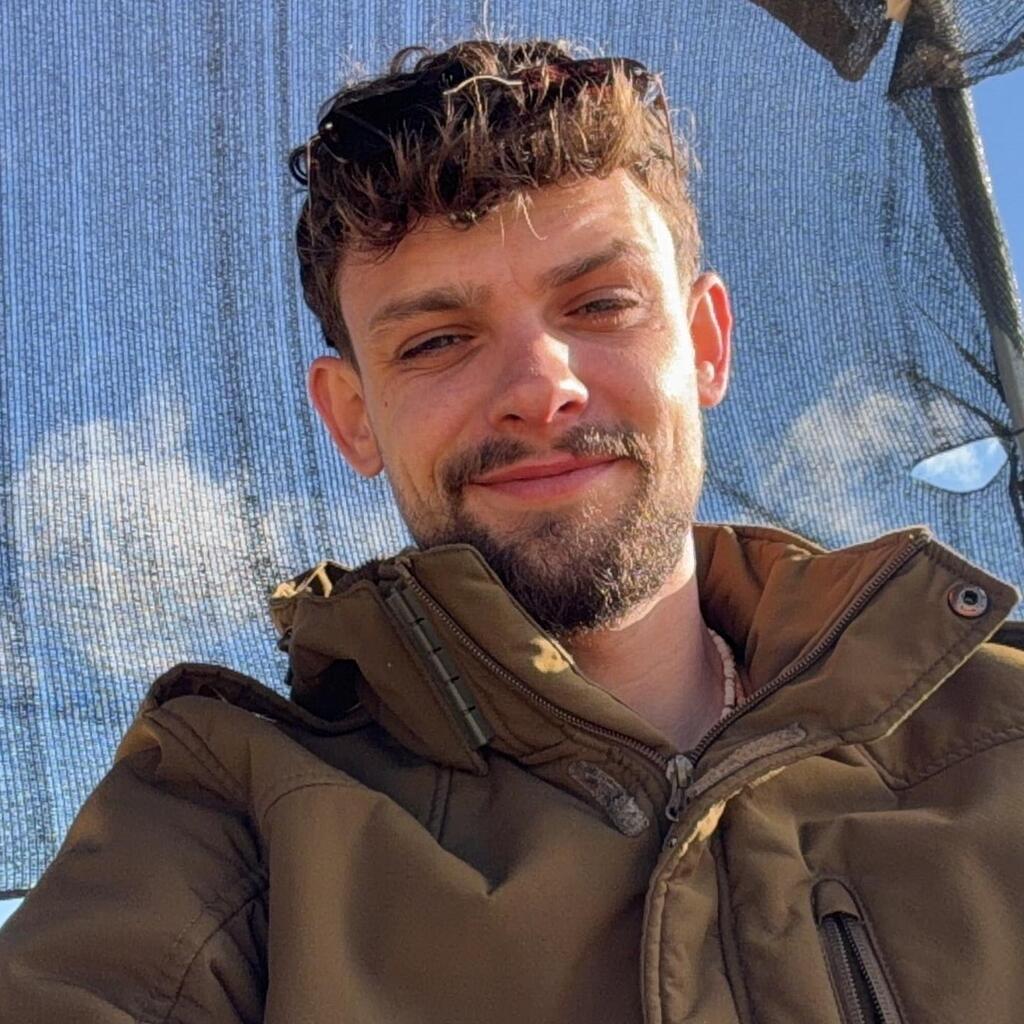
Gleb: 'Discharged combat soldiers don't have a sufficient safety net to ease their transition to civilian life'
(Photo: Courtesy)
Alongside their psychological struggles, Noam and Gleb discovered that taking their first steps into civilian life was far from straightforward.
Both turned to Gav LaLochem ("Support for the Fighter"), a nonprofit organization founded in 2019 by Oria Isaak and Itamar Israelit that has helped approximately 2,000 discharged combat soldiers to date.
Through a series of meetings, the organization provides practical tools for managing finances, entrepreneurship and career development, as well as job placement assistance, a personal mentor and access to an alumni community.
"Combat soldiers think they'll be welcomed with a red carpet when they leave the military, but that's not how it works at all," Noam says. "You get out and you're in shock. At Gav LaLochem, there are mentors who guide you every step of the way."
"That transition is critical," Gleb explains, "because discharged combat soldiers don't have a sufficient safety net to ease their transition to civilian life, something to help them make sense of civilian life, even when it comes to the simplest things."