

Iran has decided to shift its strategy in the conflict with the United States from a defensive posture to a “fully offensive” one and has given Washington several weeks to implement a memorandum of understanding between the two sides, a senior Iranian official told Reuters on Monday.
The warning marks a further escalation in Tehran’s rhetoric as a U.S. naval blockade squeezes Iran’s economy and shipping through the Strait of Hormuz has slowed to a fraction of its prewar level.
Gallery
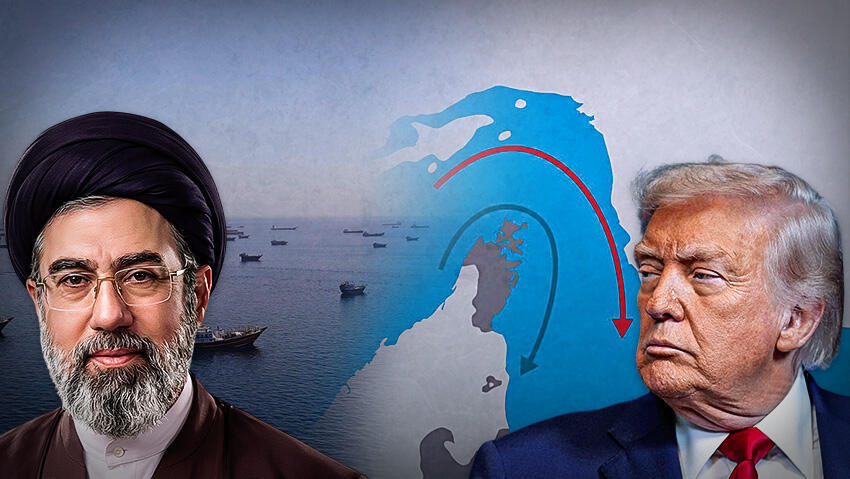
Iranian Supreme Leader Mojtaba Khamenei, US President Donald Trump
(Photo: Shutterstock, AP/Alex Brandon, REUTERS/Stringer)
The senior Iranian official said Tehran no longer considers it realistic to rely on pressure on Washington or mediation by regional countries to achieve a lasting peace.
Iran has instead set a deadline of “a few weeks” for the United States to fully implement the memorandum, the official said. The precise timetable will be conveyed to Washington and regional governments through mediators.
If diplomacy fails, “all Iranian entities” will be prepared to escalate tensions in the Strait of Hormuz and across the region, the official said, adding that Iran would not wait indefinitely while the United States maintains its naval blockade.
The comments come as Israeli officials say they are detecting signs that Iran’s hard-line leadership is preparing for a more offensive phase of the conflict, potentially targeting energy infrastructure, shipping routes and U.S. allies in an effort to increase the economic and political cost of the war.
The U.S. blockade has sharply curtailed Iran’s ability to export oil, one of its most important sources of hard currency, while damage to energy infrastructure and additional sanctions have added to the economic pressure.
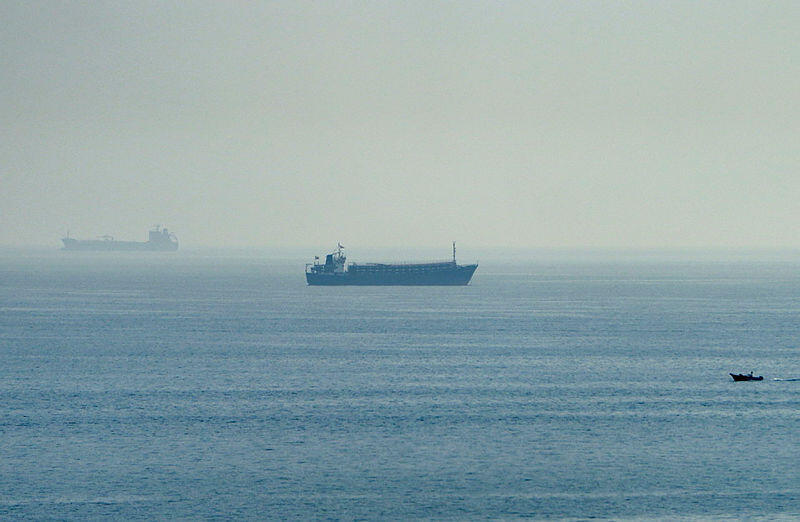
The Strait of Hormuz
(Photo: REUTERS/Stringer)
U.S. Secretary of War Pete Hegseth said last week that the Navy could maintain the blockade “indefinitely” by rotating ships through the region. Treasury Secretary Scott Bessent has also said Washington plans additional measures aimed at deepening Iran’s economic isolation.
President Donald Trump has said the United States has “total control” of the Strait of Hormuz, describing the naval operation as a “wall of steel.” Tehran, meanwhile, insists that the strategic waterway remains under Iranian control and that normal commercial traffic will not resume until Washington meets its commitments.
The strait, a narrow waterway between Iran and Oman connecting the Persian Gulf with the Gulf of Oman and Arabian Sea, is one of the world's most important energy chokepoints. Before the war, roughly one-fifth of global crude oil and liquefied natural gas shipments passed through it.
Traffic has since collapsed. Kpler ship-tracking data showed only five commodity vessels transited Hormuz on Saturday and none were recorded Sunday, compared with more than 130 ship transits a day before the U.S. and Israel launched the war against Iran in late February. Some vessels may be traveling with their tracking systems switched off and therefore would not appear in the figures.
The decline accelerated after the United Arab Emirates reported attacks on three tankers operated by the Abu Dhabi National Oil Company last week.
Iranian Foreign Minister Abbas Araghchi has said Washington must meet Tehran’s conditions before normal shipping through Hormuz can resume. He has also said Iran’s discussions with Oman concern the technical creation of new shipping lanes because the previous routes can no longer be used, rather than an agreement by Tehran to reopen the strait.
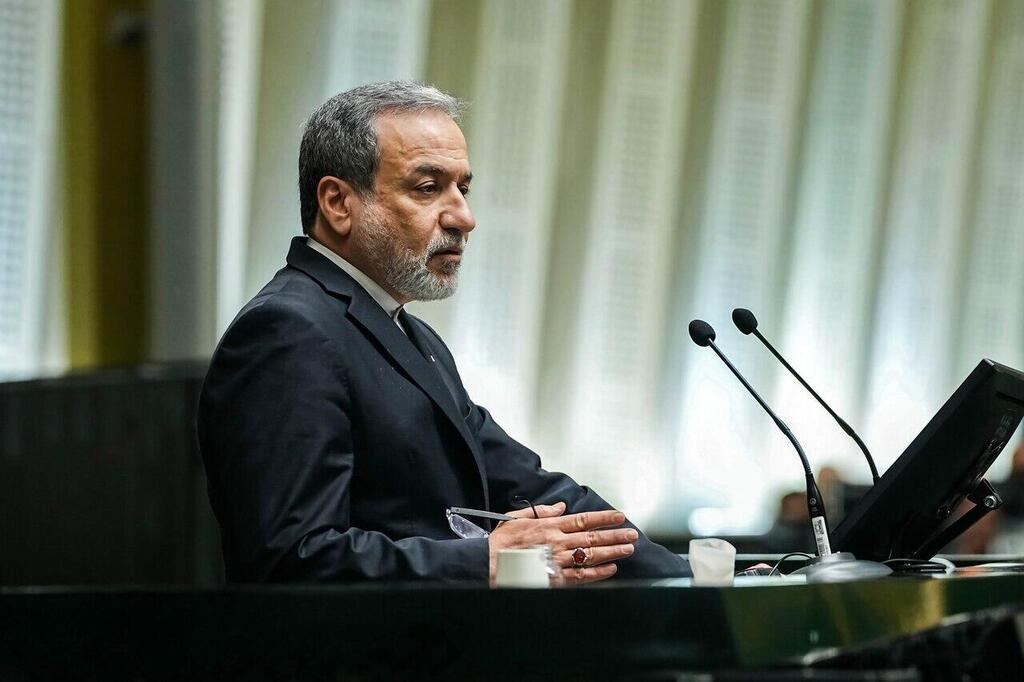
Iranian Foreign Minister Abbas Araghchi
The latest Iranian warning follows the collapse of efforts to revive an interim agreement reached in June. That memorandum was intended to end military operations and establish a timetable for both sides to fulfill their commitments, but it quickly unraveled. Trump declared the agreement “over” on July 7, and Iran subsequently suspended it.
Washington has accused Tehran of failing to reopen Hormuz. Iran, in turn, says the United States failed to lift restrictions on Iranian ports and release frozen Iranian assets as required under the agreement. Attempts by mediators to bridge the differences have made no significant progress.
The new comments about a deadline appear to sharpen Iran’s position after Foreign Ministry spokesman Esmail Baghaei on Monday disputed claims that the memorandum contained a 60-day deadline. He said Washington had failed to fulfill its obligations and that Iranian forces were ready to respond.
Araghchi similarly argued that there was no ceasefire to extend because the memorandum had ended the war before, according to Tehran, the United States violated it and fighting resumed. Qatar and Pakistan have continued exchanging messages with Tehran, he said, but Iran has not decided whether to resume direct negotiations with Washington.
Israeli officials believe the economic pressure intended to constrain Iran could itself become a catalyst for escalation.
“If Tehran concludes that the continuation of the blockade threatens the stability of the regime and its ability to finance the security apparatus and the organizations it supports, it may try to change the equation through regional escalation,” a senior Israeli official said.
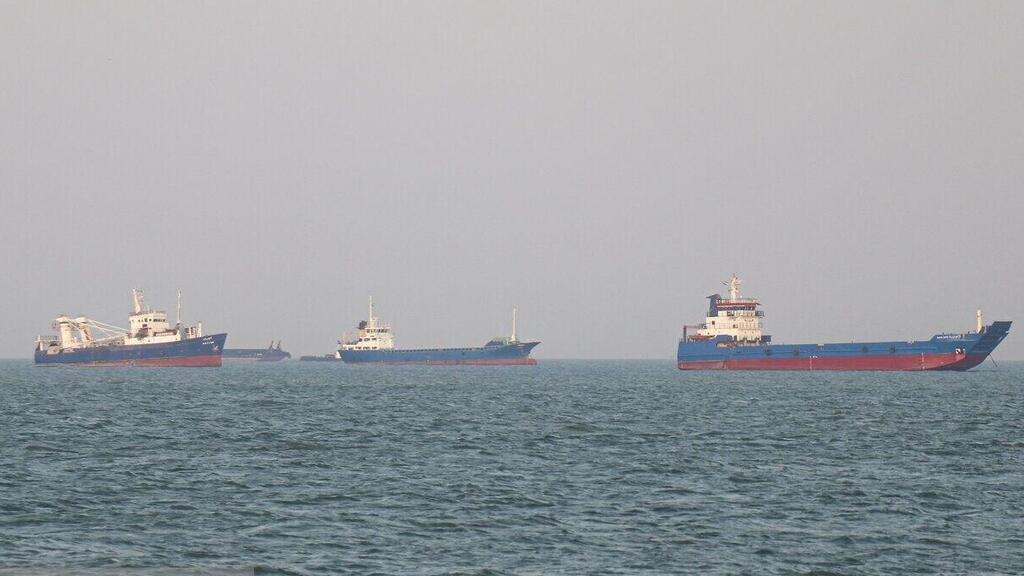
The Strait of Hormuz
Under that assessment, Iran could seek to disrupt oil and gas supplies, drive up global energy prices and increase domestic political pressure on Trump to end the conflict and return to negotiations, particularly as the United States approaches November’s midterm elections.
Israel is also monitoring Iran’s efforts to rebuild missile and drone capabilities and other military infrastructure damaged during the war. Israeli and American officials are preparing for the possibility that Tehran, rather than Washington or Jerusalem, could initiate the next major round of fighting.
Such an escalation could begin with a relatively limited action — a missile or drone strike, an attack on commercial shipping or energy infrastructure, or action by an Iran-backed group — before expanding into a broader regional confrontation.
Iran-backed groups have already increased pressure elsewhere in the region. The Houthis in Yemen have declared a naval blockade on Saudi Arabia at the Bab el-Mandeb strait, another critical shipping chokepoint, while traffic there has also declined.
The central danger for Israel and the United States is that Iran’s shift toward what its senior official now calls a “fully offensive” policy could transform the economic standoff over Hormuz into another major round of regional fighting — particularly if Tehran concludes that diplomacy will not bring an end to the U.S. blockade.