


IDF Chief of Staff Lt. Gen. Eyal Zamir has ordered the military to move to heightened alert and prepare for the possibility of a renewed military confrontation with Iran in the near term.
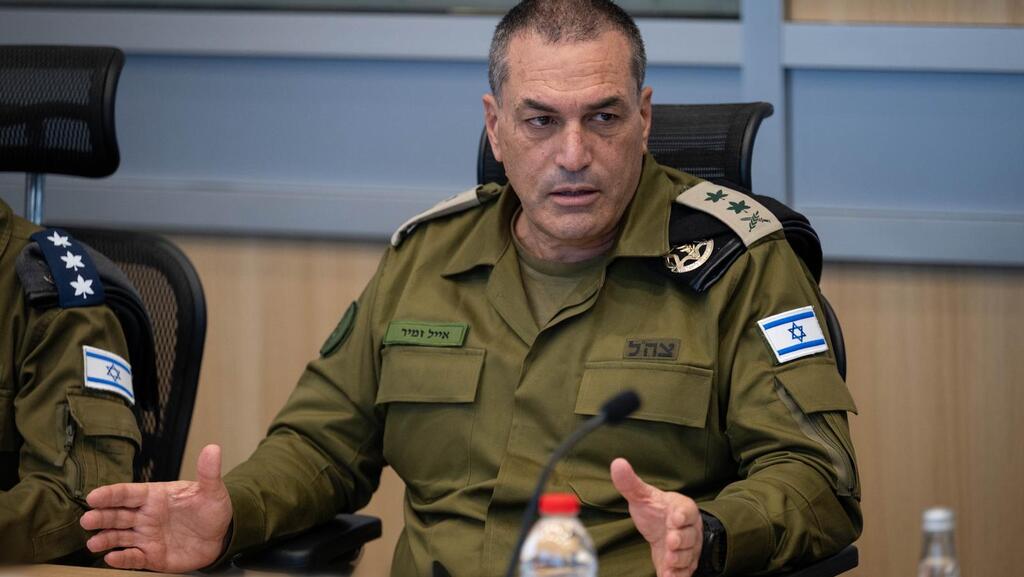
According to military sources, the IDF has entered a structured war-preparation mode similar to the framework used ahead of previous operations on Iranian soil, including Operations Rising Lion and Roaring Lion, while accelerating all planning and operational processes.
As part of the move, units have been instructed to maintain high readiness across all branches, shorten response times and close operational gaps.
Expanding target bank
At the same time, the Military Intelligence Directorate is increasing the pace of building its target bank in Iran, focusing primarily on military objectives, including missile systems, launchers and supporting infrastructure.
Officials familiar with the details said the accelerated update of targets is designed to ensure operational flexibility and enable rapid strikes should a political decision be made.
Prime Minister Benjamin Netanyahu said, “There is still enriched material in Iran. It will either leave by agreement or by other means.”
Israeli Air Force preparing strike options
The Israeli Air Force is also working to finalize updated strike plans in coordination with the Operations Directorate, including the preparation of broad “attack packages” integrating long-range capabilities, precision and sustained operational continuity.
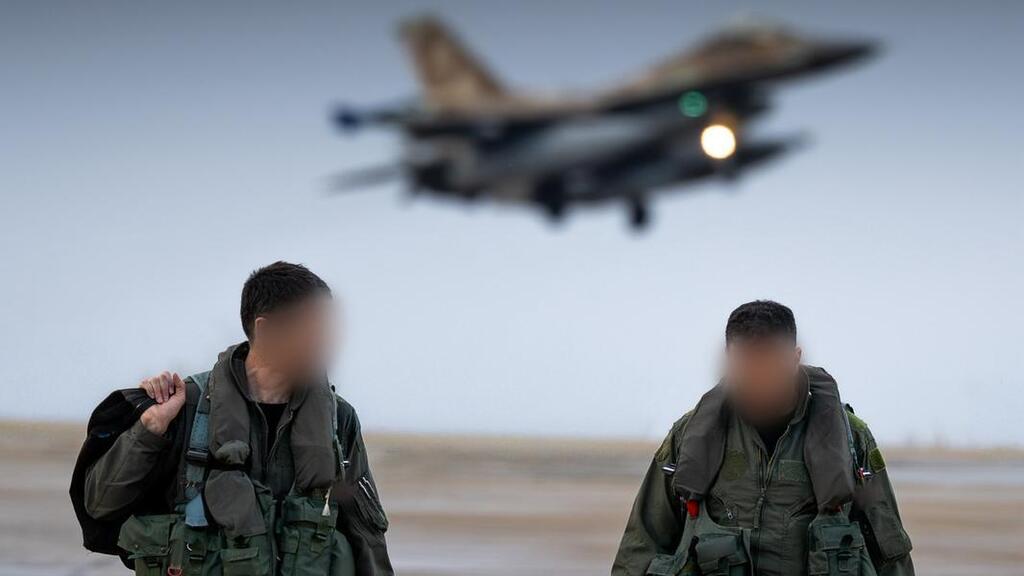
Israeli Air Force
(Photo: IDF)
Preparations include rehearsing opening scenarios and ensuring a rapid transition from planning to execution.
On the defensive front, the IDF is reinforcing the deployment of air defense systems and preparing for multi-front escalation scenarios, including the possibility of simultaneous attacks from multiple arenas.
This includes adjustments to home front readiness and increased alert levels across all sectors.
Diplomatic gap narrows
Defense officials assess that the collapse of negotiations reflects widening gaps between the parties and a shrinking window for a diplomatic solution.
However, they stress that no decision has been made on military action and that current measures are intended first and foremost to ensure full readiness for any scenario.
Iran has been caught off guard twice by Israeli operations in less than eight months, and Israel is preparing for all contingencies, including a possible Iranian first strike or miscalculation. As a result, alert levels have been raised and no risks are being taken.
In any case, coordination between the IDF and U.S. Central Command remains full ahead of a potential return to joint combat operations, with any move expected to be coordinated between political leaderships.
Washington weighing next steps
In Jerusalem, officials were not surprised by the failure of the U.S.-Iran talks, saying Iran showed no flexibility in negotiations in Pakistan and left little room for maneuver.
The decision now rests with U.S. President Donald Trump. The American delegation, led by Vice President JD Vance, is returning to Washington to brief him.
US Vice President JD Vance after Pakistan talks with Iran
(Video: Retuers)


Some of Trump’s advisers and Vance himself are reportedly reluctant about a return to fighting and may recommend giving diplomacy another chance, hoping Pakistan can persuade Iran to soften its position.
Vance signaled that possibility in a statement in Pakistan, saying, “We arrived here and we are leaving with a very simple proposal, and it is our final and best offer. We will see if the Iranians accept it.”
Still, several options remain under consideration, including imposing a naval blockade on Iran, resuming joint strikes with Israel targeting energy and national infrastructure to cripple Iran’s economic recovery, a ground operation in the Strait of Hormuz, seizing Kharg Island, or military action to remove enriched uranium.
The U.S. military appears to be preparing for all scenarios, while Israel is also readying for a rapid return to combat.
Coordination between Israel and the United States is described as maximal, both at the leadership level between Trump and Netanyahu and between the militaries and intelligence agencies.
Israeli officials have expressed satisfaction with the tough stance taken by the American delegation in Pakistan, noting that both countries share the same red lines and expectations in negotiations with Iran.
There is also approval of the U.S. position that a bad deal is worse than no deal at all.
The key question that remains is what Trump will decide next.