


Iran launched a major military exercise named “Eqtedar 1404” on Thursday morning, in the northern Indian Ocean and the Gulf of Oman. Military spokesperson Abbas Hassani said the two-day drill involves naval and submarine units, air forces, coastal and sea-based missile launch platforms and electronic warfare teams. The exercise will feature missile launches, electronic warfare maneuvers and drone operations, drawing on operational experience from recent years.
Hassani highlighted the use of a wide range of precision cruise missiles—short, medium and long-range—aimed at “striking maritime targets,” with the primary goals of boosting combat readiness, enhancing planning and command capabilities, creating deterrence and instilling “a sense of security and hope among the Iranian public,” all reliant on domestic expertise.
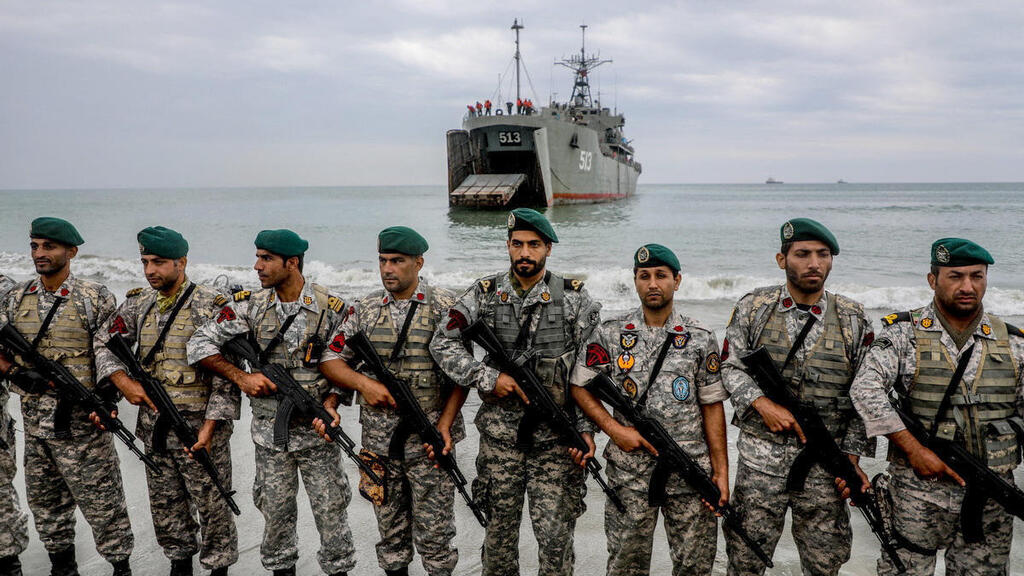
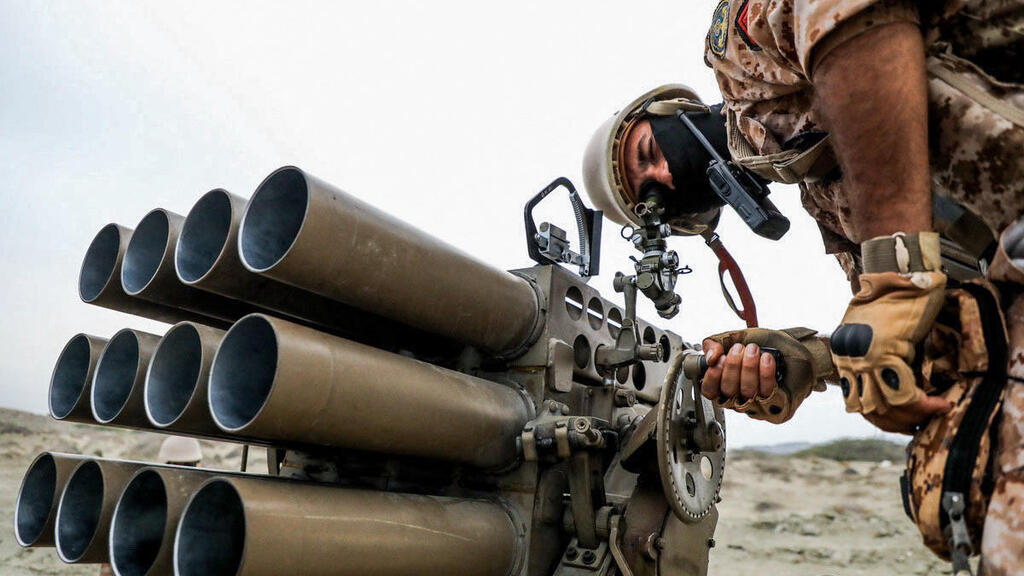
(Photo: AFP/IRANIAN ARMY OFFICE)
The exercise coincides with ongoing threats from Iranian regime leaders against Israel and the United States, timed ahead of “National Defense Industry Day” on Friday. “The strategic and decisive impact of some Iranian defense industry achievements has been evident in countering Israel and the U.S. These successes have built effective deterrence," Iranian Chief of Staff Abdolrahim Mousavi declared.
“The only way to protect the nation from threats is to pursue a strategy of strengthening defense, improving deterrence, and upgrading military systems, equipment and weapons across land, sea, air, space, defense, cyber and electronic warfare.”
Iran’s Defense Ministry added in a statement that “Iran’s enemies understand that any adventure or miscalculation will meet a firm response. Despite four decades of sanctions, the nation’s defense industry has become a symbol of growth, excellence and prosperity, advancing from reliance on foreigners to independence and authority, making Iran a pillar of power and deterrence in the region.”
Defense Minister Aziz Nasirzadeh claimed on Wednesday: “The missiles used in the war with Israel were developed by the Defense Ministry years ago. We now have far superior missiles. If the Zionist enemy undertakes another adventure, we’ll use them.”
Supreme Leader Ali Khamenei’s advisor, Yahya Rahim Safavi, added that he doesn’t rule out further conflict with Israel. “We’re not in a ceasefire now, but in a phase of war that could collapse anytime. There’s no protocol or agreement with the Israelis—or the Americans,” he said.
Footage of IDF strikes targeting Iranian nuclear facilities
(Video: IDF Spokesperson's Unit)


The statements follow reports that the IDF isn’t dismissing another round of fighting with Iran, possibly soon. IDF Spokesman Brig. Gen. Effi Defrin noted on Wednesday: “Alongside operations in Gaza, we continue defensive and offensive actions on the Lebanon, Syria and Judea and Samaria borders, while monitoring developments in Iran.”
Chief of Staff Lt. Gen. Eyal Zamir said earlier this week that the "current campaign isn’t a one-off; it’s part of a long-term, multi-arena plan targeting all axis components, led by Iran.”
Beni Sabti, an Iran program researcher at the Institute for National Security Studies (INSS), downplayed the drill’s threat. “Their navy can’t stand up to the Americans. They have no chance,” he told Ynet on Thursday. He suggested the maneuver might respond to an alleged Israeli strike in Yemen, though he admitted uncertainty.
“I’m not even sure this fits their planned exercises—nobody knows what’s really happening on the ground,” he said. Sabti noted the Iranian public remains unmoved, aware of their military weaknesses.
“These drills are for self-encouragement, to show they’re strong and things work. Don’t underestimate them, but it comes from a place of weakness," he said, adding that the regime’s threats aim to deter action rather than reflect real power.
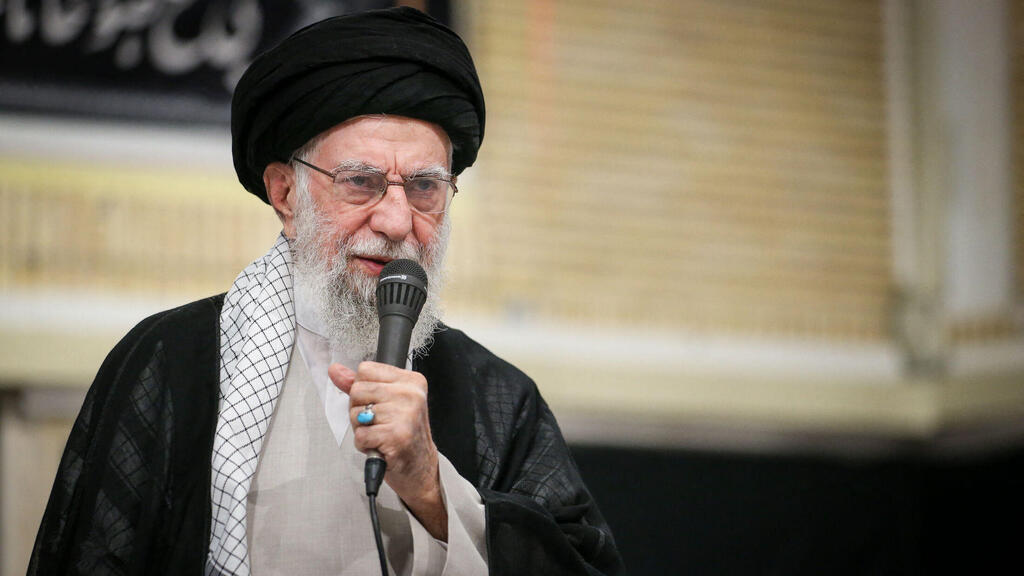
Supreme Leader Ali Khamenei
(Photo: KHAMENEI.IR / AFP)
“Out of fear, Iranians threaten more to stop you from starting something. We’ve fallen for this for decades and they’ve adapted. After the war, they’re left with threats, and the regime’s survival hinges on them.”
Sabti also pointed to Khamenei’s absence from public events during the drill and defense showcases. “The leader would appear on such days. They’d bring him samples. Due to age, he wouldn’t go physically, but they’d bring equipment for exhibits. Now he skips showcases, stays hidden, still in a bunker. Khomeini didn’t hide in the ’80s. There are threats—but where’s the leader?”