

Uganda’s King Oyo, who became known around the world as the “child king” after ascending the throne at just 3 years old, has died at 34, setting off an extraordinary succession battle after a popular television news anchor was chosen to replace him.
Edward Rukidi Kijjanangoma, a 56-year-old presenter and editor at Uganda’s state broadcaster UBC, was unexpectedly selected as the next king of Tooro, one of five traditional kingdoms recognized by the Ugandan state.
The decision has divided the royal family. Oyo’s mother and sister oppose Kijjanangoma’s selection, while Ugandan President Yoweri Museveni and members of the family have said the late king left a will asking for his young son, whose existence had never previously been made public, to inherit the throne. Oyo Nyimba Kabamba Iguru Rukidi IV died in the United States last month after battling cancer and was buried Sunday near Uganda’s border with the Democratic Republic of Congo.
A committee representing the royal clan nevertheless chose Kijjanangoma, Oyo’s cousin. Until now, he was best known to Ugandans as an anchor and editor at UBC, where he built a reputation as a modest and approachable media figure.
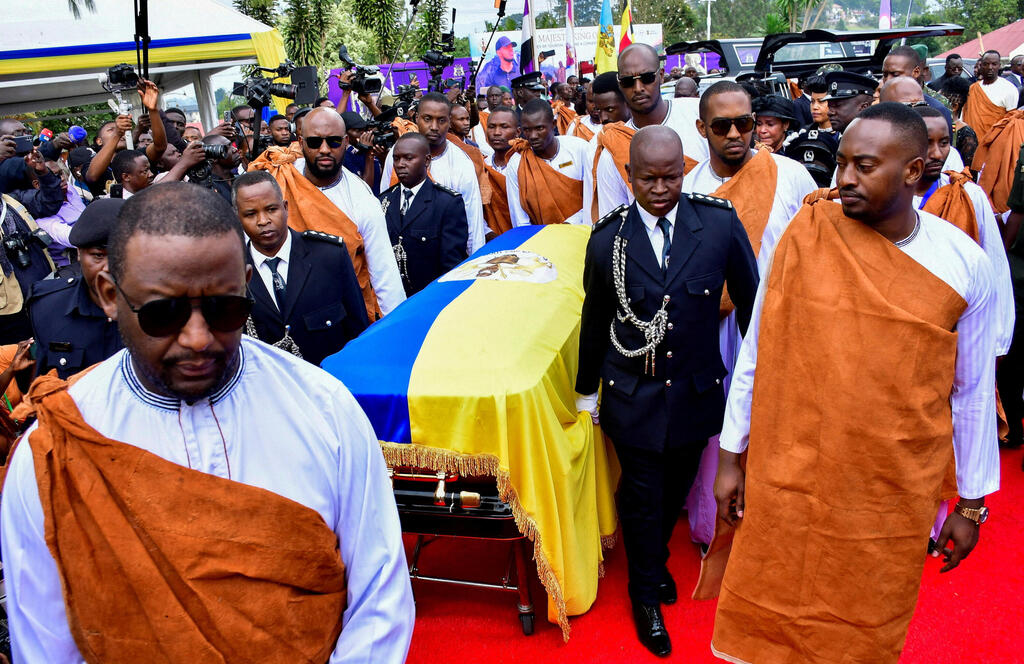
King Oyo’s funeral in Uganda’s Tooro Kingdom
(Photo: REUTERS/Abubaker Lubowa)
He also has a direct royal lineage: He is the son of Prince Christopher Paul Kijjanangoma and grandson of former Tooro king George David Rukidi III. His selection appears to satisfy traditionalists seeking dynastic continuity, as well as those opposed to placing another young child on the throne.
Oyo’s sister, Princess Ruth Komuntale, immediately rejected the decision and accused kingdom elders of trying to seize control of what her brother had built. “King Oyo was a very peaceful and humble person,” she said. “I just don’t want these evil vultures to come and steal what he worked so hard for. I continue to stand with my brother.”
The son no one knew about
The existence of Oyo’s son became public only after the king’s death, when Museveni said the queen mother had told him about the young boy. The president and members of the royal family later said Oyo had explicitly named the child as his preferred successor in his will.
But clan representatives argued that a son could not automatically be considered an eligible heir under Tooro tradition. A member of the selection committee told Uganda’s NTV that a royal child must first be formally presented to clan elders and undergo traditional rites and preparations before being considered for future leadership.
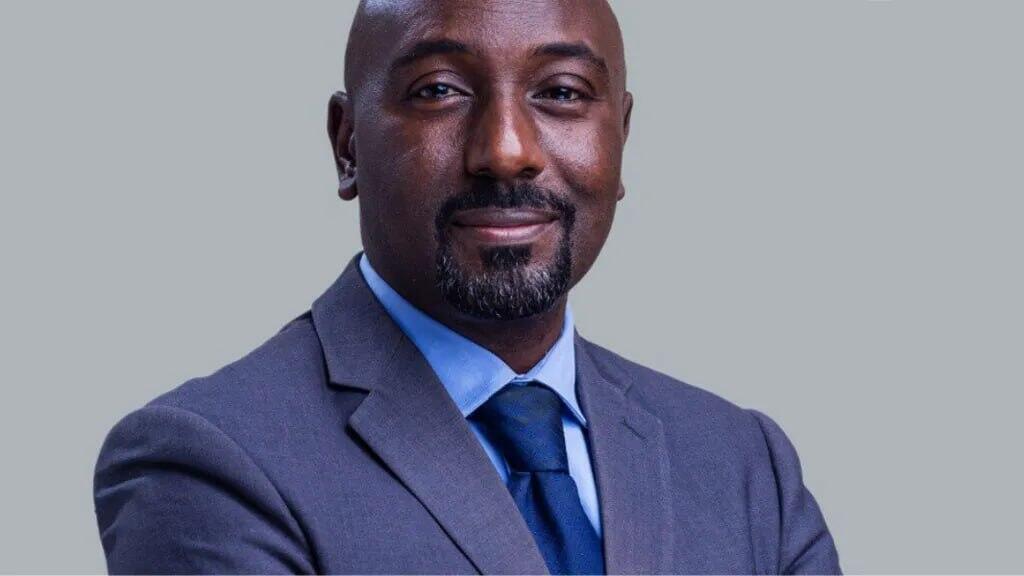
Uganda’s new king of Tooro, TV presenter Edward Rukidi Kijjanangoma
Oyo’s mother, Queen Best Kemigisa, has also rejected Kijjanangoma’s selection. Following the announcement, she alleged that the royal guard had been removed from the palace and replaced by soldiers restricting the movements of family members and their ability to receive visitors, describing the situation as “house arrest.”
She appealed to Uganda’s military leadership and Museveni to allow the family to mourn before the succession battle continued. “I appeal to everyone fighting over the throne: please, there will be time for all that,” she said. “Let us mourn and bury my son, King Oyo.”
Nine coffee beans mark a new reign
Despite the family’s objections, Kijjanangoma’s accession moved ahead over the weekend. At the royal burial grounds in Karambi, he performed one of Tooro’s most important succession rituals, throwing nine coffee beans into the grave to symbolize the transfer of royal authority. Along with the throne, he is expected to inherit valuable royal assets, including extensive landholdings, as well as a substantial allowance from Uganda’s central government.
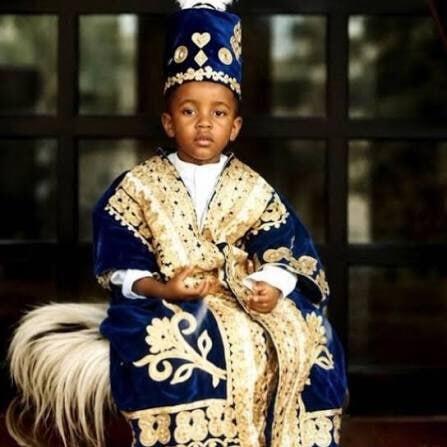
The ritual carried particular symbolism because Oyo himself performed it when he became king in 1995 following his father’s death. Just 3 years old, he appeared at his coronation in colorful ceremonial robes and became internationally known as the world’s youngest reigning king. Regents guided the kingdom until he turned 18, and over the following three decades he grew into one of Uganda’s best-known traditional leaders.
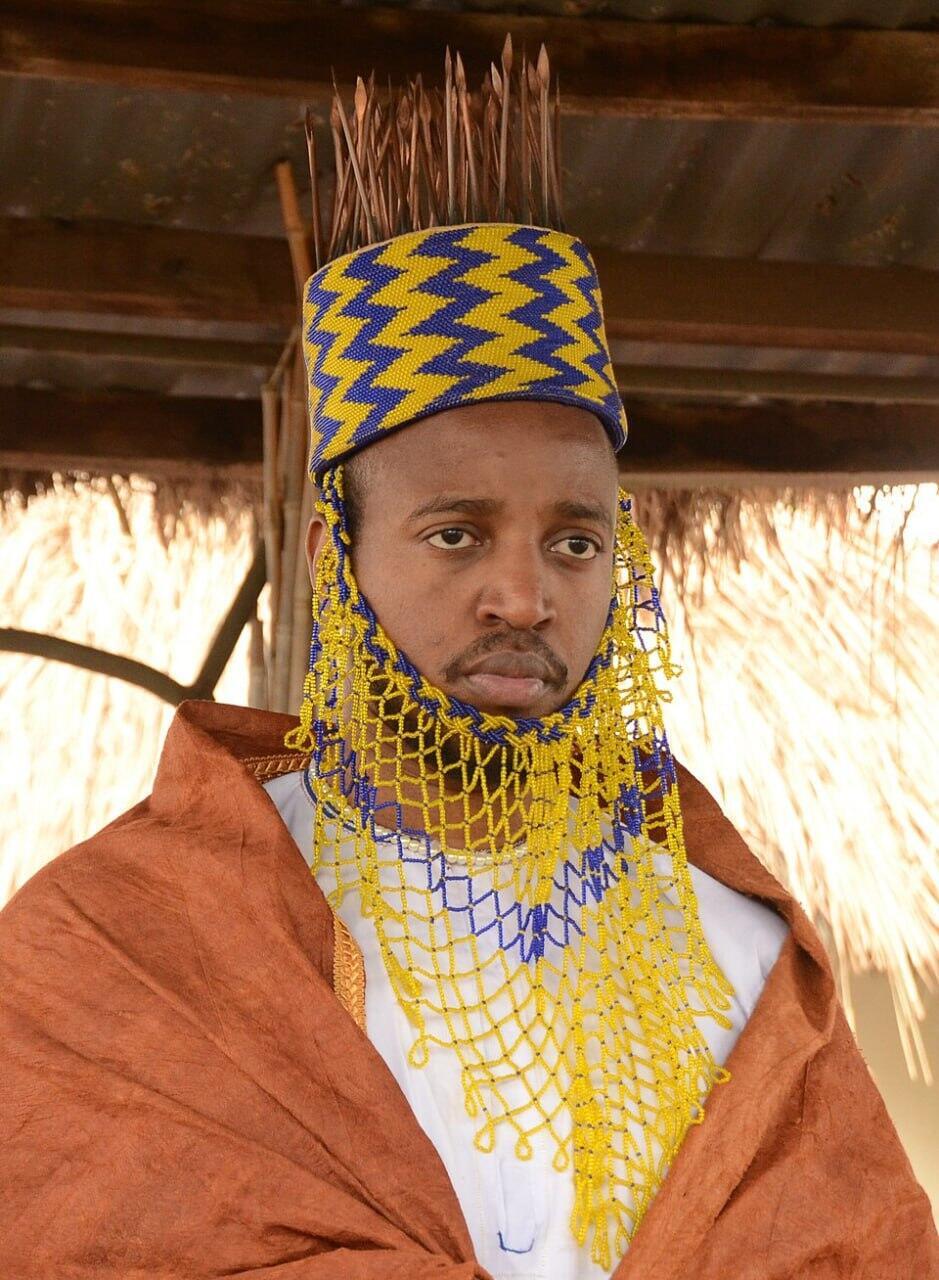
King Oyo as an adult
Oyo later served as a United Nations goodwill ambassador in efforts to combat HIV and AIDS and promoted healthy living and awareness of climate change. His unusual position brought him into contact with international figures including Nelson Mandela. His family also developed close ties with Libyan leader Muammar Gaddafi, who supported Oyo and Queen Kemigisa and helped finance renovations of Tooro’s royal palace before his death in 2011.
Uganda’s traditional kingdoms were abolished in 1967 and restored in 1993. They hold no formal political power today and are barred from partisan politics, but their monarchs retain considerable cultural and symbolic authority as custodians of tradition. Oyo’s death has now ended a reign that began with a toddler on the throne, while the fight over whether a television anchor or the late king’s previously unknown son should inherit it remains unresolved.