


As Israeli airstrikes on Iran entered their sixth day, more residents of Tehran continued to flee the capital on Tuesday, responding to U.S. President Donald Trump's call to evacuate and amid growing fears of escalation. “It feels like no one lives here anymore,” one Tehran resident told the Associated Press, describing the increasingly empty streets of the city.
Those who remain are stockpiling food and medicine, bracing for the unknown. Many blame the Islamic Republic's leadership for provoking the conflict. According to Iranian authorities, at least 585 people—among them women and children—have been killed since the Israeli strikes began five days ago.
Iranian television studio targeted in Israeli strike


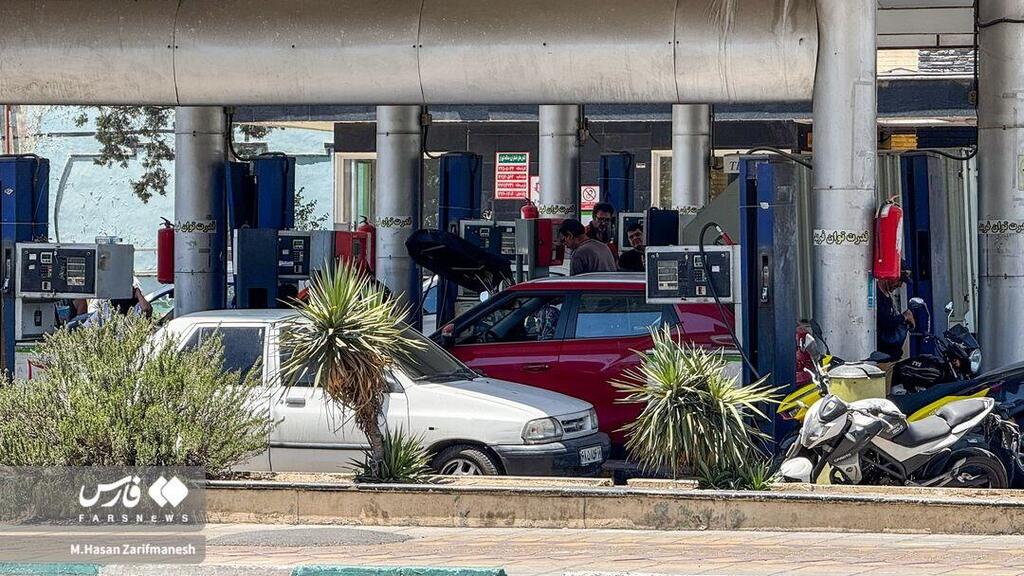
International media reported widespread closures in Tehran’s markets and many shops. Long lines were seen outside bakeries, pharmacies and gas stations, as residents rushed to buy essentials amid fears of further escalation.
Store owners told Reuters that locals were hoarding food, water, and gas canisters. Ramin, a 48-year-old pharmacist, said his pharmacy was overwhelmed. “People are stockpiling medicine, especially elderly who fear their essential supplies may become scarce because of the war.”
Although the government has promised that there will be no significant shortages of food or medicine, many Iranians remain skeptical. “I do not trust the authorities,” said Zeynab, 67, from Tehran. “They said Israel would not dare to attack Iran and look where we are. I have children and grandchildren. We have to stock up. No one knows what will happen and when this war will end."
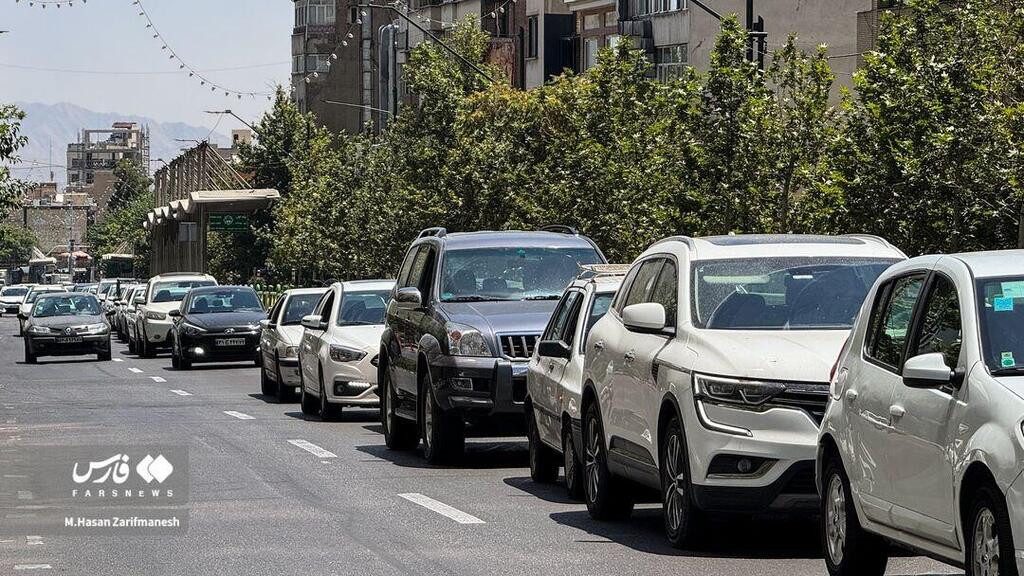
The IDF has urged Tehran residents to evacuate certain areas of the city, but Iranian officials dismissed the warnings as “psychological warfare” and called on the public to remain calm. Despite that, Iran’s state-run television aired footage of traffic jams on roads leading out of Tehran.
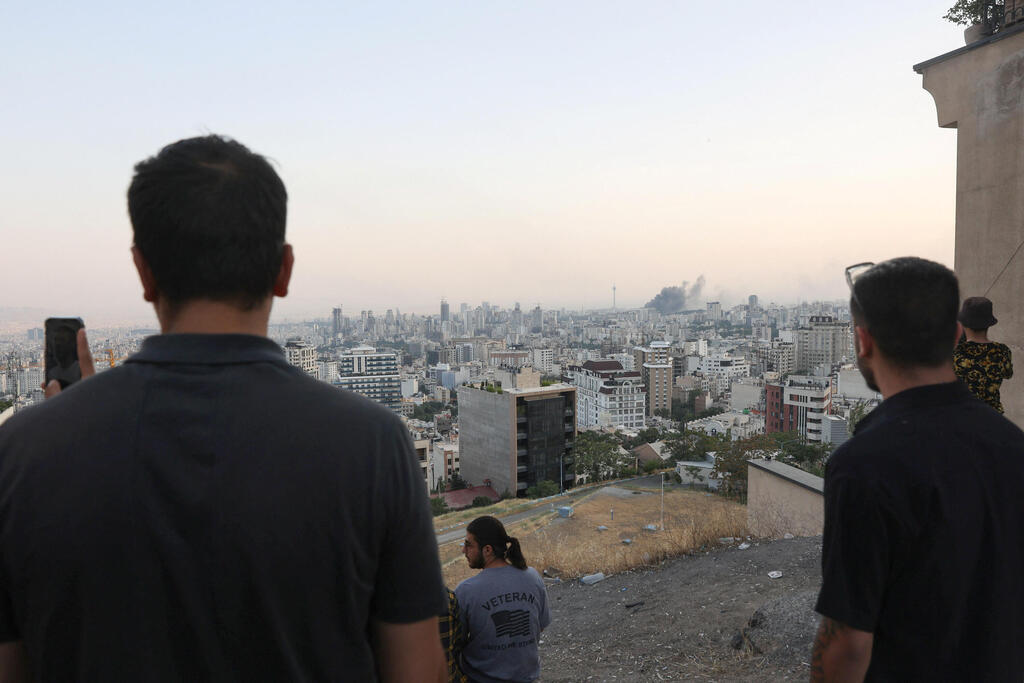
Israeli strikes in Tehran
(Photo: Majid Asgaripour/WANA (West Asia News Agency) via REUTERS)
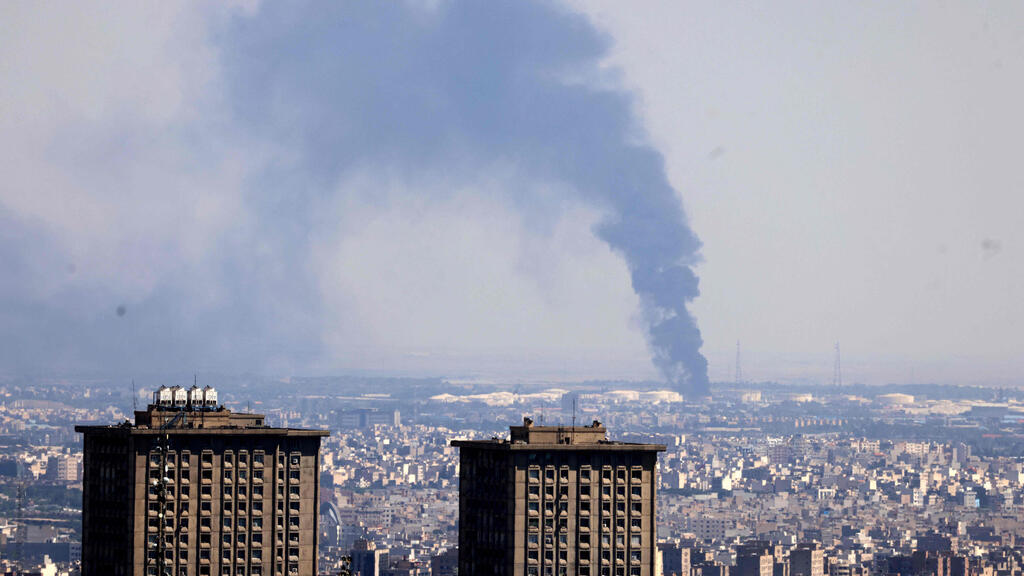
(Photo: ATTA KENARE / AFP)
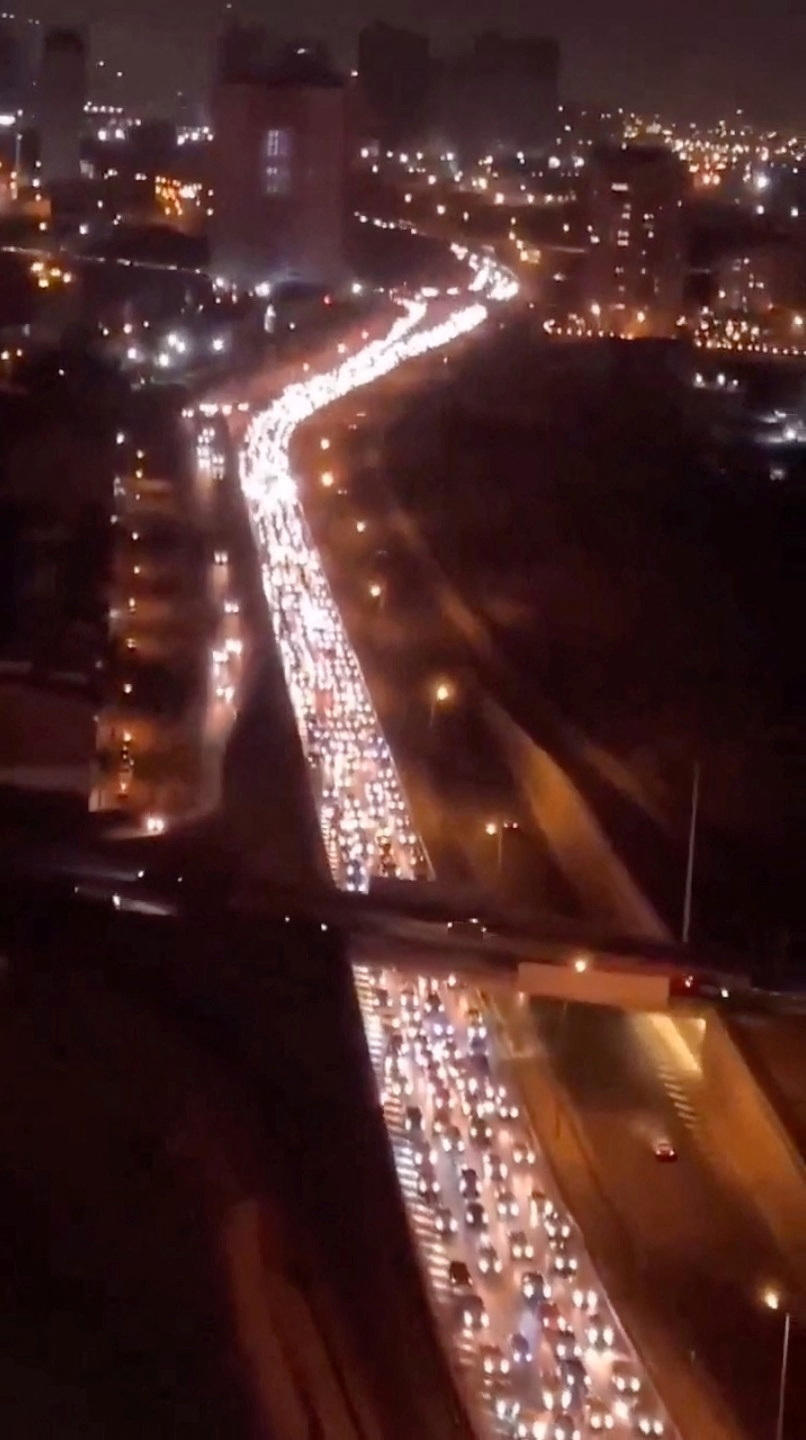
(Photo: Social Media/via REUTERS)
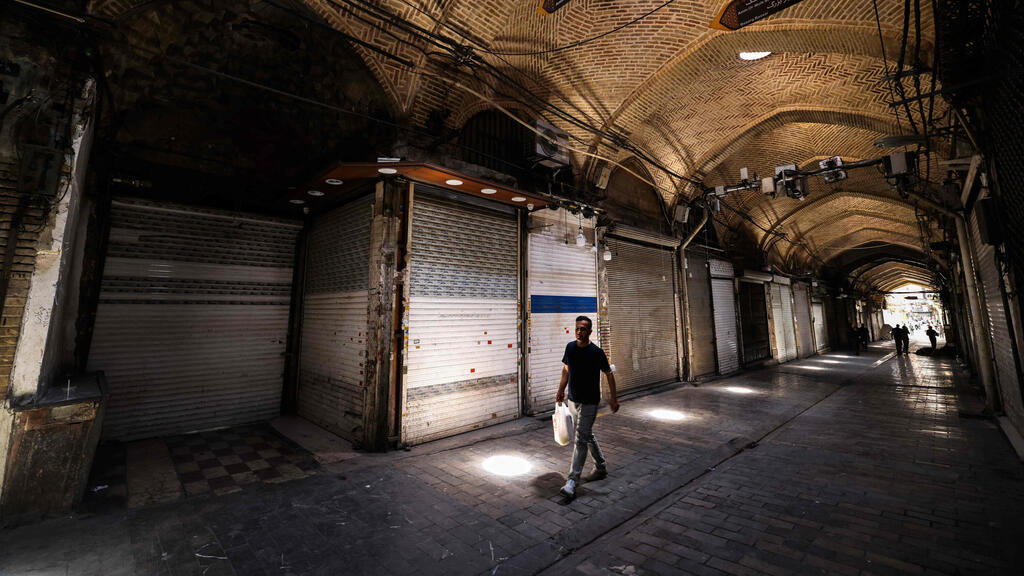
Barren market in Tehran
(Photo: ATTA KENARE / AFP)
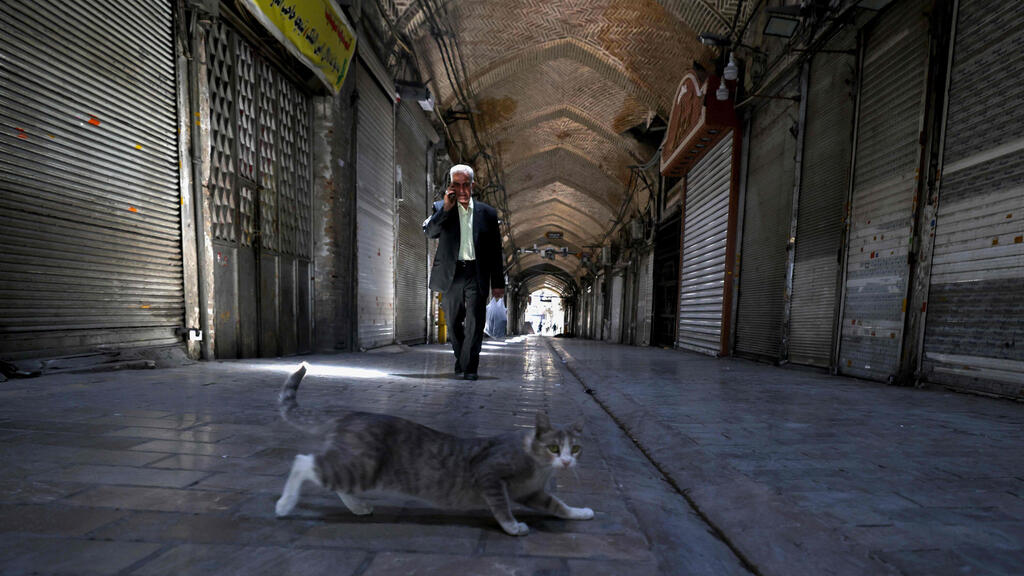
(Photo: ATTA KENARE / AFP)
“I've heard multiple explosions near my home in western Tehran,” said Mina, a 37-year-old computer technician, in an interview with AFP. “I wanted to leave, but I have several cats and I can't abandon them."
Shahriar, 38, also from Tehran, told Reuters: “We have nowhere to go. Where should we go? How long should we stay away from our homes?
Arshia, a 29-year-old art teacher, said his family left the town of Damavand, about 30 miles (50 km) east of Tehran, to wait out the war. “My parents are scared. Every night there are attacks, no air raid sirens, and no shelters to go to. Why are we paying the price for the Islamic Republic's hostile policies?
Get the Ynetnews app on your smartphone: Google Play: https://bit.ly/4eJ37pE | Apple App Store: https://bit.ly/3ZL7iNv
“There were no sirens, no shelters to go to. Now it is even worse, we cannot withdraw cash from ATMs, from banks,” said Gholamreza Mohammadi, a 48-year-old government worker. “It is so difficult to rent a place outside Tehran ... also prices of food are increasing every day as shopkeepers are increasing prices of goods.”
Reports also indicate Iran is cracking down on internet access in response to the Israeli strikes. On Tuesday, authorities warned citizens against using WhatsApp, Telegram and other location-based apps, claiming they were being used by Israel for espionage.
Iran has instructed the public to delete WhatsApp. The app’s parent company, Meta, responded: “We are concerned that such false reports may be used as a pretext to block our services at a time when people need them most.”