


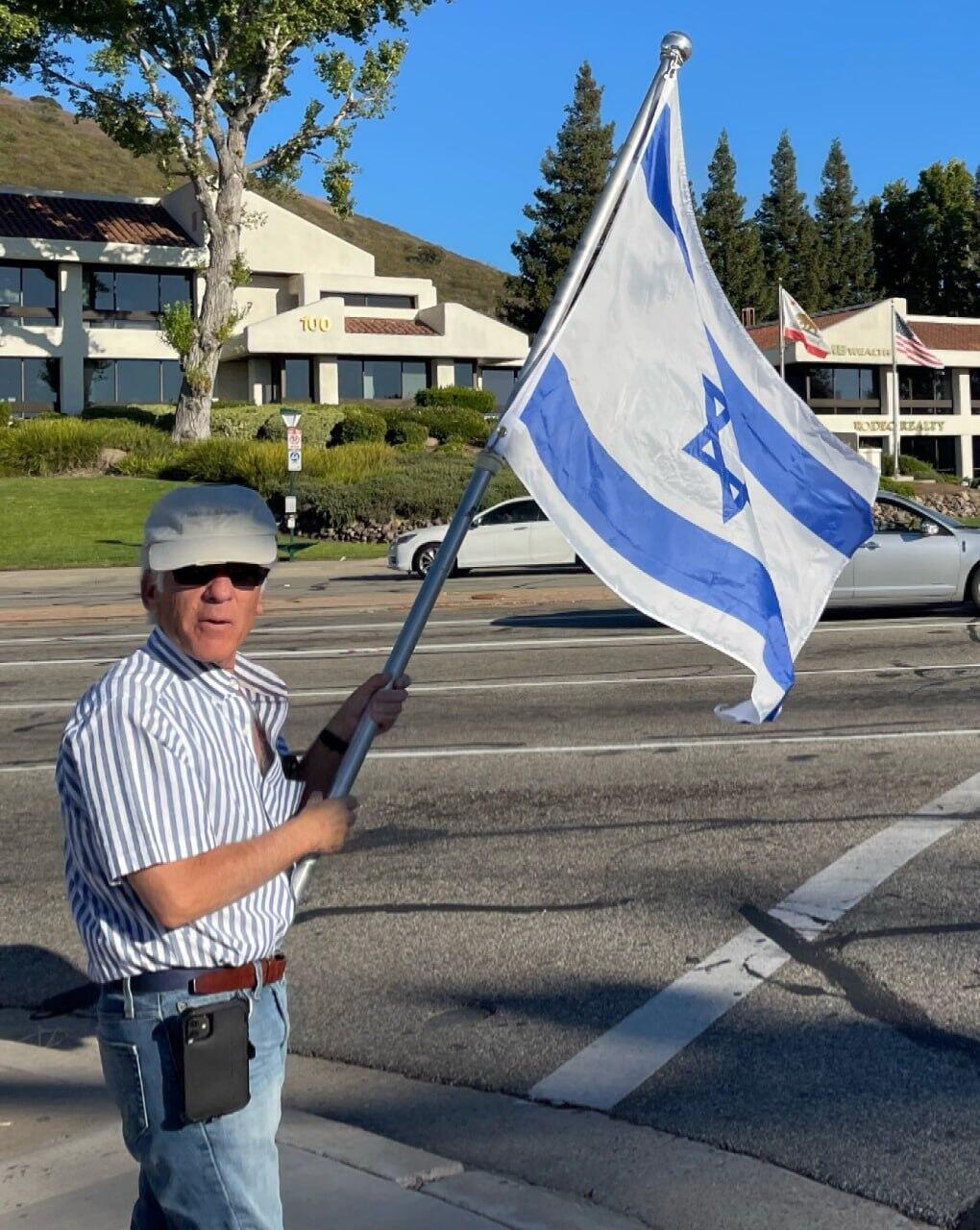
A California court sentenced Loay Abdel Fattah Alnaji, a 53-year-old lecturer of Jordanian descent, to one year in jail and two years of probation after he pleaded guilty to involuntary manslaughter in the death of Jewish protester Paul Kessler near Los Angeles in November 2023.
The incident, first reported by ynet, occurred during dueling pro-Palestinian and pro-Israel demonstrations in Thousand Oaks, California, one month after the October 7 attack. Prosecutors said Alnaji, a computer science lecturer at a community college in California, struck Kessler, a 69-year-old Jewish retiree, in the head with a megaphone, causing him to fall backward and hit the pavement. Kessler died of his injuries the next day.
Footage of the incident


Alnaji is expected to begin serving his sentence on August 7.
Last month, Alnaji pleaded guilty to involuntary manslaughter and assault causing serious bodily injury. He admitted that he personally caused serious injury and acknowledged aggravating circumstances, including the use of a weapon and harming a particularly vulnerable victim.
His attorney, Ron Bamieh, said the lenient sentence was reached after several meetings with the judge, who determined that the case involved “two older men who got into an argument that ended in an accident.”
According to the defense, Kessler aggressively pushed his cellphone into Alnaji’s face during the demonstration, and when Alnaji tried to push the device away, he unintentionally struck Kessler in the face with the megaphone. The defense also argued that Kessler had a brain tumor that worsened his injury after he fell and hit his head.
“This is a tragic case, but Mr. Alnaji is a peaceful man and always has been,” the defense attorney said.
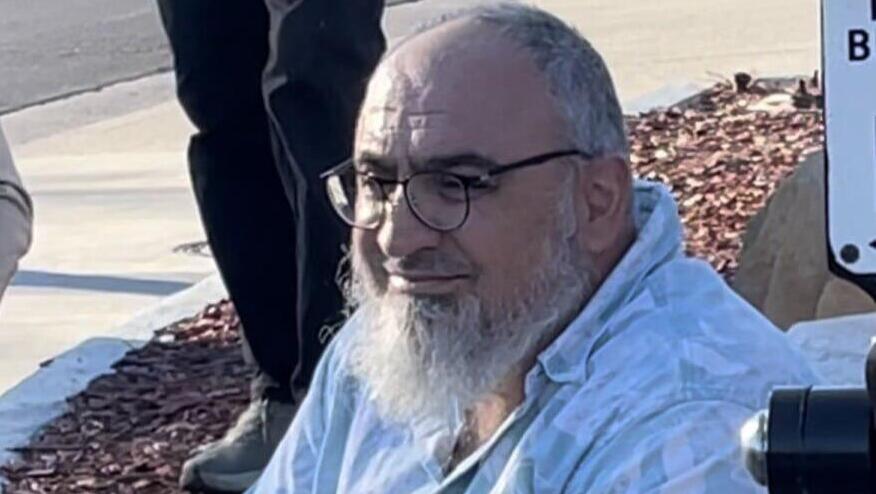
Loay Abdel Fattah Alnaji

Kessler lying on the pavement after the attack, Alnaji pointing at the megaphone
The Ventura County District Attorney’s Office opposed the court’s decision, saying Kessler “lost his life in a violent attack that took him from his family and his wife, to whom he had been married for 43 years.”
“Given the circumstances of the case and the death that resulted, we believe a longer sentence in state prison would have been the appropriate and just punishment,” the office said.
Kessler’s widow, Cheryl, wrote that “there are no words to describe the pain of losing a husband in such a sudden and violent way.”
Jewish organizations and community leaders sharply criticized the sentence, saying it failed to reflect the gravity of the case.
Joshua Burt, regional director of the Anti-Defamation League, said the ruling was “little more than a slap on the wrist and does not fit the severity of the crime.”
“The message being sent is that someone can get away with attacking a person in broad daylight because they disagree with his views, especially when it involves feelings about Israel,” Burt said.
Alyza Lewin, U.S. affairs director at the Combat Antisemitism Movement, said that “as antisemitic protests become increasingly violent, it is essential that the justice system deter, not encourage, illegal conduct directed against Jews.”
Gerard Filitti, senior counsel at The Lawfare Project, said the lenient sentence was viewed by many as “a disregard for Jewish lives.”
First published: 19:17, 07.01.26