


Nearly three years after the Oct. 7 massacre, and amid the war that has continued since, State Comptroller Matanyahu Englman published a sharply critical report Tuesday on the erosion of Israel’s domestic weapons production capabilities.
The comptroller also conducted a follow-up audit of a specific area within the Israel Atomic Energy Commission, but decided not to publish that report due to national security considerations.
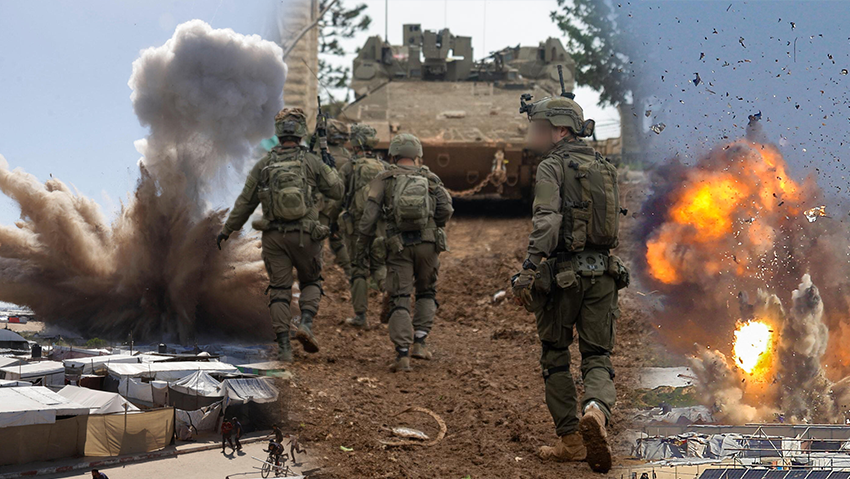
In the report on Israeli-made weapons systems, Englman found that over the past two decades, domestic production capabilities had been damaged or lost, and that rebuilding them would require significant funding and many years. He examined the IDF’s stockpiles before the outbreak of the war and addressed the arms embargoes imposed on Israel by several countries during the fighting.
The report said that despite billions of shekels invested in building the required production infrastructure, “capabilities were damaged or lost, and certain production lines atrophied” over the past 20 years. According to the comptroller, this was due in part to a preference for cheaper raw materials purchased abroad and a lack of sufficient orders from domestic production lines, including orders funded by the IDF.
“During the war, this increased dependence on supplies from foreign countries, undermined Israel’s diplomatic and strategic freedom of action, and harmed the availability of weapons supplies to the IDF,” Englman said.
He said the war had underscored the need for Israel to strengthen its independent weapons production capabilities and reduce dependence on foreign countries, international interests and outside considerations regarding the supply of weapons, components and raw materials.
According to Englman, the loss of production capabilities and dependence on purchasing raw materials abroad endangered the lives of soldiers on the battlefield.
“The prime minister and defense minister must carefully examine the report and correct the deficiencies,” he said. “This is an issue that affects the security of Israel’s citizens.”
The audit found that the defense establishment did not budget for a decision made in October 2021 by then-Defense Minister Benny Gantz to double the production lines and infrastructure for a certain type of weapons system and its annual output beginning in 2023, and to allocate several billion dollars to the effort over a decade.
The report also found that former Defense Ministry Director-General Amir Eshel approved mappings in May 2021 and September 2022 of all the capabilities needed to produce weapons systems, but that the IDF was not included in the process. As a result, the military did not prioritize which weapons systems should continue to be produced in Israel.
In addition, the Defense Ministry did not map all the risks stemming from reliance on the purchase of components and raw materials abroad.
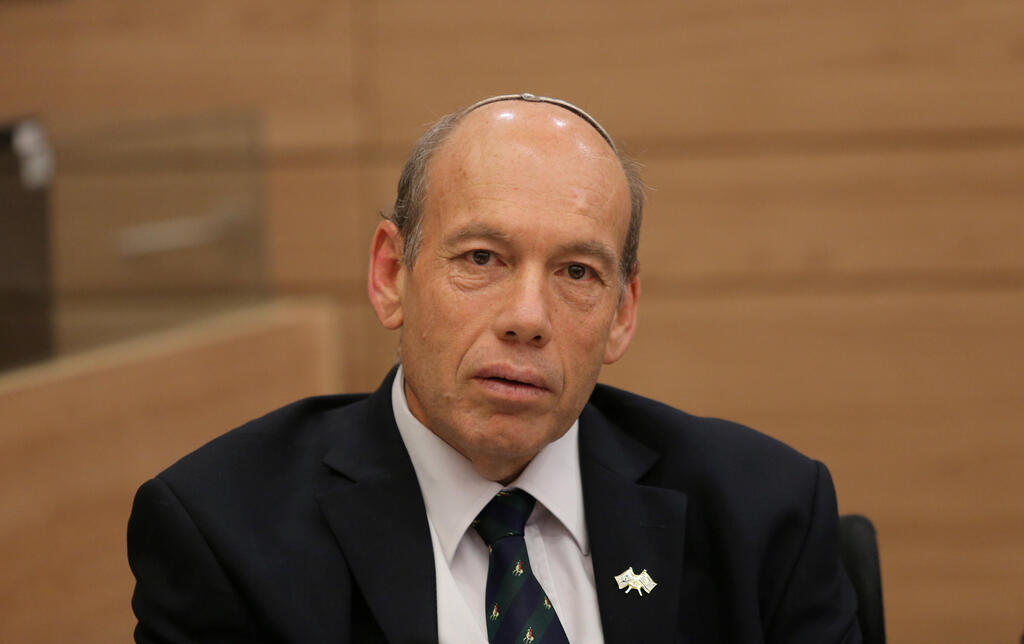
State Comptroller Matanyahu Englman
(Photo: Alex Kolomoisky)
“In the absence of such a plan, Israel’s ability to produce weapons domestically in emergencies and during wartime could be harmed,” the report said.
Before the outbreak of the war, the Defense Ministry, together with the IDF, had not prepared an organized plan determining which raw materials were needed to accelerate weapons production in emergencies. It also had not budgeted for the purchase of raw material stockpiles, components with long delivery times or obsolete components needed to speed up production.
The comptroller said the ministry also lacks a central budget for such purchases, despite lessons drawn after the Second Lebanon War in 2006 and recommendations made by the “Blue and White” committee in 2007.
After Oct. 7, the Defense Ministry and IDF began mapping production capabilities in order to promote Israeli manufacturing independence, but the process had not been completed by January 2025. Decisions made on budgeting addressed only some of the capabilities.
“The significance is harm to the pace at which the IDF carries out operational missions and concern over damage to its operational effectiveness during the war,” Englman said.
The report said that from May 2021 until the outbreak of the war, defense ministers were not presented with the relevant mappings, did not discuss all the required capabilities and did not set an overall policy on the issue or raise it with the National Security Council and the prime minister.
The comptroller said the failure to set an overall policy and funded plan before the war meant that lessons from Operation Guardian of the Walls and from previous international restrictions on Israeli weapons procurement were not implemented, harming the IDF’s preparedness for war.
The Security Cabinet that served in successive governments from June 2021 until the outbreak of the war also did not discuss independent domestic weapons production or preparations to accelerate production in an emergency.
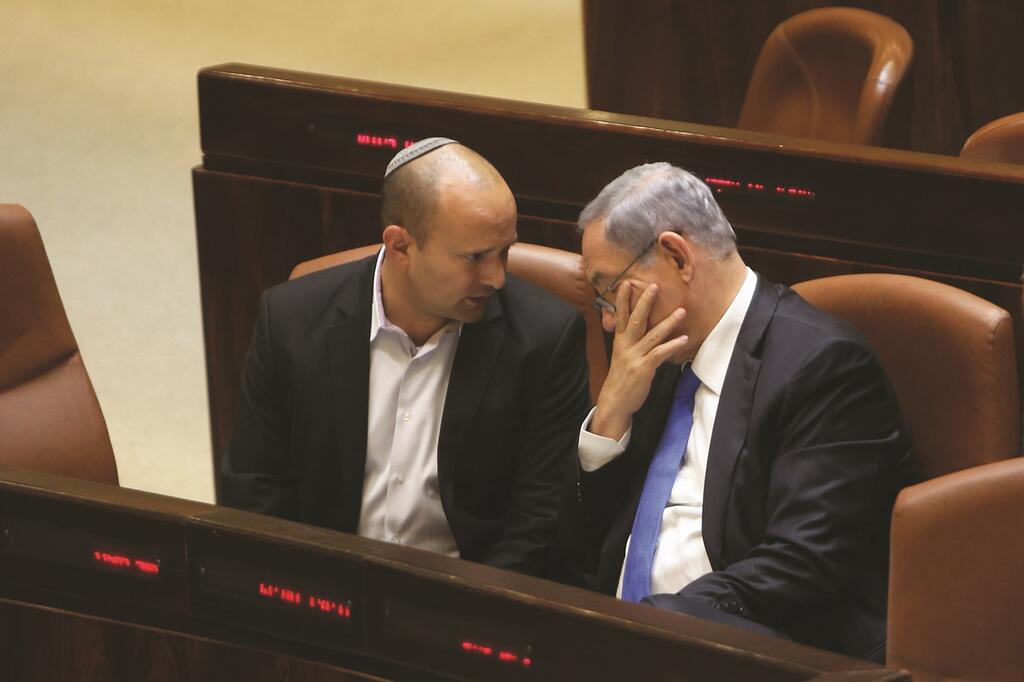
(Photo: Alex Kolomoisky)
Former Prime Minister Naftali Bennett and Prime Minister Benjamin Netanyahu did not instruct the National Security Council to bring the issue up for discussion in order to formulate an overall policy, the report said. The National Security Council also did not raise the matter with Bennett or Netanyahu.
“The lack of attention to the issue harmed Israel’s independence in producing weapons during the war,” the comptroller said. “There is concern that this harmed the IDF’s combat capability.”
Only in December 2023, about two months after the war began, did Netanyahu stress in the Security Cabinet the importance of setting goals and accelerating work toward Israeli independence in force buildup regarding a certain weapons system. He instructed that a follow-up discussion be held.
In April 2023, then-Defense Minister Yoav Gallant instructed Defense Ministry Director-General Eyal Zamir to formulate a plan to accelerate production of a certain weapons system and examine independent production of raw materials and the required components. In December 2023, Gallant gave Zamir instructions regarding a production line for a certain weapons system in Israel, but as of the audit’s completion in May 2025, the matter had not developed into a full, funded action plan.
In February last year, the comptroller’s office contacted former Prime Minister Yair Lapid and other officials to determine whether they had dealt with the issue during their terms and whether it had been discussed in Security Cabinet meetings or other meetings. Lapid said he refused to meet with representatives of the office.
Englman wrote that Lapid’s refusal “is inconsistent with the obligation to provide explanations to the state comptroller that the comptroller deems necessary for the purposes of the audit under the Basic Law: State Comptroller.”
The report also found that Israel lacks active domestic production capabilities for several types of raw materials used in weapons manufacturing and therefore purchases them abroad. Some raw materials for certain weapons systems are produced in several foreign countries, creating a dependence that the comptroller said could harm domestic production.
Englman also noted that Russia’s invasion of Ukraine in February 2022 led to a global increase in demand for weapons systems and military equipment, driving up prices for components used in their production. The Israel-Hamas war also led to higher prices, including shipping costs.
According to the comptroller, independent weapons production in Israel would increase the IDF’s endurance during a prolonged war.
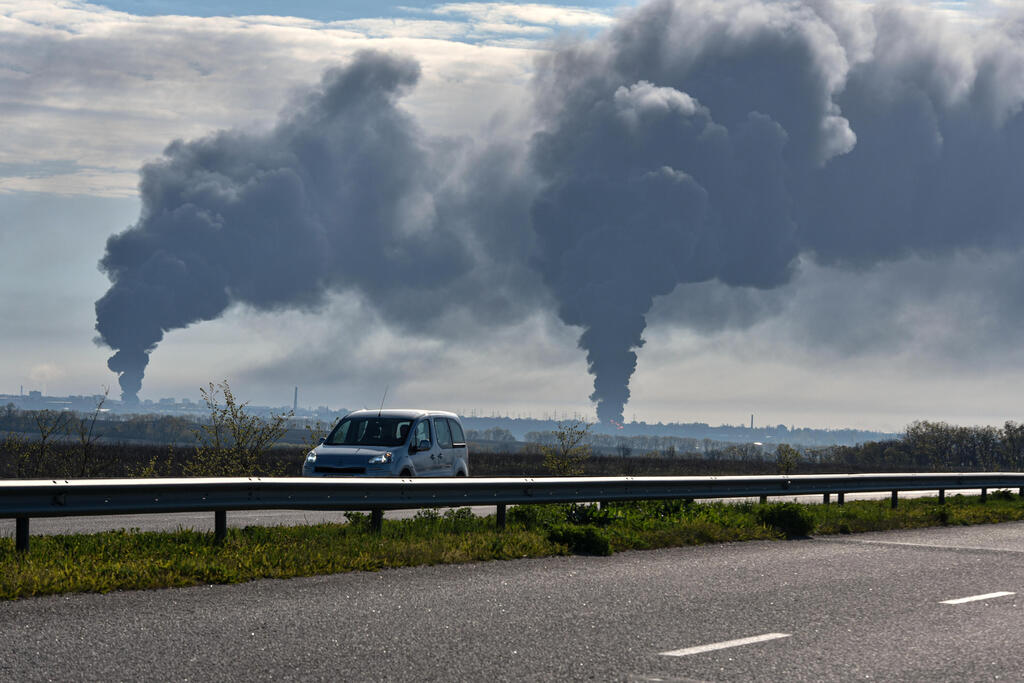
Russian strikes in Ukraine
(Photo: AP Photo/Mykola Synelnykov)
“During the war, deficiencies with operational significance emerged: The pace of IDF operations was affected, and certain equipment was lacking, creating a risk to soldiers,” he said.
The comptroller said deficiencies identified in the current audit had already been raised in the past, indicating that previous problems were not corrected, recommendations were not implemented and necessary lessons were not learned within the defense establishment.
The Defense Ministry said in response that Israel’s weapons independence is “at the core” of its strategy and a top priority.
“Since the outbreak of the war and based on its lessons, particularly over the past year, the Defense Ministry has been working to close gaps accumulated over years and is advancing a broad program to achieve ‘Blue and White’ weapons independence, at a cost of billions of shekels,” the ministry said.
The ministry said it has established new production infrastructure and expanded production lines in about 20 critical areas together with Israel’s defense industries.
It added that emergency measures taken over the past year had led to a dramatic acceleration of hundreds of percent in production rates, including through the management of critical raw materials, the removal of bottlenecks and the training of dedicated personnel in the defense industries.
The ministry said it is currently advancing a plan to accelerate Israeli procurement and maximize weapons independence in critical components as part of the “Shield of Israel” force buildup plan, approved by the prime minister and defense minister, at a cost of 350 billion shekels over a decade.
“Especially now, as the IDF is engaged in prolonged fighting, the findings illustrate in practice the dangers of underbudgeting that endangers the national goal of achieving weapons independence,” the ministry said.
The IDF said in response that it has been engaged in continuous multi-front combat for more than two years and has achieved unprecedented successes.
“The IDF’s combat capabilities were not harmed, and soldiers’ lives on the battlefield were not endangered due to ammunition and weapons inventory,” the military said.
The IDF said it maps and prioritizes only the operational need for weapons systems, as required, but is prohibited from intervening in decisions including whether to prefer Israeli-made weapons. Overall responsibility for weapons production and procurement rests with the Defense Ministry, it said.
“In the field of ammunition, many and varied processes were carried out in order to provide different solutions to gaps that arose, including preparations for certain shortages,” the IDF said.