


The European Commission held a discussion on Tuesday regarding a proposal to suspend Israel’s participation in parts of Horizon Europe—the world’s largest research and development program for scientific and industrial cooperation—but the meeting ended without a decision. According to diplomatic sources, two major member states, reportedly Germany and Italy, opposed the proposal, preventing the necessary majority for its adoption.
The proposed suspension pertains only to the innovation section of the program, and its cancellation could inflict damages of approximately €150 million (582 million shekels) on high-tech and innovation-related collaborations. Other parts of the program are not expected to be affected at this stage.
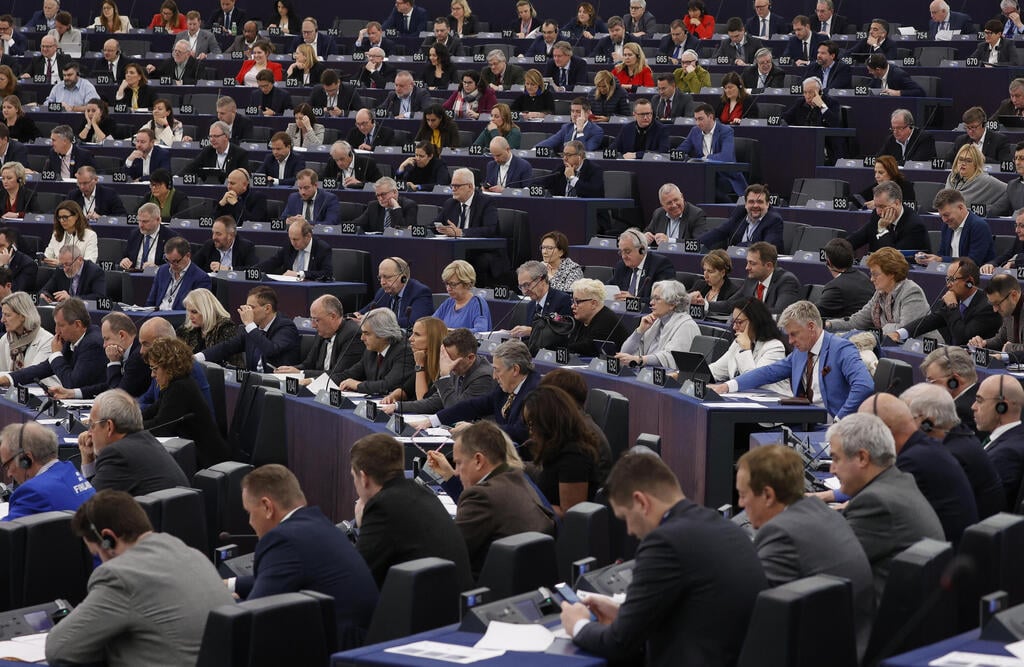
The debate was prompted by claims from several EU countries alleging that Israel has not fulfilled its commitments under the agreement to increase the delivery of humanitarian aid to the Gaza Strip. These countries asked the Commission for “concrete options,” and EU officials emphasized that “all options are on the table,” including sanctions.
With no majority achieved, the European Council presidency announced it would continue talks with the opposing and undecided states in an attempt to formulate an agreed-upon proposal. Should an agreement be reached, the matter will be resubmitted for approval—either in a physical meeting or via a written procedure.
Get the Ynetnews app on your smartphone: Google Play: https://bit.ly/4eJ37pE | Apple App Store: https://bit.ly/3ZL7iNv
Senior officials familiar with the matter noted that, since the two major states stated they were not yet in a position to make a final decision and wished to continue monitoring the humanitarian situation on the ground, the required majority was not secured. The Council presidency said it would keep working to bridge the gaps. If consensus is reached, the issue will be brought again before the forum of ambassadors.

The flags of Israel and the EU fly together
(Photo: AFP)
In recent hours, intensive talks have taken place between Israel and Germany in an attempt to identify an "X factor" that would allow the Germans to block the sanction. One option under consideration is to allow an EU task force to visit the area and monitor the implementation of the humanitarian agreement on the ground. If the EU is convinced that Israel is indeed meeting its pledge to double aid delivery, the suspension initiative may be dropped.
Until now, Israel had consistently opposed the arrival of such a task force. However, a new approach is now under consideration, driven by the understanding that this step might avert a serious diplomatic crisis and preserve Israel’s participation in the EU’s flagship program.