

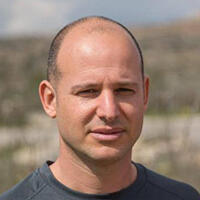
On Oct. 7, 2023, as Israel awoke to an unprecedented nightmare, these four company commanders were still serving in more junior positions. They rushed from the officer training school, private trips and weekend leave straight into the chaos in communities near the Gaza border, including Be'eri, Kissufim, Nir Oz and the Re'im junction.
They rescued civilians under heavy fire, witnessed scenes they had previously thought existed only in movies and, in some cases, suffered serious injuries. Now, after three consecutive years of intense fighting in Gaza, Lebanon and the West Bank, they command companies at the Givati Brigade's training base, the Nahal Brigade's training base, the Paratroopers' training program and the squad commanders' course.
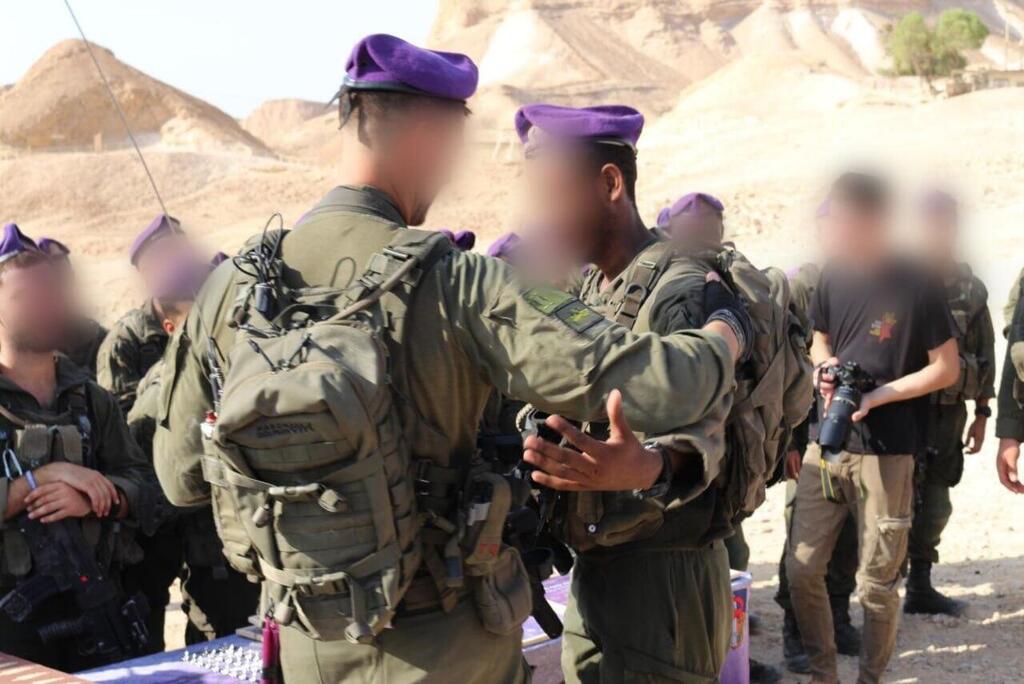
The officers are bringing hard-earned operational lessons and insights gained at great personal cost to the training grounds, where they are responsible for educating and shaping the next generation of combat soldiers.
"On Oct. 7, I was a team commander in the Gefen Battalion at Bahad 1," recalled Capt. Y., now a company commander overseeing recruits in the Givati Reconnaissance Unit, referring to the IDF's officer training school.
"We started that morning at 7 a.m., and I drove south with my father to reach the assembly point. I spent my first hours of fighting with two officer cadets, and from there we drove to the Re'im junction area, near the site of the music festival, and then to Nir Oz.
"I separated from the cadets to join my team because I understood that I was responsible for my unit and couldn't let my soldiers fight without me. We brought combat equipment from Bahad 1 and then headed into fighting in Sufa, Nir Yitzhak and the Yesha junction. We spent three or four days restoring control."
One moment from those first days remains particularly vivid.
"There was a moment when we stopped the Humvees, quickly prepared ourselves and the company commander told us to forget what we knew and understand that we were entering a combat zone," Capt. Y. recalled.
"When you're in the Gaza or Lebanon sector and someone tells you that, you understand. But I looked around and saw kibbutzim and Israeli communities. That really struck me. It was a period of tremendous shock and disbelief."
A generation that did not experience Oct. 7
Serious injuries and prolonged combat have become inseparable parts of the commanders' stories.
Capt. N., now a company commander in the Paratroopers' 890th Battalion training program who is set to be promoted to major, fought in Be'eri during the first days of the attack as part of a force known as "Ben-Mosh."
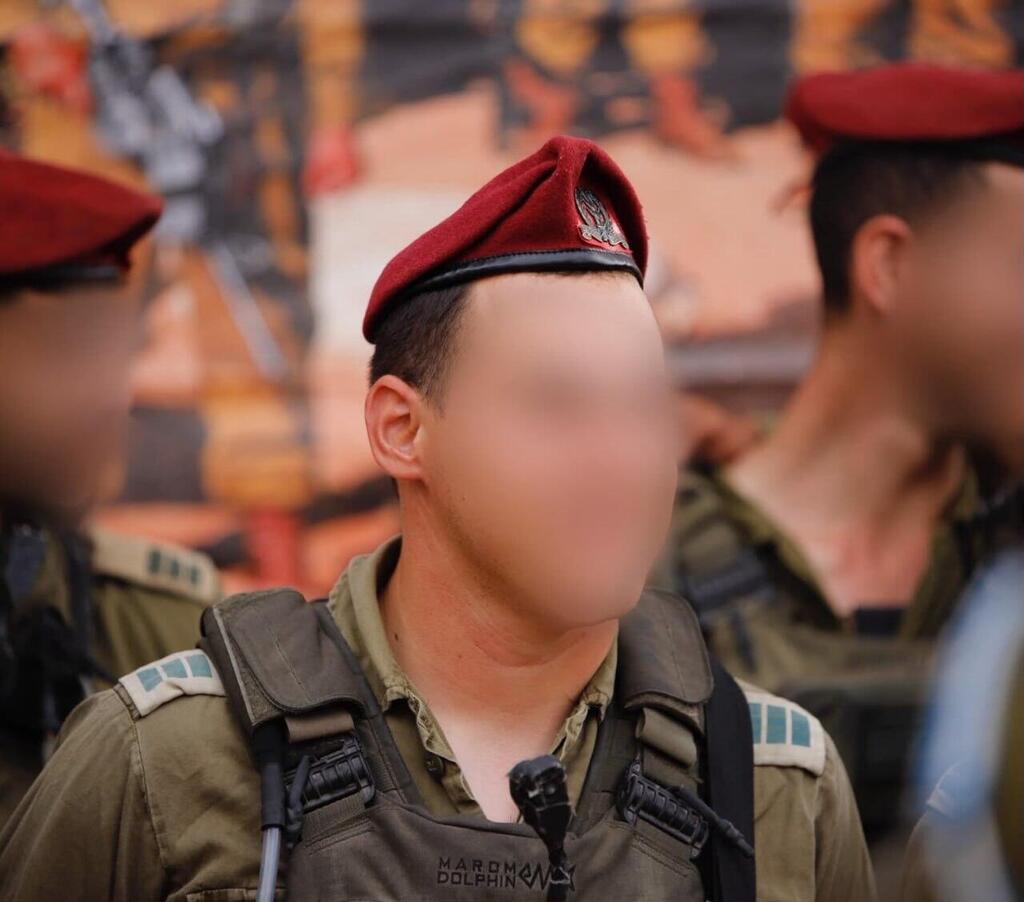
Capt. N.
(Photo: IDF)
"We ran through Be'eri for two consecutive nights, going from house to house, rescuing residents and fighting in firefights until the community was declared clear," Capt. N. said.
"From there, we moved on to preparations for entering Gaza. A week after the ground offensive began, I was seriously wounded by friendly fire. Shrapnel cut into my windpipe, I was sedated and placed on a ventilator, and I underwent two months of rehabilitation. As soon as I could, I went straight back to my company."
Three years later, the new generation of soldiers is one that did not experience Oct. 7 firsthand as combat troops.
"Today, apart from my deputy company commander, no one serving under me was there on Oct. 7 or at the beginning of the ground offensive," Capt. N. said.
"My job is to help the soldiers imagine what it looked like. We were there, and we remember the initial shock. Our responsibility is to make sure that shock doesn't happen again next time."
Capt. A., a company commander in the IDF's squad commanders' course, puts the cultural and disciplinary lessons in stark terms.
"When I apply Oct. 7 to the training of commanders, I tell my trainees one thing: We must never forget. We must not forget what happened to us and what was done to us, and we must not forget that we failed in our mission," Capt. A. said.
"Alongside heroic battles, there were quite a few professional lessons we must learn so that it doesn't happen again. And it could happen tomorrow morning.
"My trainees were schoolchildren on Oct. 7, and now the responsibility rests on their shoulders. If they forget, we'll fall back into the same assumptions that made us less effective.
"At the tactical level, when I say there could be a war tomorrow morning, it's not a cliché. It's a belief I translate into daily preparations: maintaining constant readiness with ammunition, drills, defensive procedures and readiness at dawn.
"In my view, operational culture is the greatest lesson. Where that culture was lacking, that's where we failed."
'We failed in our mission to defend'
These lessons are shaping the next generation of soldiers from the ground up.
Capt. Y., a company commander at the Nahal Brigade's training base who is currently leading recruits through a week of field training, recalled the moment everything changed for him.
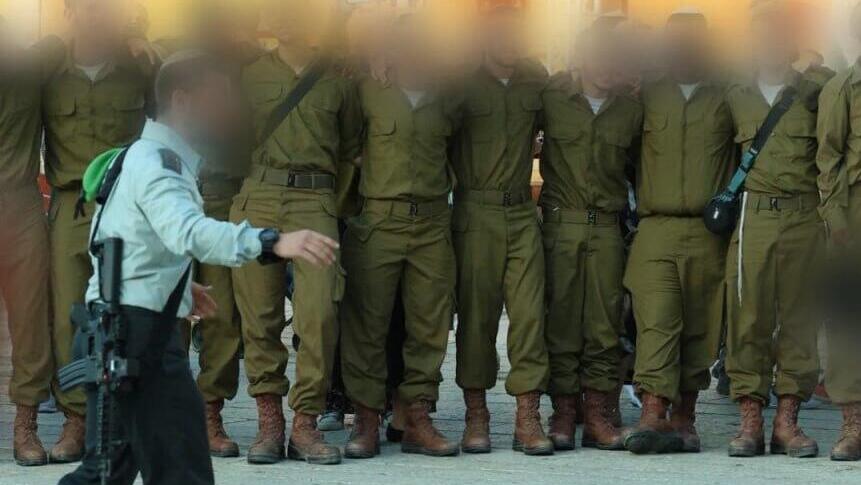
Capt. Y. and his troops at the Nahal Brigade's training base
(Photo: IDF)
"We entered Kissufim into a full-scale battlefield, with gunfire coming from every direction and rockets in the air," he said.
"As we were driving, a friend who was in the vehicle with me was speaking on the phone with his family in Be'eri, explaining how to tie a shirt into a tourniquet to save their younger brother, who had been shot.
"We went from house to house under fire to rescue families and act as human shields for them. Our mission was to make sure no civilian was harmed, and we failed in that mission."
Capt. Y. of the Nahal training base said today's recruits arrive with a profound sense of responsibility. They understand that they are the country's protective vest, he said, and are eager to learn from the combat experience their commanders have accumulated.
Capt. Y. of the Givati Reconnaissance Unit described his company as part of a "generation of victory," a generation that has fought continuously for three years across multiple fronts, including Gaza and Lebanon, and demonstrated levels of resilience and capability rarely seen among soldiers performing mandatory military service.
All four commanders agree that the operational experience gained at such a heavy cost will, in their view, leave the next generation of combat soldiers better prepared to face the most demanding challenges.