


The spokeswoman for the Shin Bet security service resigned Wednesday, deepening turmoil in the security agency’s communications branch, which officials say is in an advanced stage of disintegration.
In an unusual message sent to reporters, the spokeswoman said she had asked to step down immediately. She said it was not clear at this stage whether or when a replacement would be appointed.
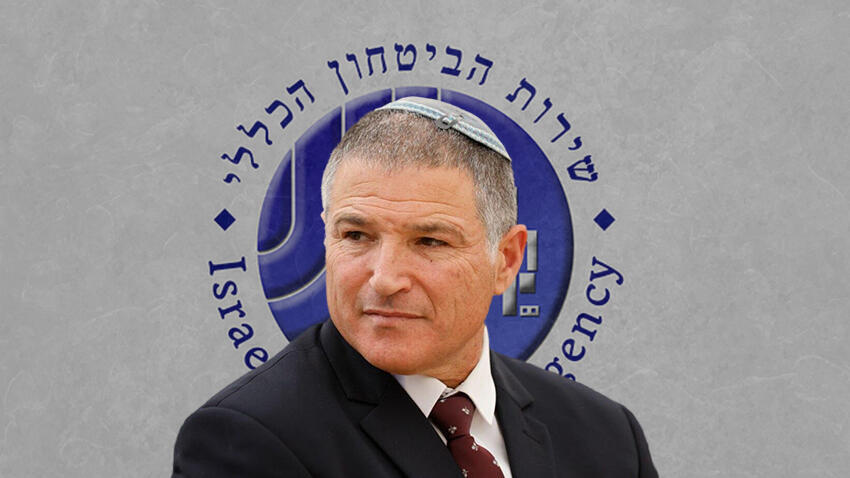
Shin Bet chief David Zini
(Photo: Olivier Fitoussi)
Her resignation follows the departure of A., the former head of the branch, who built the Shin Bet’s communications apparatus and turned it into a unit that attracted spokespeople from across the defense establishment. People familiar with the matter said the unit’s operations have deteriorated rapidly and steadily since A. left in late 2025.
For years, the Shin Bet operated without a formal spokesperson’s office. Under A.’s leadership, the agency underwent a major change, holding in-depth background briefings with journalists that helped explain processes at the heart of its security work. Over the past year, however, those briefings have almost completely stopped.
Security officials attribute the shift to the policy of current Shin Bet chief David Zini. They say Zini is deeply averse to media exposure, but the practical result has been the dismantling of an essential working tool.
“Let’s admit the truth: There is currently no functioning Shin Bet spokesperson’s office. That’s it. It’s over, and it’s not clear what will happen going forward,” a senior security official said.
The official said the communications branch had served as “the responsible adult,” helping channel sensitive messages and using background briefings to prevent harm to sources and classified information.
“This is an organization that already operates in secrecy, so even the little that existed for transparency and public oversight has disappeared,” the official said. “The people in the branch understood which way the wind was blowing and decided to leave.”
Dvir Kariv, a former Shin Bet official, described the situation as a destabilizing development that could affect the agency’s capabilities.
“Even when I was in the service, I argued that the system needed a spokesperson,” Kariv said. “This is a media arena where the organization simply is not present, and you cannot abandon such arenas in 2026.”
Kariv said the damage goes beyond public relations. “In the end, it harms security,” he said. “When you come to recruit an agent, you come with the organization’s image. If the image is at a low point because there is no media defense, especially against attacks on issues of nationalist crime, it will be much harder to recruit sources and thwart terrorism. That is our job, and abandoning this arena is a mistake.”