


Israel is preparing for a widening conflict with Hezbollah in Lebanon after the Shiite terrorist organization launched heavy rocket fire Wednesday evening toward communities in northern Israel.
According to assessments by IDF intelligence officials, Hezbollah has decided it is in its interest to enter a confrontation that would ultimately force a full ceasefire, one that would prevent Israel from maintaining the freedom of action it has had against the group since the end of Operation Northern Arrows more than a year ago.
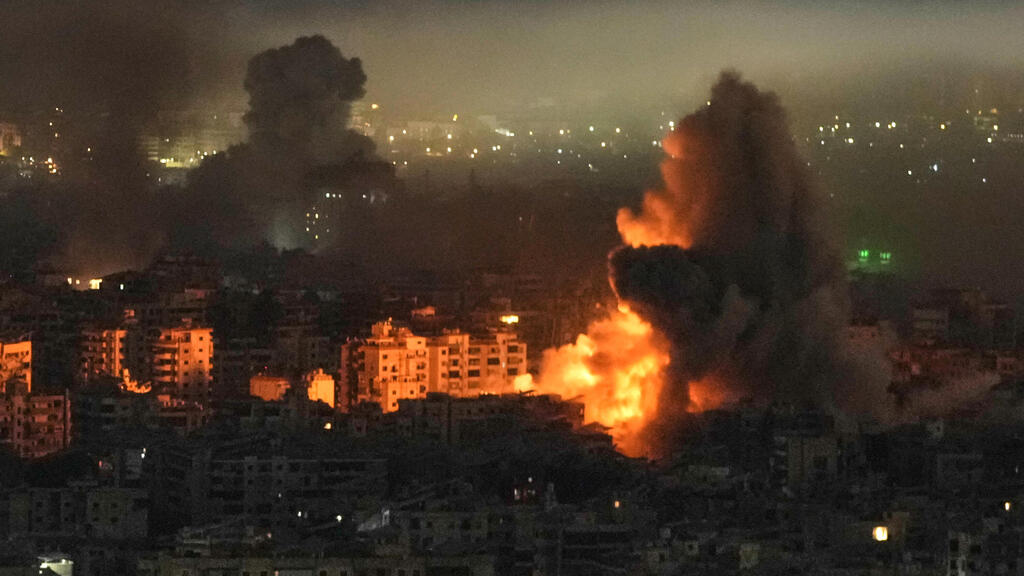
Israeli strikes in Beirut's Dahieh


An Israeli official warned that the region may be on the verge of a broad campaign in Lebanon that could require the mobilization of additional reserve forces.
A delayed surprise attack
In recent months, the IDF had prepared a major operation against Hezbollah. The plan was intended to deliver a powerful surprise blow against senior figures in the organization and its rocket-launching infrastructure.
The central idea was to significantly decapitate Hezbollah’s leadership while damaging its command and control structure, firepower capabilities and Radwan forces.
The plan, however, was postponed twice by Israel’s political leadership.
When the current war with Iran began, Hezbollah initially hesitated but eventually chose to join the Islamic Republic.
As a result of the war with Iran, Israel lost the element of surprise against Hezbollah. The IDF responded forcefully to Hezbollah’s actions, but not according to its original plan, since most aircraft, drones and strike units were allocated, understandably, to the more important theater in Iran.
Now, with the United States expected to intensify its attacks in Iran, the IDF may shift more resources back to the secondary arena in Lebanon.
That dilemma over resource allocation is currently at the center of discussions led by Prime Minister Benjamin Netanyahu.
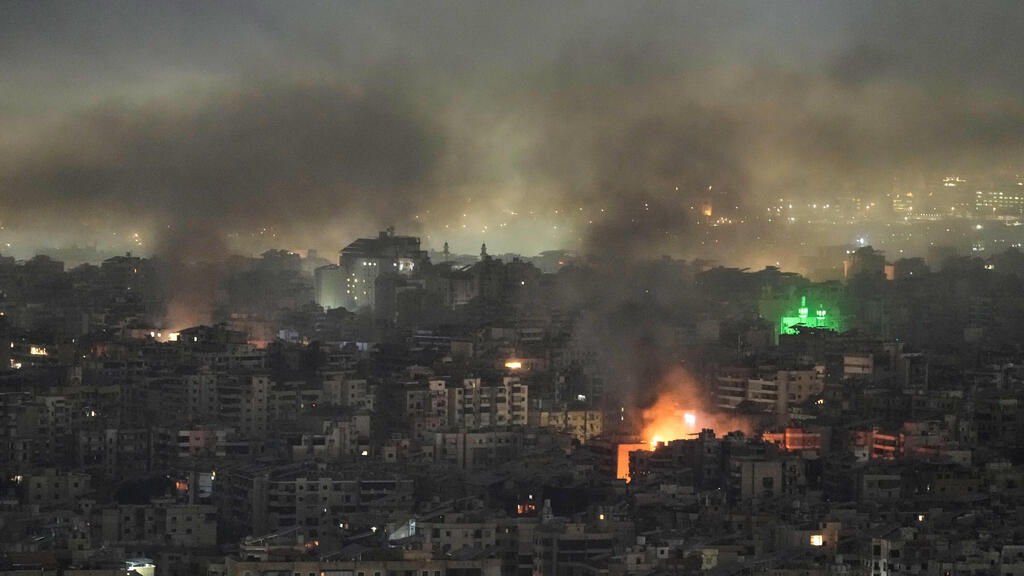
Beirut
(Photo: Bilal Hussein/ AP)
Preparing for escalation in Lebanon
Even before the recent escalation in the north, IDF Chief of Staff Lt. Gen. Eyal Zamir ordered the Golani Brigade to move from Gaza to Lebanon to support an expanded ground maneuver.
Over the past week, Hezbollah has targeted Israeli positions and forces operating along the border and inside southern Lebanon.
The operational goal is to push back the threat posed by anti-tank missiles and indirect fire against communities near the border.
Three division headquarters are currently operating in the area. Completing the mission will likely require a broad reserve mobilization.
Before the war the IDF maintained five permanent defensive outposts inside Lebanon. Today there are 18 additional fortified positions deeper inside the territory, where Israeli forces are tasked with hunting Radwan terrorists.
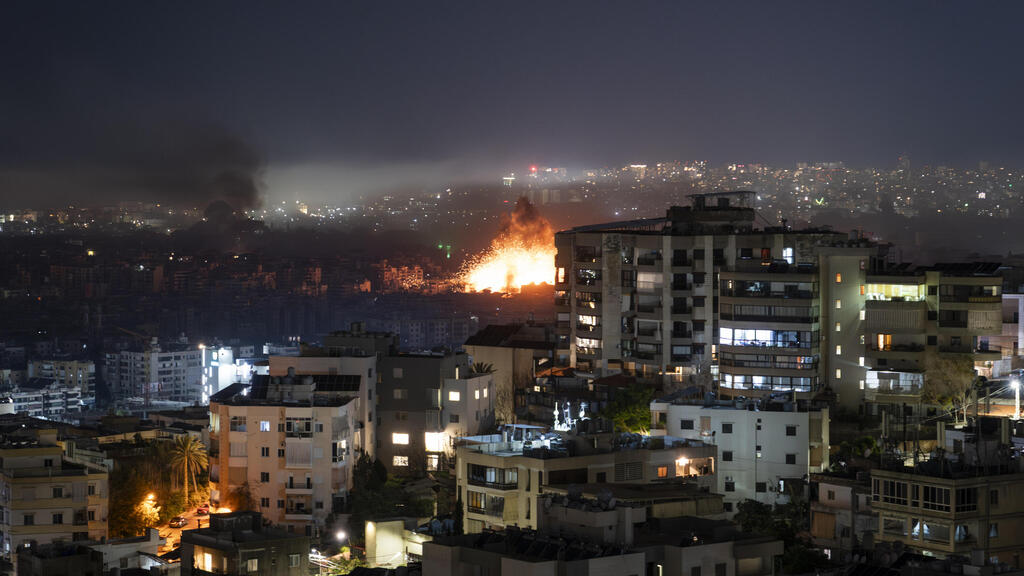
Dahieh
(Photo: Adri Salido/Getty Images)
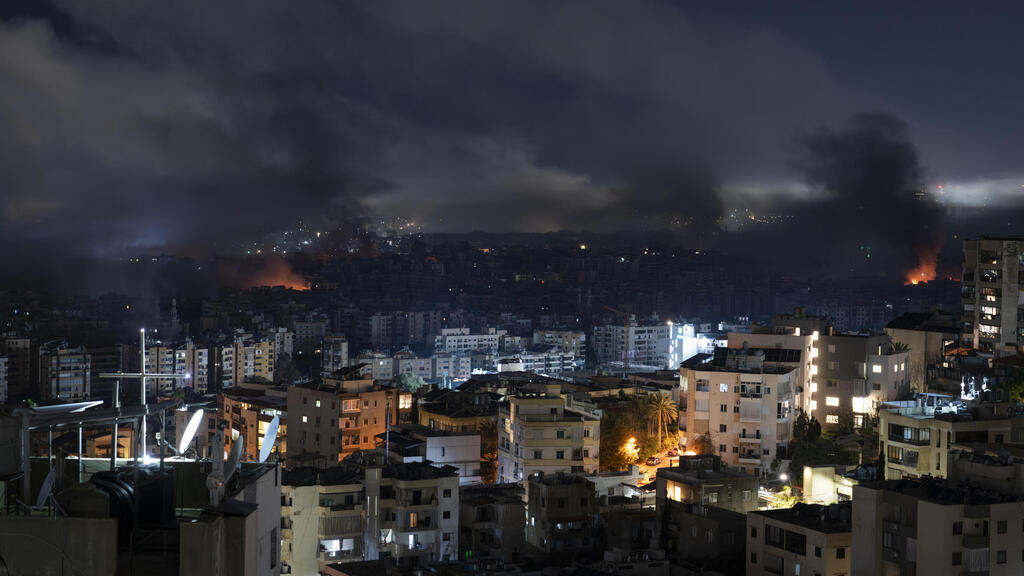
Beirut
(Photo: Adri Salido/Getty Images)
Hezbollah seeks a new equation
According to IDF officials, Hezbollah’s decision to expand its rocket fire suggests the organization is acting independently and aims to force Israel to scale back its enforcement policy in Lebanon.
“Hezbollah wants to create a new equation in which Israeli enforcement policy in Lebanon stops entirely and we no longer strike,” a senior Israeli official said.
“That will not happen. Therefore, the entire situation is heading toward serious escalation.”
Even before Wednesday’s attacks, Israeli authorities warned northern municipalities that rocket fire could intensify in the coming hours, prompting local officials to alert residents to prepare.
The warning raised questions about why Israel did not attempt to prevent the attacks in advance if intelligence indicated they were coming, or strike Hezbollah targets in Beirut’s Dahieh district earlier as a deterrent.
Heavy rocket fire across northern Israel
Hezbollah launched extensive barrages of rockets and drones on Wednesday evening toward Israel, from Kiryat Shmona to Haifa, and announced a new operation against Israel.
One rocket struck a home directly in the Lower Galilee village of Bi’ina. Israel’s Magen David Adom emergency service reported two people were lightly wounded in the attack.
The IDF responded with a wave of strikes in southern Lebanon and in Beirut’s Dahieh district, Hezbollah’s stronghold.
IDF Arabic-language spokesman Col. Avichay Adraee issued an evacuation warning to residents of Dahieh.
“The IDF will act very forcefully in the near future against Hezbollah assets, operatives and weapons,” he said, urging residents to evacuate immediately and not return until further notice.
Israel braces for wider conflict
A senior Israeli official said Wednesday evening that Israel is approaching the start of a decisive campaign in Lebanon that could shape the future of both countries.
“We knew in advance about Hezbollah’s intention to fire a larger number of rockets tonight,” the official said.
“There is now a security discussion underway, and it appears the campaign in Lebanon will expand significantly.”
According to the official, Hezbollah believes that by escalating in Lebanon, it can divert Israel’s attention from Iran.
“Hezbollah thinks that if it drags us deeper into Lebanon, we will ease the pressure on the campaign against Iran,” the official said.
“But we are approaching the opening of a broad campaign that will require additional reserve mobilization.”