


After 100 days of intensive mobilization, including 80 days of determined fighting in Lebanon, the IDF’s 55th Reserve Paratroopers Brigade has completed another significant chapter in a campaign focused primarily on clearing the area between the border and the Yellow Line.
Security officials explained that capturing the territory was only the first stage, while clearing it was the main phase the forces moved into afterward. The soldiers encountered a complex reality along the Yellow Line and described staggering quantities of weapons uncovered in virtually every house, as well as the resilience of reservists who report for duty time and again despite the heavy personal cost.
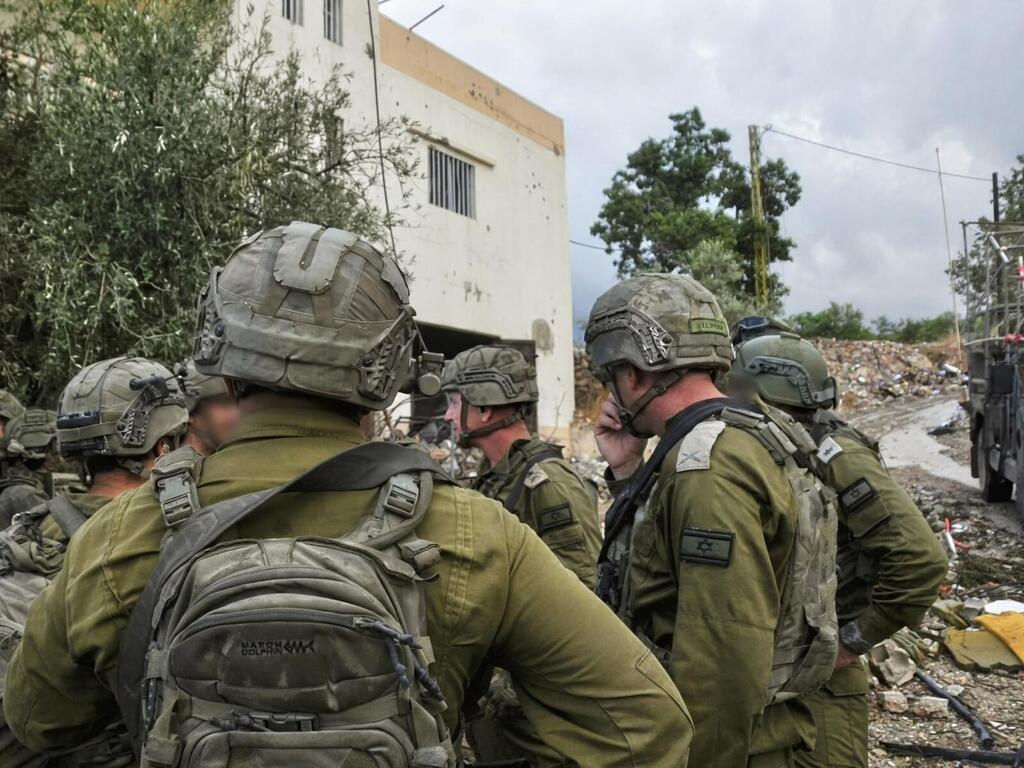
The 55th Brigade is now being replaced by forces from the Bislamach Brigade and by troops from the Gefen Battalion of the officers’ course. The forces are preparing for the difficult winter days in southern Lebanon, carrying out drills and improving key positions from which they will be able to maintain observation and fire control deep into the area. This marks a highly significant point, with concern that forces could settle into a routine of securing the defensive line without offensive activity, exposing them to a range of risks, from road and training accidents to erosion in the security of the Yellow Line. Remaining on a defensive line alone could also invite enemy attacks.
Against that backdrop, two operational accidents occurred over the weekend in which IDF soldiers were injured. In one incident, two IDF vehicles operating under the 36th Division collided, leaving several soldiers lightly wounded. In another incident in the western sector under the 91st Division, two soldiers were seriously and moderately wounded as a result of improper handling of a grenade. Such incidents are exceptional, but they also underscore the new reality the forces are entering in southern Lebanon.
After many months of strikes and proactive operations deep inside the territory, the forces are moving into a different mode of operation that they will have to adapt to, focusing now on forward and offensive defense and later on continued clearing of the area. The reservists of the 55th Brigade have completed an 80-day mission in Lebanon, with their main task focused on defending along the Yellow Line in southern Lebanon, where the sector extends up to 12 kilometers from the border.
The most distinctive and challenging feature of the mission was a pocket containing two villages that had not been fully cleared, Majdal Zoun and, in particular, al-Mansouri. According to security officials, the enemy used the period since the ceasefire to prepare the area thoroughly and in a threatening manner against the forces. During the brigade’s operations, more than 600 terror infrastructure sites were destroyed, including eight shafts, dozens of explosive devices and dozens of launchers found in homes and open areas, along with numerous weapons depots.
“Almost every house contained an unusually large stockpile of weapons. Often there were boxes of grenades, vests and helmets, and sometimes actual depots containing 20 to 30 weapons, enough to equip a platoon-size force,” a security official explained. During the operation, the forces employed all the capabilities at their disposal, captured both villages and eliminated many Hezbollah terrorists. At first, the terrorists were documented moving weapons inside homes, after which they were struck.
Another central mission was enforcing the security area after Hezbollah attempted to cross the Yellow Line and enter the zone in which the IDF is stationed. Around 10 terrorists were eliminated through a combination of tanks, the Air Force and drones. The assessment is that Hezbollah will continue trying to infiltrate pockets along the Yellow Line and again attempt to harm IDF soldiers.
‘An unusually large weapons cache was found in almost every house’
(Photo: IDF)
The operational concept on the ground has changed fundamentally since Oct. 7, and security officials stress that “the defensive component has become offensive and is based on deep security areas, based on the understanding that the army has learned that you don’t defend from the gate line. You defend Nahariya from Majdal Zoun, 12 kilometers deep, which creates depth in the defense, offensive defense, a large security area and margins that provide breathing room,” the senior official explained.
Regarding emerging threats such as explosive drones or fiber-optic drones, the IDF says they represent a significant operational challenge for the next maneuver. There is still no broad, systematic solution to the threat, and a number of systems are being tested, some of them in the field and some already distributed to soldiers. For the troops, the main focus in dealing with the threat is proper protection, along with timely detection and warning.
Alongside reports of strikes by such drones, many dozens are being successfully intercepted and defeated, while the 91st Division and Northern Command are engaged in a significant learning process. Northern Command officials say the current strategic starting point is particularly favorable for the next maneuver because the IDF is positioned along the deepest section of the Yellow Line and at jumping-off points toward Hezbollah centers of gravity. “Once the order is given, the forces are one night away from Tyre, which makes it far easier to tighten offensive capabilities,” a security official explained.
The challenge: the fighters’ families
Beyond the operational achievements, the heart of the issue remains the people. Some 4,500 soldiers from the reserve paratroopers brigade, many serving their fourth or fifth round of fighting, operated continuously through the holidays. The greatest challenge is on the family home front and in the prolonged strain of 100 days under reserve call-up orders. To provide as much assistance as possible, the brigade established a comprehensive family support system, ranging from activities for family members to contacting university lecturers to seek accommodations for reservist students and sending personal thank-you letters to employers for their consideration.
Ahead of the winter months, the forces prepared in advance to ensure full operational readiness. According to security officials, after the structures were equipped during the summer with generators, air conditioners and sanitation infrastructure, the troops are now staying for the Lebanese winter in protected compounds inside the villages rather than outdoors, while the routes were prepared in advance.
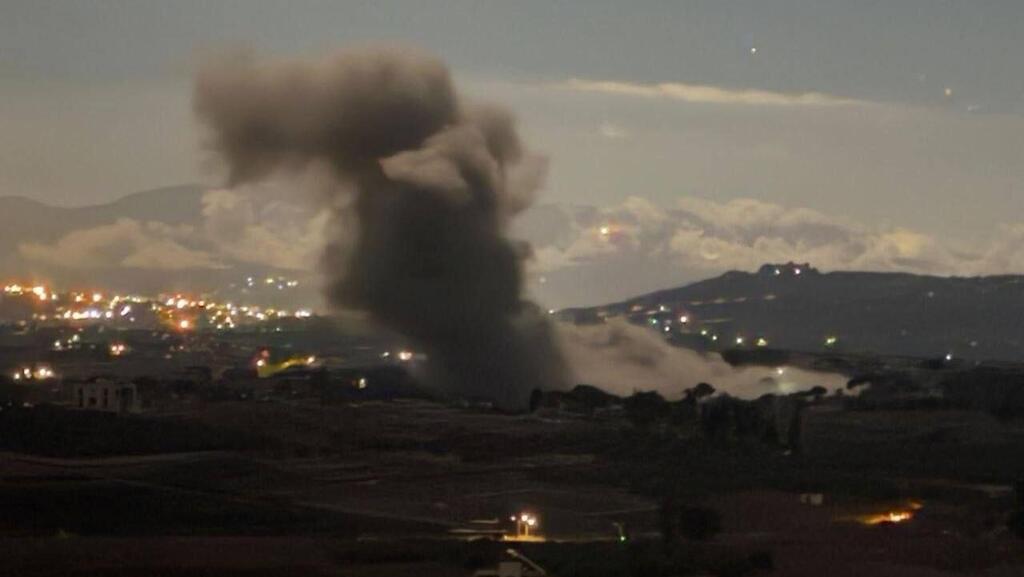
IDF strikes in southern Lebanon
With the current mission complete and the brigade returning to storage readiness, attention is already turning forward, and the forces are aware that they may be called up again in 2027 after debriefing and expectation-setting talks were held with them. Regarding the cumulative strain on the reserve force, security officials say the issue must continue to be managed carefully because the burden is substantial. The central challenge is the private sector, where soldiers called up order after order and the companies bearing the burden face real difficulties.
According to the officials, commanders are doing everything possible to take individual circumstances into account and act according to each soldier’s ability to report for duty. Security officials conclude that a threat cannot be allowed to remain close to the border, and therefore this activity and the continued presence there are absolutely necessary for defense and significantly reduce the threat of raids on northern communities in future rounds.