

U.S. President Donald Trump has publicly signaled support for Iran’s anti-government protesters and suggested that negotiations with Tehran are over, but people close to the White House say he has sounded far less certain in private as his administration weighs the risks of military action.
Trump wrote on his Truth Social platform Tuesday that he had “cancelled all meetings” with Iranian officials and urged protesters to keep demonstrating, promising that “HELP IS ON ITS WAY.” Asked to clarify what that meant during an appearance in Michigan, Trump declined, telling reporters, “You’re going to have to figure that one out.”
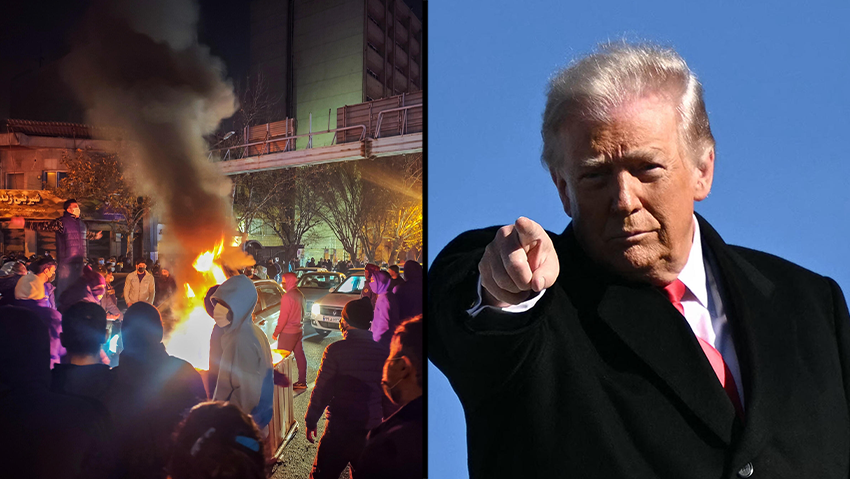
The message came as the White House convened senior officials to review military and non-military options in response to Iran’s violent crackdown on nationwide protests, now in their third week. Activists and opposition outlets estimate that more than 3,000 people have been killed, though figures are difficult to verify due to Iran’s near-total internet and communications shutdown.
Despite the president’s public rhetoric, people familiar with internal discussions told The Washington Post that Trump has expressed doubts in private conversations. Some described him as less enthusiastic than he was ahead of the US bombing of Iranian nuclear facilities in June. One person characterized the likelihood of a strike as “a coin flip.”
According to former officials and people close to the White House, arguments against military action include the risk of accidents or operational failure during high-risk missions, as well as concerns that the collapse of Iran’s government could result in a more militant regime or another failed state in the Middle East.
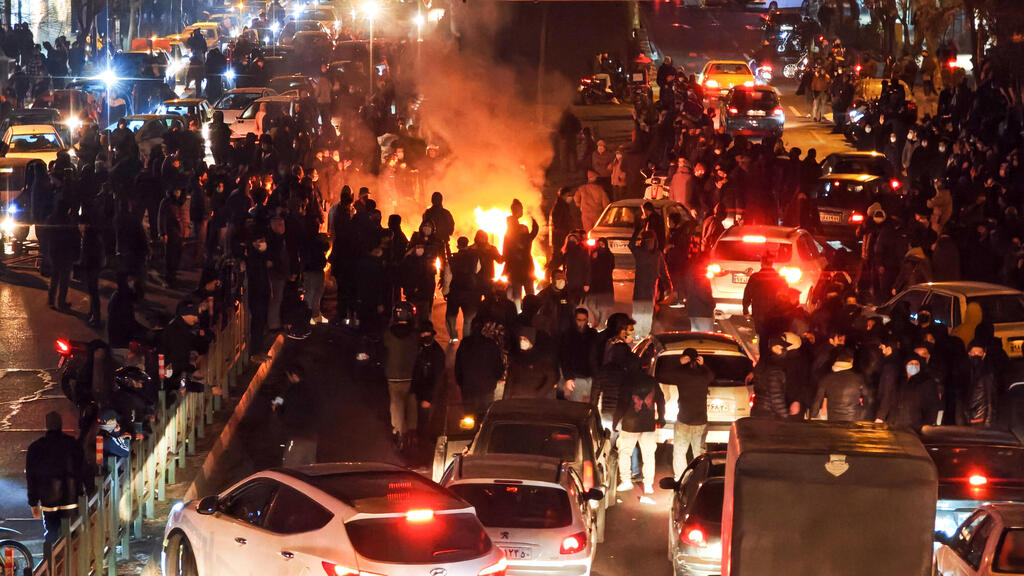
Iran protest
(Photo: Anonymous/Getty Images)
Those concerns are compounded by memories of the divisions within Trump’s political base that followed the June strikes on Iran’s nuclear sites, which some allies saw as contradicting his “America First” pledge to avoid overseas entanglements.
The National Security Council met Tuesday without Trump present to prepare options for him, a person familiar with the meeting said. Vice President JD Vance, Secretary of State Marco Rubio and other senior officials are presenting the president with a range of options without recommending a preferred course of action.
Donald Trump on Iran


Trump has repeatedly warned that the United States could use force if Iran continues killing demonstrators. Other options under consideration include stepped-up economic pressure, cyberattacks on Iranian government infrastructure and measures to counter Tehran’s efforts to block protesters’ communications.
Two European officials said their governments were asked this week to share intelligence on potential targets inside Iran. One of them stressed there were no indications that Trump was considering strikes on nuclear facilities, saying it was more likely the focus would be on leaders of security forces involved in the repression of protests.
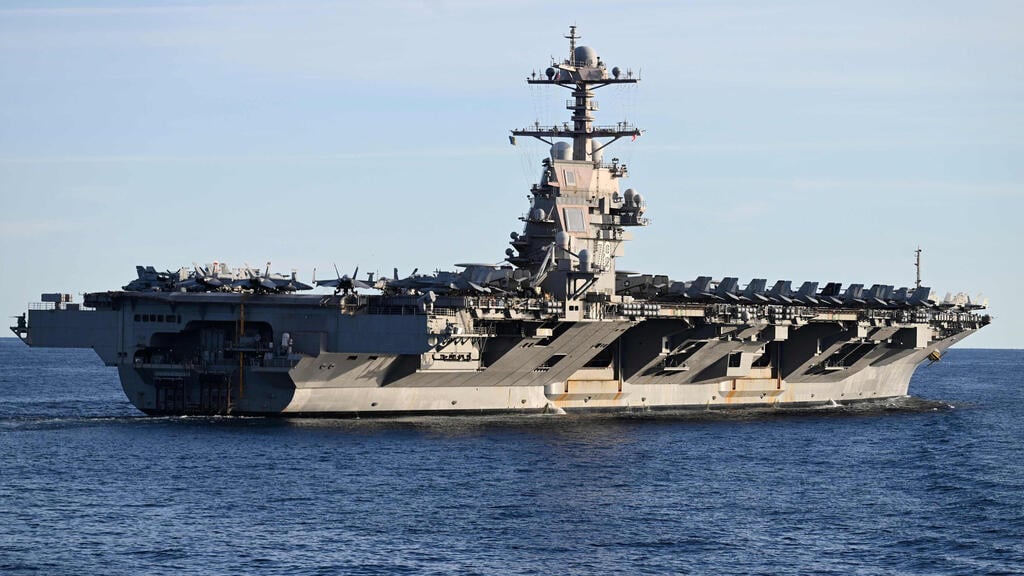
The US aircraft carrier Gerald Ford, which was moved from the Middle East to the Caribbean in November
(Photo: Jonathan Klein/ AFP)
Iran’s air defenses were significantly weakened by Israeli strikes in October 2024 and again during last year’s 12-day war, when the United States bombed Iranian nuclear facilities. Still, Pentagon officials are concerned about retaliation. Iran has warned it would strike US bases in the Middle East and Israel if attacked.
Those fears are heightened by the current US military posture. Aircraft, ships and special operations forces were redeployed from US Central Command in recent months to support operations near Venezuela, including the mission that led to the capture of Venezuelan leader Nicolas Maduro.
The aircraft carrier Gerald R. Ford was moved from the Middle East to the Caribbean in November, and the two other US carriers currently on deployment are in Japan and the South China Sea. A US official said there were no indications they would be sent to the Middle East.
“The administration right now just doesn’t have the assets in the region to do a full kinetic strike without risking retaliation,” one person familiar with the administration’s thinking told the Post.
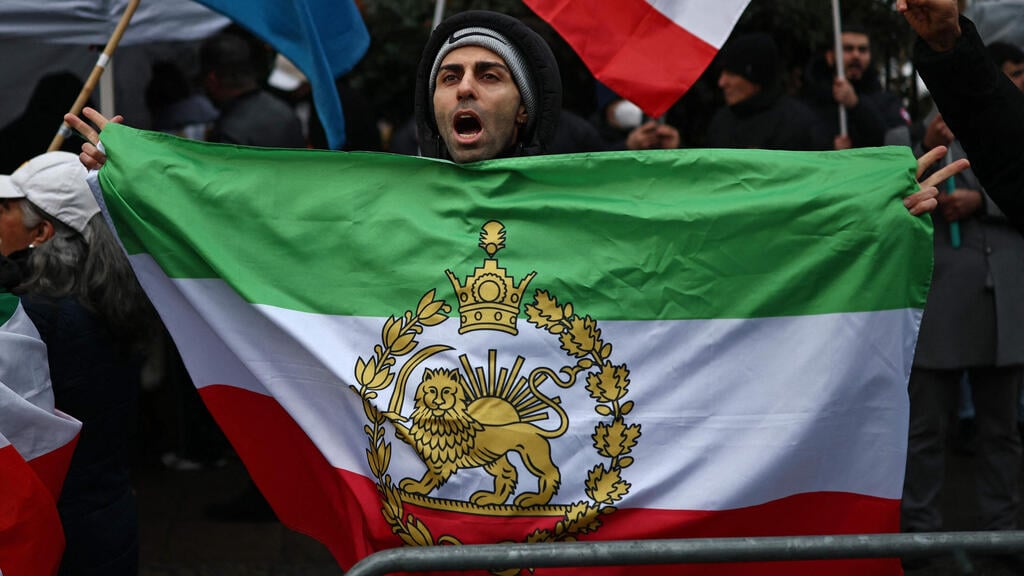
(Photo: Henry Nicholls/ AFP)
At the same time, US and Israeli demands on Tehran have expanded beyond the nuclear issue to include dismantling Iran’s ballistic missile program and ending support for proxy groups such as Hezbollah.
Regional governments, including Oman and Qatar, have sought to revive mediation efforts, but officials said they have received no response from Washington. A European official warned that Iran’s leadership is offering negotiations primarily to buy time, aware that Trump could face backlash from his MAGA base if he launches another military intervention.
“If President Trump steps back from pressure and enters talks while protesters are being killed and arrested, the regime may not only survive this moment but emerge emboldened,” the official said.
Analysts cautioned that while the protests have revealed deep public anger, expectations of imminent regime collapse may be unrealistic. Ali Vaez of the International Crisis Group said the regime is likely to suppress the current wave but is merely buying time.
“The system knows how to repress, not reform,” he said. “That means the confrontation between state and society is far from over.”
As Trump balances public threats with private doubts, the administration faces a familiar dilemma: whether to escalate pressure in the hope of meaningful change, or risk becoming entangled in another volatile Middle East conflict with unpredictable consequences.