


Likud's constitution committee is set to vote Sunday on a proposal backed by Prime Minister Benjamin Netanyahu that would eliminate primaries for the party's Knesset slate, replacing them with a selection committee while granting Netanyahu eight reserved slots among the top 30 candidates.
The plan represents a major departure from Likud’s traditional primary system and has surprised even senior figures inside the party. Netanyahu is seeking greater control over the slate ahead of the next election, amid poor polling, fierce competition among incumbents and concerns that several prominent ministers and lawmakers could be pushed into unwinnable positions.
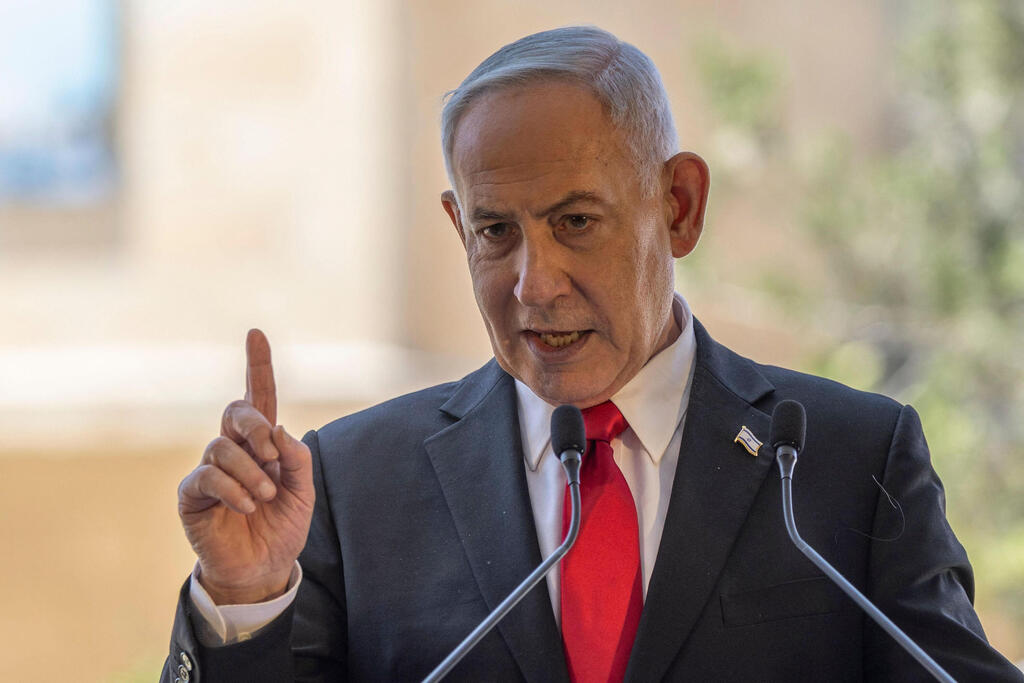
The committee will consider two proposals, both supported by Netanyahu. Under the first, Likud would retain a full primary and Netanyahu would receive eight reserved slots. Under the second, senior ministers and lawmakers would be ranked by a special committee, while party members would vote only for regional representatives and candidates competing for guaranteed-representation slots. Sitting lawmakers would also be permitted to run in those regional contests.
Netanyahu initially sought 10 reserved places within the first 30 positions, apparently expecting to compromise on a lower number. He then recruited several influential Likud-supporting mayors to promote the broader overhaul, which would allow a committee to place senior party figures while offering alternative routes for newer and lower-profile lawmakers.
The pressure stems from the number of incumbents competing for limited realistic positions. Likud currently has 43 serving ministers and lawmakers, partly because the so-called Norwegian Law allows ministers to resign from parliament and be replaced by candidates lower on the party slate. Once new candidates and Netanyahu’s reserved positions are added, more than half of the current officeholders could be left without a realistic chance of returning to the Knesset if Likud performs poorly.
Netanyahu has told party officials in closed meetings that shaping the slate will be critical to Likud’s election campaign. His effort initially met resistance from two powerful party figures, Haim Katz and David Bitan, who were concerned about their own positions and those of close allies.
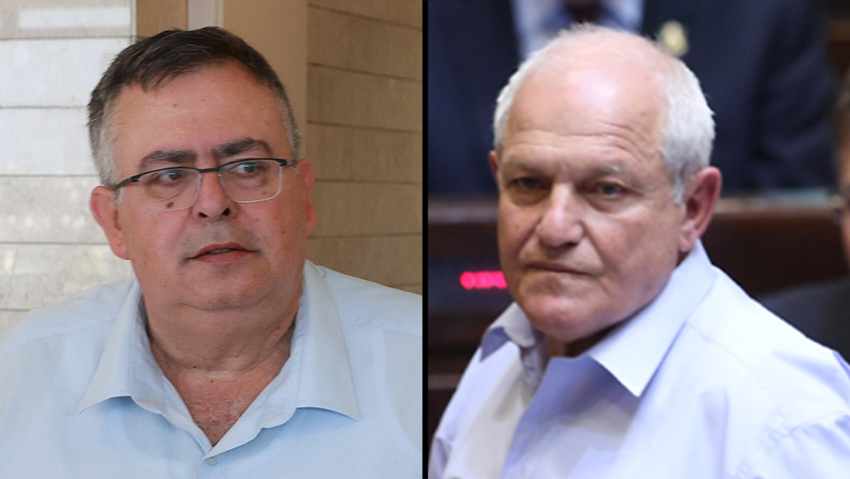
David Bitan, Haim Katz
(Photo: Alex Kolomoisky, Shaul Golan)
Katz was also seeking to protect lawmaker Eti Atia, a longtime political associate. Under a compromise, senior ministers and prominent lawmakers would retain positions similar to those they secured in the previous primary, while Atia would be allowed to compete for the Dan regional slot, where Katz has a strong political base. Bitan was also reportedly assured that the new arrangement would not damage his standing.
Netanyahu wants four of the eight reserved places for new candidates he is still evaluating through polling and public-opinion research. He is considering holding the remaining four for a possible last-minute agreement with Religious Zionist Party leader Bezalel Smotrich.
Such an arrangement could give four Religious Zionist Party lawmakers realistic positions on the Likud slate in exchange for Smotrich agreeing not to run independently. Netanyahu’s camp views the option as a way to prevent votes from being wasted on a right-wing party that may struggle to cross the electoral threshold.
The proposal faces opposition inside Likud, particularly from lawmakers who insist that party members must continue choosing the slate. Likud lawmaker Tally Gotliv rejected the selection-committee model and said there was no alternative to holding primaries.
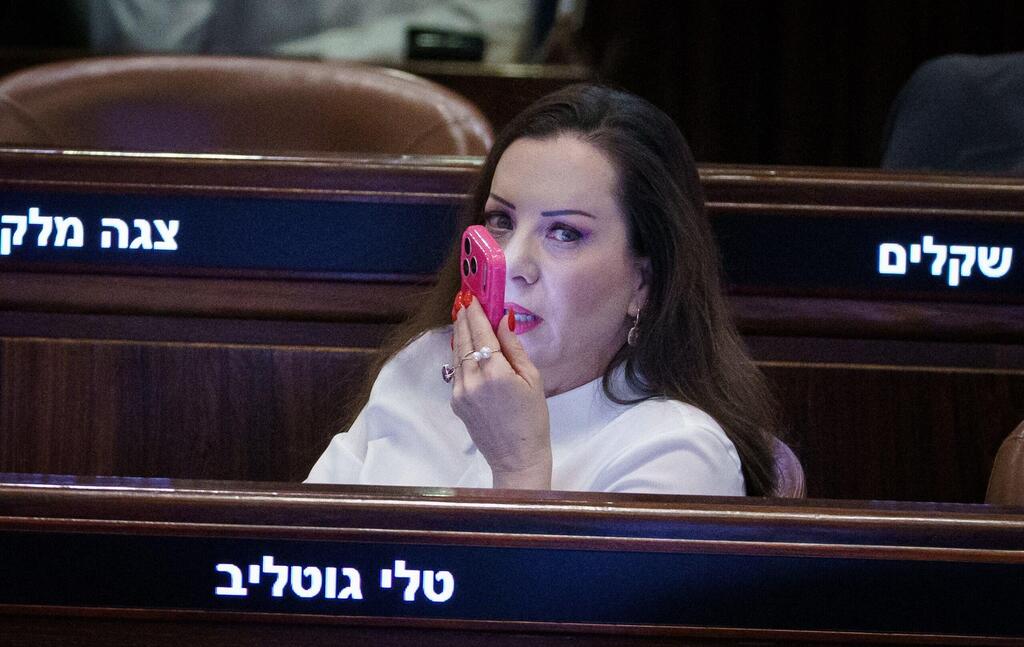
Tally Gotliv
(Photo: Shalev Shalom)
“There will be primaries in Likud. There is no other way,” Gotliv told ynet. “No selection committee will decide the fate of elected officials. Only the public will decide.”
“All the talk about a selection committee is meaningless and will lead nowhere,” she added. “We are a party with a future and a proud past, and what was will continue to be.”
Tensions have risen ahead of the committee vote, with Netanyahu backed by several powerful mayors who are expected to sit on the proposed selection panel. They include Modi’in Mayor Haim Bibas, who also heads the Federation of Local Authorities; Bat Yam Mayor Zvika Brot; Dimona Mayor Benny Biton; Nof HaGalil Mayor Ronen Plot; and Kiryat Ata Mayor Yaakov Peretz.
The plan was developed during a meeting between the mayors and Netanyahu and is intended to resolve internal resistance, protect selected incumbents and leave Netanyahu enough flexibility to bring in new candidates or secure a broader right-wing alliance.