

Against the backdrop of renewed efforts to restart U.S.-Iran nuclear talks and concerns that Tehran could continue advancing its nuclear program despite Israeli and U.S. strikes over the past year, experts warned Monday that the threat remains far from eliminated.
Speaking during Yedioth Ahronoth's National Security Conference, held in partnership with the Institute for National Security Studies (INSS), the panelists said Iran's nuclear program had been significantly damaged but not destroyed.
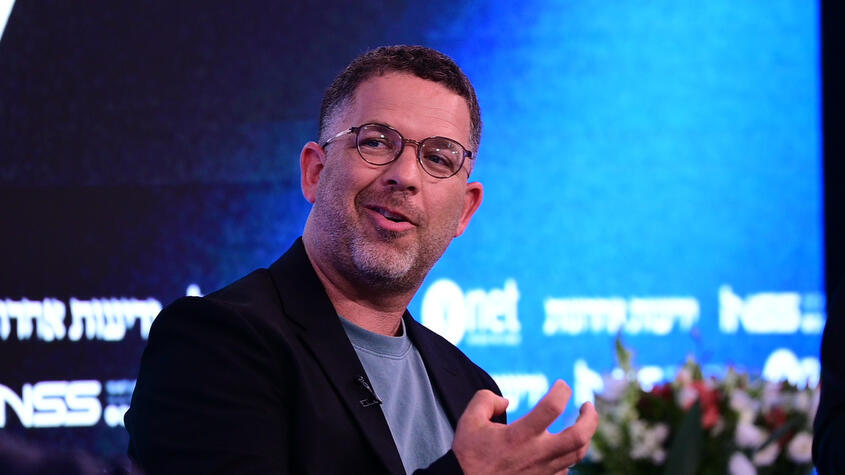
The discussion, moderated by Col. (res.) Assaf Orion, featured Avner Vilan, a former senior Israeli security official; Sima Shine, former head of the Mossad's Research Division and now a senior researcher at INSS; and Danny Citrinowicz, the former head of the Iran branch in Military Intelligence who also serves as a senior INSS researcher.
Vilan said recent military operations had damaged Iran's main uranium enrichment facilities and parts of its weapons development infrastructure. However, he warned that Tehran still possesses about 450 kilograms (992 pounds) of uranium enriched to 60%—a short technical step away from the 90% needed for weapon-grade uranium, centrifuges that survived the attacks and the technical expertise needed to continue its nuclear program.
He also pointed to a new underground facility, known as "Pickaxe Mountain," which he said was built at a depth that makes it immune to conventional bunker-buster bombs.
"There is no single component that, if destroyed, would make Iran's nuclear program disappear," Vilan said.
Shine said the debate within Iran had shifted following the recent wars.

Sima Shine
(Photo: Yuval Chen)
"The dominant voices in Iran today are saying that nuclear weapons are a necessity," she said.
She warned that if Iran retains its stockpile of highly enriched uranium and continues operating advanced centrifuges, it could reach nuclear weapons capability within weeks. At the same time, she cautioned there is no certainty that Tehran will ultimately choose that path.
Citrinowicz argued that Israel did not launch its military campaign because Iran was on the verge of immediately producing a nuclear weapon.
"Anyone claiming Iran was about to launch a nuclear bomb at Tel Aviv has no connection to reality," he said.
Instead, he described the strikes as the exploitation of a strategic opportunity that did not fundamentally alter Iran's motivation.
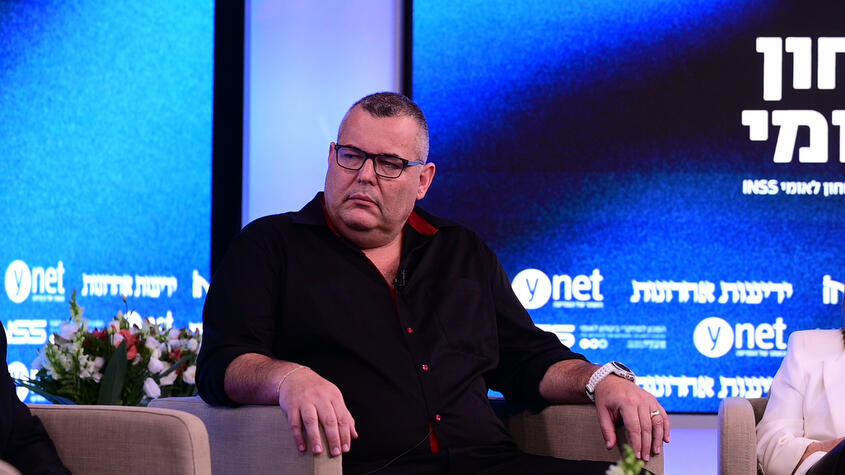
Danny Citrinowicz
(Photo: Yuval Chen)
"The leadership in Iran understands that nuclear weapons are the ultimate card to protect it from a future attack," he said.
Vilan disputed that assessment, saying Iran had become "too close for comfort" from Israel's perspective before the operation.
He said the combination of accelerated uranium enrichment, renewed activity in weapons development and increasingly aggressive statements by senior Iranian officials justified military action.
"We pushed the ball away from the goal, but the game is certainly still on," he said.
The panel also discussed the prospects for a new nuclear agreement between Iran and world powers.

The uranium enrichment facility in Natanz, Iran
(Photo: AP)
Shine said significant gaps remain between the sides and questioned whether a new agreement is achievable. While the United States has said it will continue monitoring Iran's nuclear program and act if necessary, she said it remains unclear whether that would be sufficient to prevent Tehran from advancing its program.
Asked what Israel should do next, Vilan called for combining intelligence gathering, covert operations, military pressure and diplomacy. He said international agreements should also be considered as part of broader efforts to delay Iran's nuclear program.
Shine warned against embracing the idea of an endless war with Iran.
"If the regime in Iran doesn't fall even in another 50 years, that cannot be the future of the State of Israel," she said. "That is a very dangerous way of thinking."