

The International Atomic Energy Agency (IAEA) said Tuesday evening in a classified report that it had resolved all outstanding questions in its investigation of Syria’s nuclear program under the Assad regime, and praised the current government of President Ahmed al-Sharaa for cooperating with inspectors. According to excerpts of the report published by Reuters and AP, IAEA Director General Rafael Grossi, together with a senior inspection team, recently visited a secret site whose existence was only disclosed to the agency in July, where inspectors found 73 metric tons of natural uranium metal.
Gallery
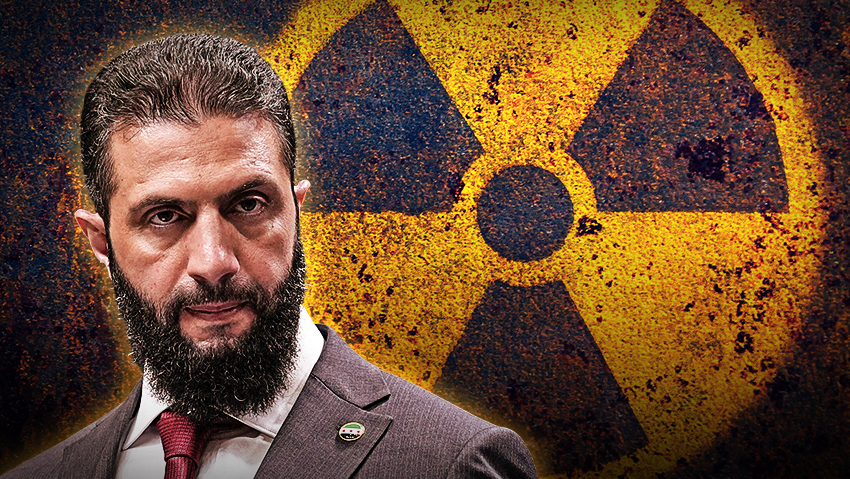
IAEA praises 'transparency': Syrian President Ahmed al-Sharaa
(Photo: Mehmet Ali Ozcan/Anadolu via AFP, Shutterstock)
Although reports on the document do not say so explicitly, the site may be the same secret facility reported on last month by Axios, known as “Site 99”. According to that report, the site was originally developed as part of the Assad regime’s covert nuclear program and stored nuclear material connected to the reactor project at al-Kibar, the reactor Israel bombed in 2007.
The Axios report said that, with U.S. mediation, an agreement had been reached to remove the nuclear material from the site amid Israeli concern over its continued possession by Syria. But several days later, Syrian Foreign Minister Asaad al-Shaibani said the material would remain under Damascus’ control for “peaceful purposes”, adding that “Syria has the right to use the material for civilian purposes.”
A U.S. official told Axios last month that the material at the site included “yellowcake,” a uranium powder that can later be processed and enriched as part of the nuclear fuel cycle. Although the material at the site cannot be used directly to manufacture a nuclear weapon, the report said it could be used to make a “dirty bomb,” a conventional explosive device that disperses radioactive material to contaminate a specific area rather than create a nuclear explosion.

The reactor at Al-Kibar that Israel attacked in 2007, before and after. There was also another secret storage site
Israeli officials said the IDF bombed the entrances to the site shortly after the fall of the Assad regime in late 2024 in order to prevent access to it. One official said Jerusalem made clear to the Trump administration that it would not agree to the nuclear material remaining at the site.
The new IAEA report does not explicitly say whether the location is “Site 99,” but the agency says Syria informed it of a new site in a July 17 letter and invited it “to cooperate with the Syrian authorities on safeguards and verification activities at the site and with respect to any nuclear material that may be present there.”
During the subsequent visit, led by Grossi, inspectors found 73 metric tons of natural uranium metal, meaning unenriched uranium. Of that amount, 55 metric tons consisted of natural uranium in the form of “clad fuel rods.” The IAEA also reported that “all of this nuclear material is now under agency containment and surveillance measures.”
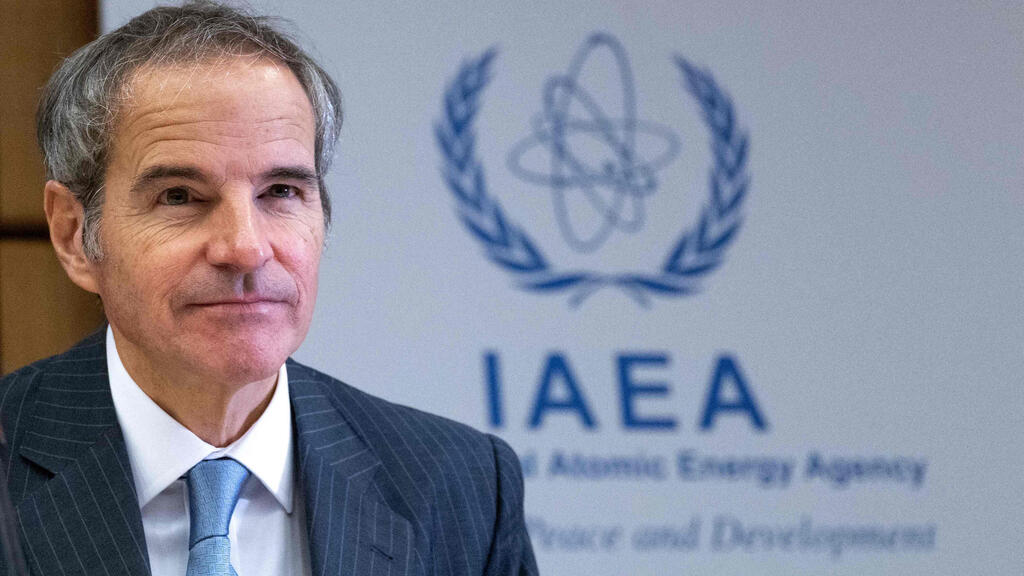
IAEA head Rafael Grossi. He personally visited the site
(Photo: Joe Klamar / AFP)
The agency said in the report that it had closed its investigation into the secret nuclear program operated during the Assad era, confirming what had been known for years: that the al-Kibar facility bombed by Israel in 2007 was a nuclear reactor.
The report said this was verified during an August 28 visit by an IAEA team to the site, which had been deliberately demolished by the Assad regime after the Israeli strike. According to the report, inspectors reviewed progress in excavations at the destroyed site and uncovered “cooling infrastructure consistent with that of a nuclear reactor.”
The IAEA also praised the al-Sharaa government for its “transparency and cooperation,” which it said helped the agency clarify past activities and identify materials that remained in the country.
“The agency, having received from Syria the necessary information and access, was able to clarify and resolve the agency’s questions concerning outstanding safeguards issues previously reported to the Board of Governors,” the report said.
In a separate report Tuesday evening, the agency said it had been unable to resolve outstanding questions in its investigations of undeclared nuclear sites in Iran.