

Eitan Mor, who was freed about two months ago after 738 days in Hamas captivity in Gaza, spoke to the newspaper Makor Rishon about his abduction on Oct. 7, the harsh days in captivity, his conversations with Izz al-Din al-Haddad and the criticism directed at his father, Tzvika Mor, during his captivity.
Mor, 25, was abducted from the Nova music festival near Reim, where he was working as an unarmed security guard. Before he was taken, he managed to help other revelers who came under attack by terrorists, together with his friend Elyakim Libman, who was killed that day. At one point, he said, “We reached some hollow in the ground and hid there. We saw fires and heard gunfire. I told Rom Braslavski, who was also abducted, that I had seen bodies of young women I wanted to evacuate. The two of us went and started carrying Shira Ayalon. I asked two others to help, and we placed her in a small recess. Then we went to take someone else who had been severely assaulted, but we didn’t make it in time.”
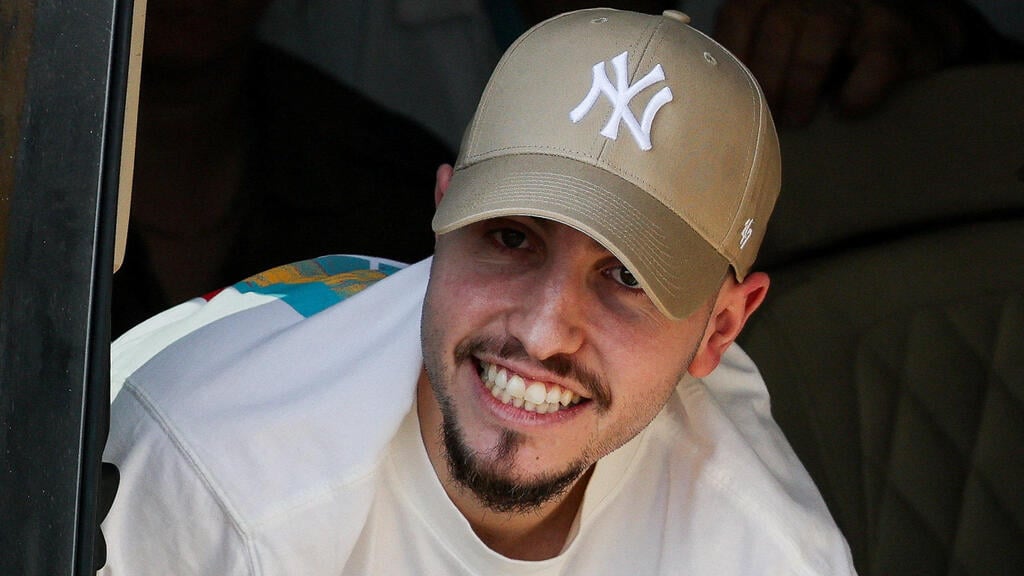
Mor was abducted when he returned to the festival grounds to search for Libman, together with Braslavski. “On the way, we see people dying and collapsing, and you can’t help them. There’s nothing you can do,” he recalled. “Suddenly, three gunmen wearing vests come toward us, shouting in Arabic to stop. They were about 30 meters away. We started running, and honestly, I don’t know how I stayed alive. They shot at us, and the bullets whistled past my head.”
They spotted security ATVs and Braslavski asked if they should try to start one. “I told him we wouldn’t make it and that it was better to keep running,” Mor said. “We managed to escape them, but later we were caught by civilians.”
“Five people grabbed Rom and threw him to the ground, two grabbed me,” he said. “One left and went to Rom, the other I managed to push away. I punched him and kept running. There was a small hollow in the ground with bushes and I jumped in. Then eight civilians caught me, some of them children, maybe third-grade age. They had knives, saws, hammers. All of them beat me with whatever they had. They put a knife to me. I was sure I was going to die. Then the biggest one said to me in English, ‘Either you die now or you come with us to Gaza.’ I said, ‘Gaza.’”
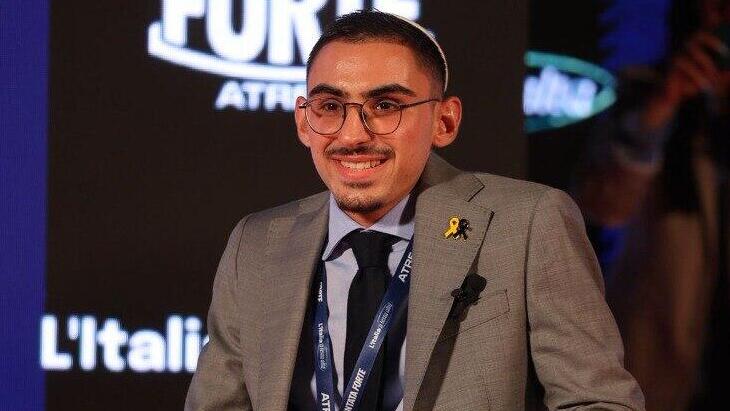
Rom Braslavski
Describing the drive to Gaza, Mor said he was beaten repeatedly but did not initially feel the pain. “I told myself this is the situation now, and I’m probably going to die, or they’ll cut off my hands, or I don’t know what Hamas will do to me there. I prepared myself for the worst,” he said. “When they filmed me, I made a thumbs-up sign. Right after that, they yelled at me to be quiet and pushed my hand down. I understood I was going to Gaza, who knows for how many years, who knows if I’d come back alive.”
“They dressed me like a Gazan, put a hat on me,” he said of his first moments in the enclave. “After about an hour, a gray jeep arrived, and they took me to a place near the Indonesian Hospital. I was sitting there, extremely tense. I thought I was the only hostage.” After more than an hour, Izz al-Din al-Haddad, the Gaza Brigade commander who is now considered the head of Hamas’ military wing, entered the vehicle.
“He was wearing a hat and started speaking to me in Hebrew,” Mor said. “He said, ‘Don’t worry, in two weeks you’re out of here.’ He took my details, my name, my father’s name, my ID number, my phone number and my father’s phone number.” Mor said he did not know who Haddad was at the time. “As time passed in Gaza, I understood. Over the following two years, I sat with him several more times.”
Mor believes Haddad genuinely thought he would be released quickly. “They thought the state would fold because of all the hostages,” he said.
“He’s actually a smart man, an intellectual,” Mor said of Haddad. “He studied the enemy, us, very thoroughly. He talked to us about how they planned Oct. 7 and showed a very broad knowledge about the army. I admit he knows more than I do, and I think more than most IDF soldiers, about the military. They are obsessed with us. They know a lot. I wish our security system would be just as obsessed with them from now on.”
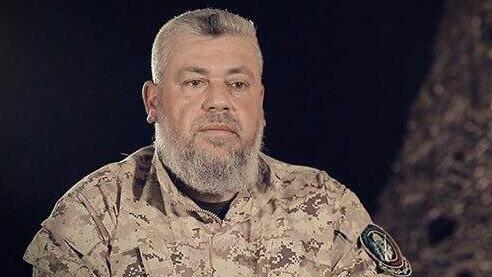
Izz al-Din al-Haddad
Describing his first days in captivity, spent in an abandoned warehouse, Mor said, “There were three hard days with my hands behind my back. I couldn’t sleep, I couldn’t lie down, nothing.” After three days, one guard showed some compassion and tied one of Mor’s hands through a hole in the wall so he could lie down. Another guard later shocked him with electricity, cursed him and stole his shoes. “They later brought me a pair that was several sizes too big. I kept falling in them,” he said.
About a month into the war, Mor was taken underground into a tunnel for the first time. “Honestly, I was happy, because the bombardments at the start of the war were extremely intense,” he said. “The army was bringing down buildings all around you. You just wait for death. Even the Hamas guards are very afraid, but they are less afraid of death.”
Mor said he spent much of his captivity alone and moved between locations. He learned Arabic, eventually reading books and speaking fluently. He described infrequent access to showers and severe punishment when caught taking food. “The hardest thing is getting a small meal that doesn’t satisfy you, and then waiting another 24 hours,” he said. “You tell yourself, ‘Think about your family,’ but your mind thinks only about food. You try to think about your grandmother, but somehow it drifts to the meatballs she makes.”
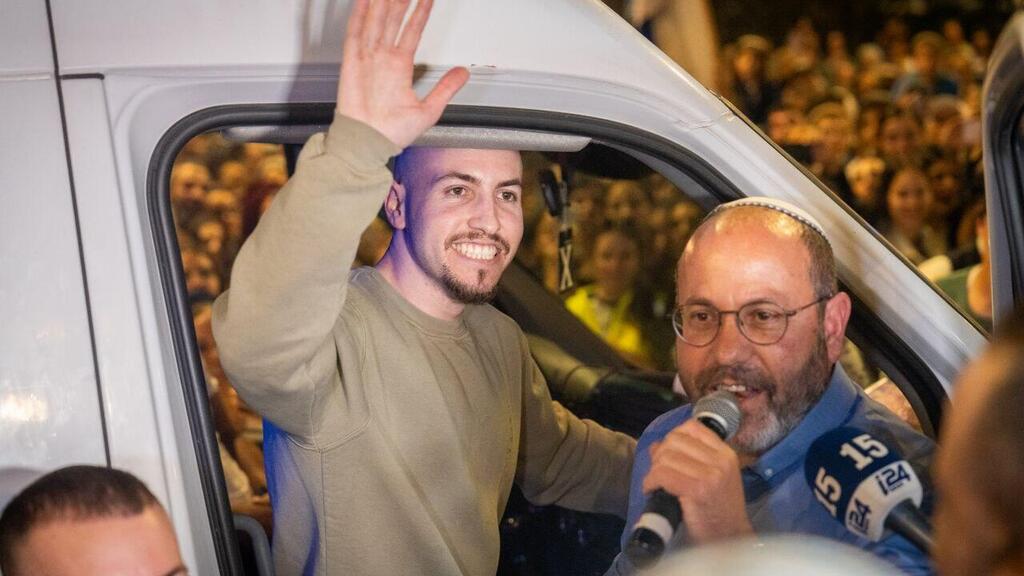
Eitan next to his father Tzvika Mor
(Photo: Shalev Shalom)
“The difficulty is the uncertainty, knowing I could die at any moment,” Mor said. “Being there is basically accepting death.” Over time, he said, he came to terms with the possibility he would die in Gaza. “That acceptance helped me live in the moment,” he said.
Mor also addressed comments by his captors about his father, Tzvika Mor, chairman of the Tikva Forum, who opposed hostage deals “at any price.” “Some captors told me, ‘Your father loves Netanyahu, he prefers to keep fighting us,’” Mor said. Haddad once told him that his father loved him but had his own methods.
“I salute my father. I admire him,” Mor said. “He’s strong, speaks the truth directly and respectfully, and thinks about the country before himself. I want to thank him for being strong for the whole family and for me.”
Mor added that his captors told him it made no difference whether someone was from Kiryat Arba or Tel Aviv. “To them, we’re all settlers,” he said. “They say they will fight to the death and carry out another Oct. 7. They raise their children for that.”