

An extreme heat wave that swept across Israel over the past week has left three people dead and more than 2,565 others seeking medical care, authorities said.
A 55-year-old man died from heatstroke in Tiberias, a 70-year-old man suffered a fatal heatstroke in Eilat and four-year-old Sahar Dyaa al-Kharoub from Arara in the Negev died after being left in a locked car, suffering heatstroke and burns, officials reported. Hospitals across the country treated numerous other severe heat-related cases.
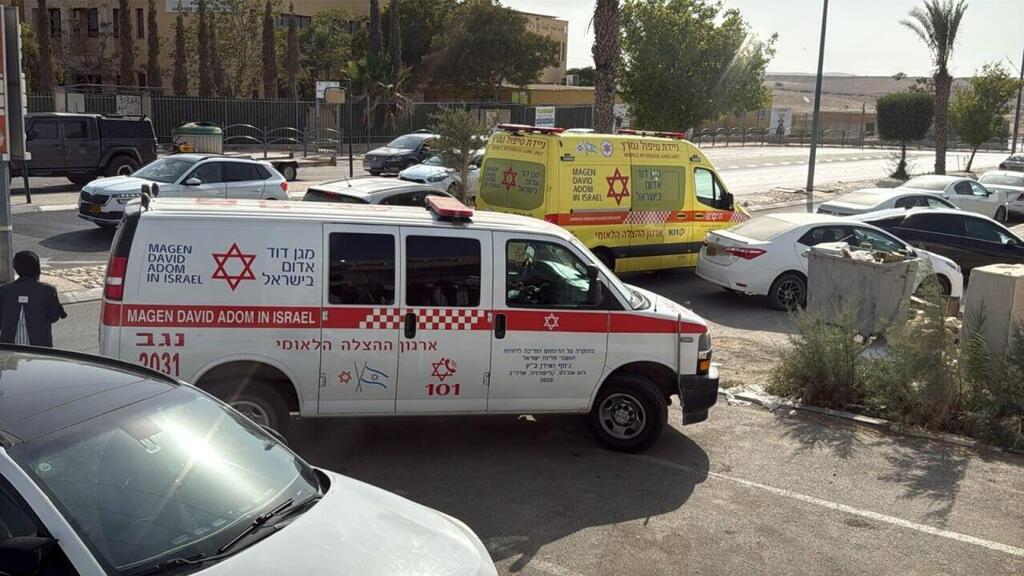
Magen David Adom (MDA) paramedics treated 2,565 people from Friday, Aug. 8 to Thursday, Aug. 15 for weakness, fainting, dizziness, confusion, altered consciousness and other heat-related conditions. Of those, 1,876 were transported to hospitals. While the numbers include routine emergencies not directly caused by the heat wave, MDA said high temperatures contributed to the surge.
In Tel Aviv, a 55-year-old man was found semi-conscious with signs of heatstroke and rushed to Tel Aviv Sourasky Medical Center (Ichilov Hospital). In Lod, a 70-year-old man was found unconscious in a garden with heatstroke symptoms and was treated at Shamir Medical Center (Assaf Harofeh) where his condition improved.
Dr. Moshe Scherist, head of emergency medicine at Shamir, described a 46-year-old man admitted with a body temperature of 43°C (109.4°F) in life-threatening condition. “The main treatment is cooling the patient with wetting, cold fluids, fans and ice applied to areas with high blood flow,” he said. The patient later regained consciousness and stabilized.
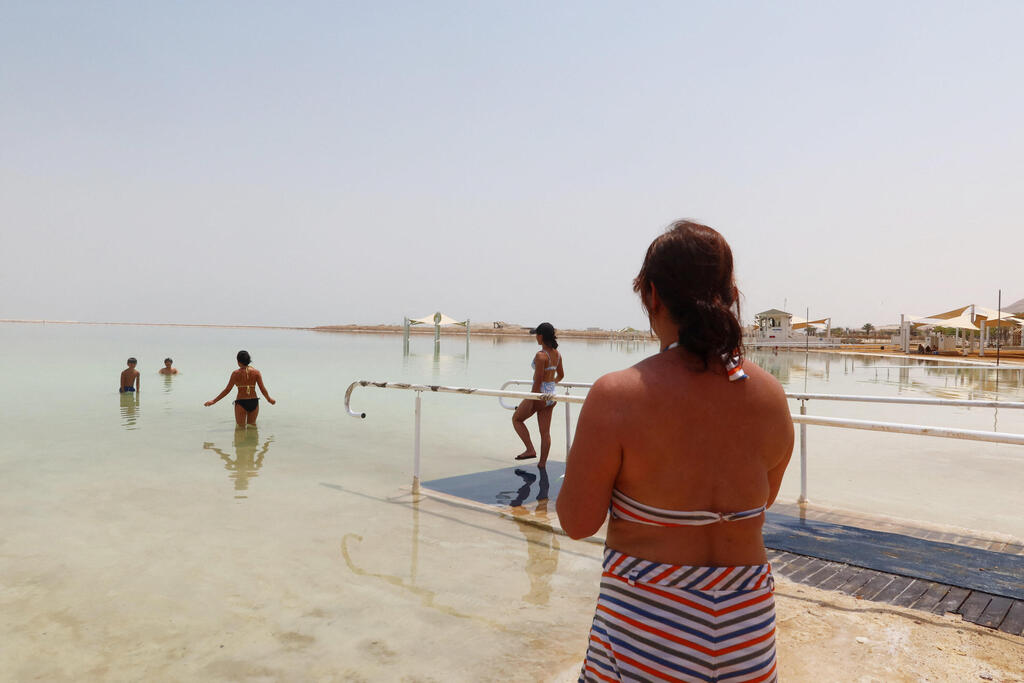
(Photo: REUTERS/Sinan Abu Maizer)
Shamir Medical Center also treated a psychiatric patient exposed to the heat without protection as well as several cases of dehydration. “We mainly treated people without means to cool themselves,” Dr. Scherist said. He stressed the importance of drinking water even if not thirsty.
At Wolfson Medical Center in Bat Yam, paramedics treated a 50-year-old man found unconscious with heatstroke signs. He was admitted in serious but stable condition. Dr. Andrey Shopen, head of emergency medicine at Wolfson, said symptoms included dizziness, weakness, nausea, confusion, rapid heartbeat, excessive sweating or dangerously high body temperatures.
“Those who failed to drink water, rest in the shade or protect themselves from the sun arrived with dehydration and suspected heatstroke,” he said, urging the public to stay hydrated and avoid sun exposure during peak hours.
In Safed, elderly patients without air conditioning were hospitalized for heatstroke. MDA also treated 10 Israelis en route to a concert in Amman for dehydration and exhaustion. The Israel Defense Forces released soldiers from a nearby Eilat base during the past week after many were left without air conditioning and limited water supplies.