

The image of Nicolás Maduro blindfolded, handcuffed and flown to New York marked one of the most dramatic U.S. interventions abroad in decades. But beyond Venezuela, the shockwaves from President Donald Trump’s order to seize the Venezuelan leader are now reverberating across the global balance of power.
Trump’s declaration that the United States will “run Venezuela” until a transition is completed has triggered alarm among allies, adversaries and international institutions, reviving memories of past American interventions and raising a deeper question: Has Washington just set a precedent others will follow?
Gallery
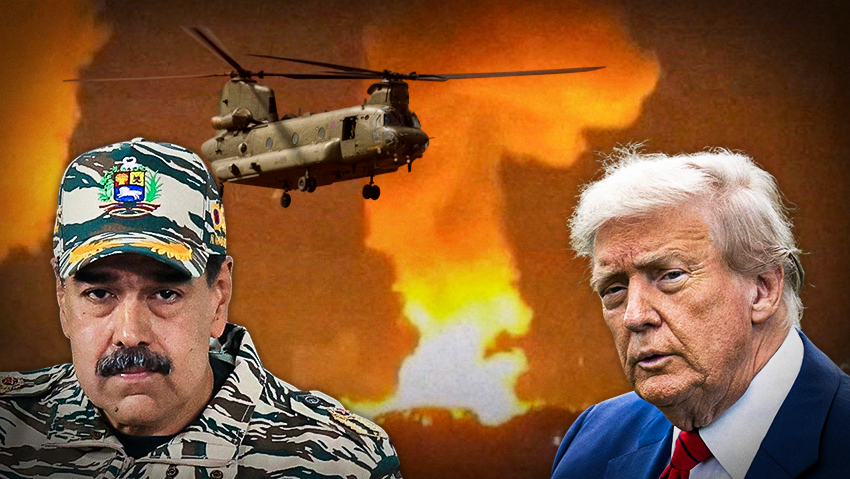
Nicolás Maduro and Donald Trump
(Photo: Saul Loeb/ AFP, Zurimar Campos/ VENEZUELAN PRESIDENCY / AFP, Shutterstock, Reuters)
The 63-year-old Maduro is being held at a federal detention center in Brooklyn and is expected to appear Monday in Manhattan court on sweeping drug trafficking and narco-terrorism charges first unsealed in 2020. His wife, former first lady Cilia Flores, was seized alongside him in the U.S. raid, while their son remains at large.
Maduro’s capture followed a coordinated U.S. operation involving airstrikes on military installations and a nighttime helicopter raid by U.S. special forces in Caracas. Trump watched the operation unfold live from Mar-a-Lago.
“This is a good night, isn’t it?” Maduro was heard saying upon arrival in New York, wishing his captors a “Happy New Year.”
‘We will run the country’
Trump made little effort to soften the geopolitical implications of the move. Speaking hours after the operation, he said the United States would assume control of Venezuela’s governance and oil infrastructure until what he called a “safe, proper and judicious transition” could be arranged.
“We will run the country until such time as we can do a safe transition,” Trump said, adding that U.S. energy companies would return to Venezuela and restore its crippled oil industry.
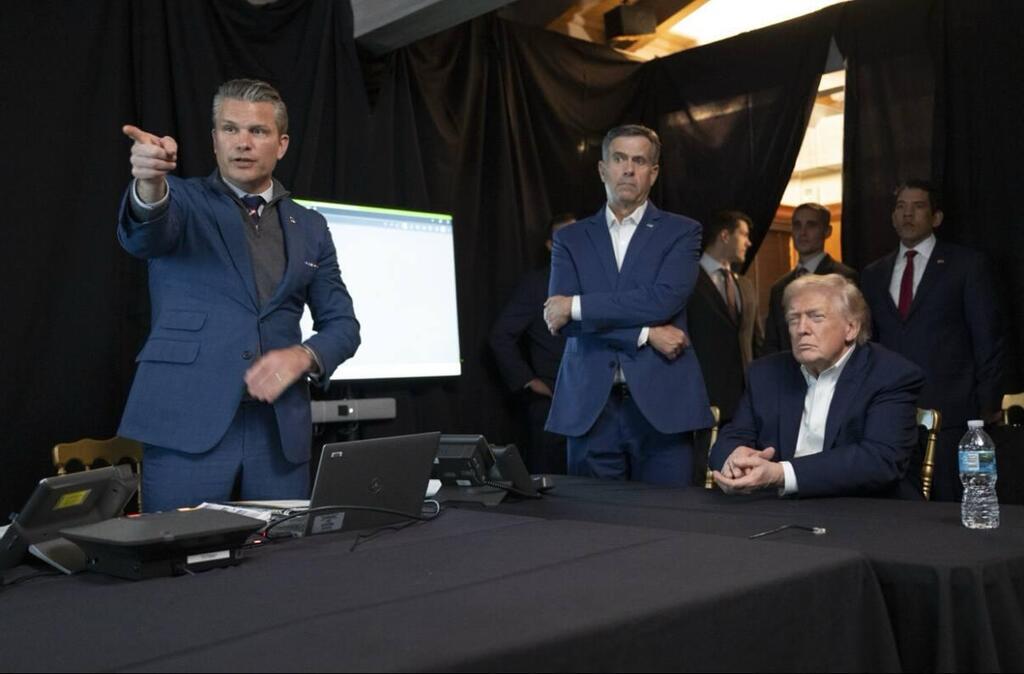
Trump during the operation
(Photo: The White House)
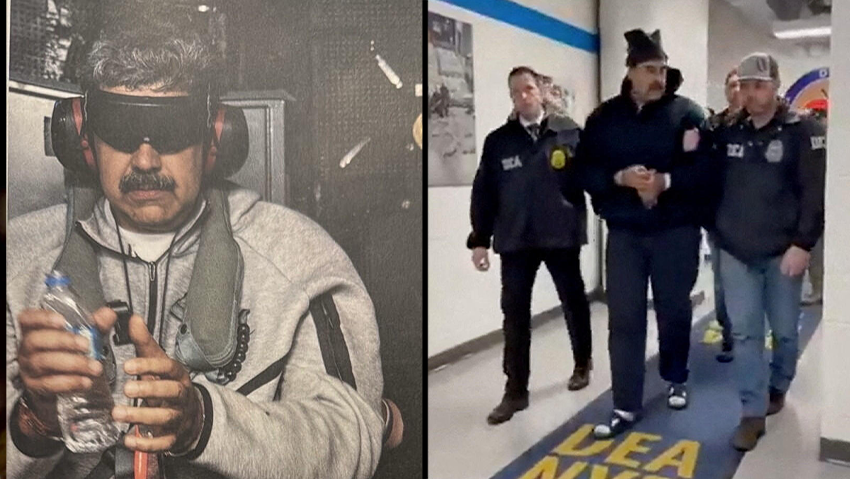
Maduro brought to New York
(Photo: RapidResponse47)
Venezuela holds the world’s largest proven oil reserves, but years of mismanagement and sanctions have left production in collapse. Trump openly framed the operation as both a law enforcement action and a strategic reset of U.S. dominance in the Western Hemisphere, invoking a modern revival of the Monroe Doctrine.
Critics argue that such language risks dismantling long-standing norms against forcibly removing foreign leaders, even unpopular ones.
“This is not just about Maduro,” said one Western diplomat. “It is about who decides when sovereignty no longer applies.”
Loyalists hold Caracas
Despite Trump’s assertions, power in Caracas has not collapsed. Maduro’s allies remain firmly in control of Venezuela’s security apparatus.
Vice President Delcy Rodríguez, who was sworn in as interim president under Venezuela’s constitution, defiantly rejected U.S. authority and insisted Maduro remains the country’s only legitimate leader.
“There is only one president of Venezuela, and his name is Nicolás Maduro,” Rodríguez said in a televised address flanked by senior civilian and military officials. “We will never again be a colony of any empire.”
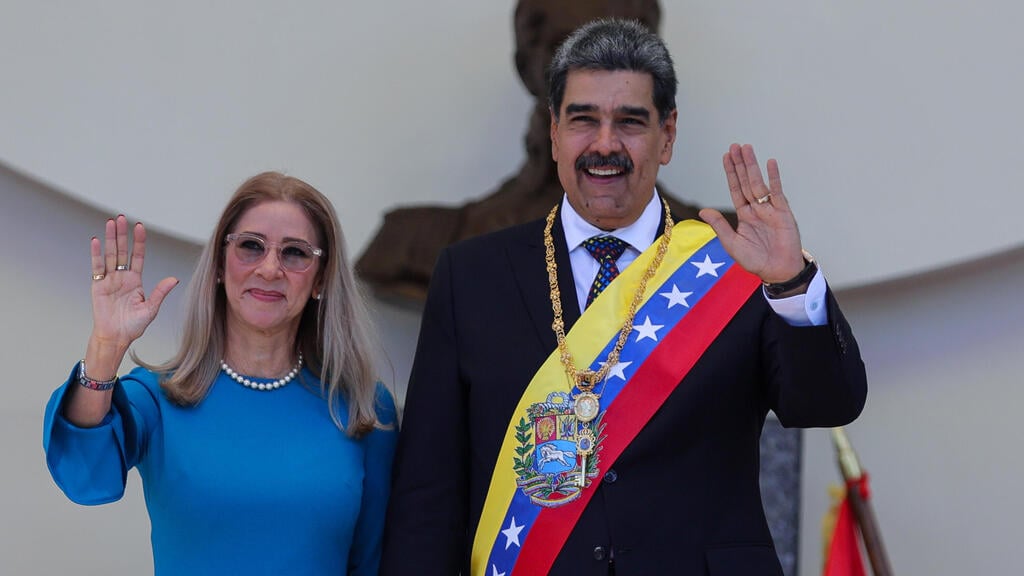
Cilia Flores, wife of Venezuelan President Nicolás Maduro
(Photo: Jesus Vargas/Getty Images)
Her appearance alongside National Assembly chief Jorge Rodríguez, Defense Minister Vladimir Padrino López and Interior Minister Diosdado Cabello signaled unity among the ruling elite, at least for now.
Cabello, widely regarded as the regime’s most ideological and hardline figure, has long exerted influence over Venezuela’s intelligence services and pro-government militias. Analysts say the resilience of this power structure makes regime change far more complex than removing Maduro alone.
Opposition sidelined
Trump has publicly dismissed the idea of handing power to opposition leader María Corina Machado, despite her status as Maduro’s most prominent domestic rival and a Nobel Peace Prize laureate.
Machado was barred from running in Venezuela’s 2024 election, which the opposition says was won decisively by her stand-in candidate, Edmundo González. Trump said Machado lacks sufficient support inside the country, disappointing much of the Venezuelan opposition and diaspora.
For many Venezuelans abroad, however, the fall of Maduro himself was cause for celebration.
“We are happy the dictatorship has fallen,” said Khaty Yanez, a Venezuelan living in Santiago, Chile. “Now we wait to see what comes next.”
Inside Venezuela, the mood was far more cautious. Streets were quieter than usual, and residents reported stocking up on food and medicine amid uncertainty.
“There is fear,” said Alejandra Palencia, a psychologist in Maracay. “No one knows what tomorrow looks like.”
Global backlash
The international response has been swift and sharply divided.
China condemned the operation as “hegemonic behavior” and demanded Maduro’s immediate release. Russia warned the U.S. was setting a dangerous precedent, while Iran and North Korea denounced the raid as imperial aggression.
The United Nations Security Council is scheduled to meet to discuss the seizure. Secretary-General António Guterres warned the operation risks undermining international law.
Pope Leo, speaking in St. Peter’s Square, said he was following developments with a “soul full of concern” and urged respect for Venezuela’s sovereignty and constitutional order.
“The good of the beloved Venezuelan people must prevail over every other consideration,” the pope said.
A dangerous precedent?
The sharpest criticism has focused not on Maduro himself, whose rule is widely viewed as corrupt and authoritarian, but on the precedent Trump’s action may establish.
Democratic lawmakers in Washington said they were misled in briefings and demanded clarity on how long U.S. forces might remain involved. Some Trump supporters have also expressed unease, fearing a drift away from the president’s “America First” pledge to avoid foreign entanglements.
“This sounds uncomfortably like Iraq,” said one former U.S. official. “Open-ended control, vague timelines, and promises it will pay for itself.”
Trump dismissed such comparisons, insisting the operation “won’t cost us a penny” because oil revenues would reimburse the United States.
Green light to rivals
Beyond Venezuela, analysts warn the operation could embolden other powers to act similarly in their own regions.
“If Washington claims the right to seize a foreign leader by force, what stops China from applying the same logic to Taiwan?” asked Sen. Adam Schiff. “Or Russia to its neighbors?”
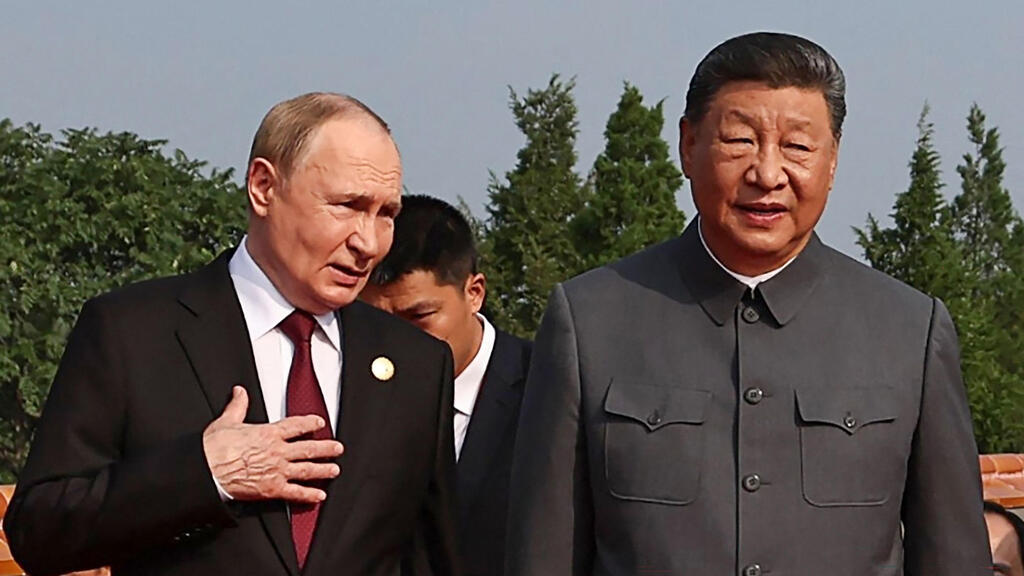
Russian President Vladimir Putin with Chinese President Xi Jinping in Beijing
(Photo: Alexander Kazakov/ AFP)
Progressive leaders echoed the concern. Sen. Bernie Sanders called the operation “a blatant violation of international law” that risks making the world less safe.
Former Trump ally Rep. Marjorie Taylor Greene offered perhaps the harshest rebuke from within the MAGA camp, arguing the move exposes a double standard.
“If this were really about drugs, why not bomb the cartels in Mexico?” she wrote. “This is about oil and regime change. And if it’s OK for us, why is it evil when China or Russia do it?”
Greene warned the operation could be used by Beijing to justify a move on Taiwan and by Moscow to escalate in Europe.
Echoes of Panama
Supporters of Trump’s move point to the 1989 U.S. capture of Panamanian dictator Manuel Noriega, which ultimately led to democratic elections and stability. They argue Venezuela could follow a similar path.
But critics counter that Panama was a far smaller, less complex case, and that the scars of Iraq and Afghanistan loom much larger in global memory.
For now, Venezuela remains in limbo. Maduro sits in a U.S. jail cell awaiting trial. His allies govern in Caracas. The opposition waits on the sidelines. And the world watches closely, weighing whether Trump’s gamble restores American dominance or opens the door to a far more dangerous era of global power politics.
As one European diplomat put it: “What happened in Caracas may not stay in Caracas.”