

U.S. intelligence assessments suggest that mass protests in Iran could erupt again as tensions rise over possible American military action and Tehran expands its drone capabilities, according to reporting by The Washington Post and U.S. officials familiar with the intelligence.
The assessments come amid reports that President Donald Trump has been briefed on a range of military options against Iran, including large-scale strikes on regime and Revolutionary Guard targets, as well as more limited attacks, cyber operations and tighter sanctions. Additional U.S. military assets, including ground-based air defense systems, are expected to be deployed to the Middle East in the coming days, the Post reported.
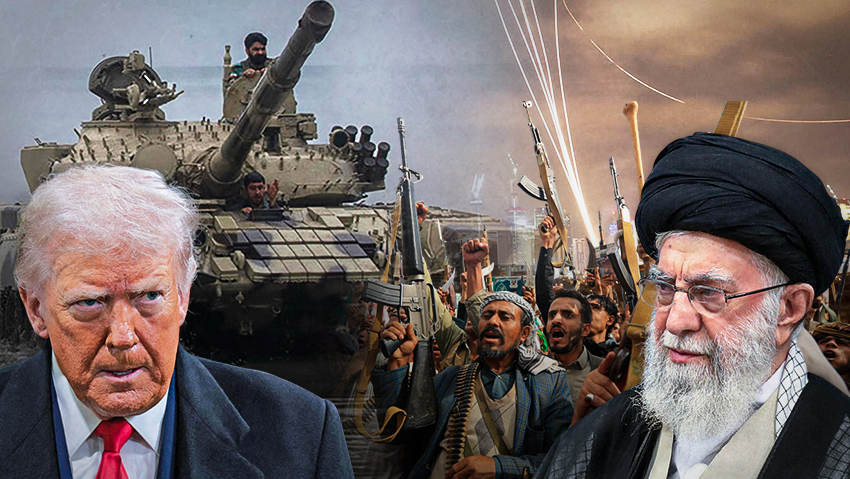
Trump convened a Cabinet meeting on Thursday but did not publicly address Iran. Defense Secretary Pete Hegseth said Tehran still has “every opportunity” to reach an agreement, while warning that Iran must not pursue nuclear weapons. “If they do, we are prepared to deliver what the president expects,” he said.
According to The Wall Street Journal, Trump has been presented with what officials described as a “big plan,” involving a broad bombing campaign against Iranian military infrastructure and the Islamic Revolutionary Guard Corps. Smaller-scale options would target symbolic regime sites while preserving the ability to escalate if Iran refuses to curb its nuclear activities. Other measures discussed include cyberattacks on Iranian banks and additional economic sanctions.
Iranian officials have issued renewed warnings. A military spokesperson said Iran would respond immediately and forcefully to any attack, adding that contingency plans are in place. He warned that a conflict would extend across the region, threatening targets from Israel to countries hosting U.S. bases.
Analysts told CNN that despite losses suffered by Iran and its allies in recent confrontations, Tehran retains several options, including missile and drone strikes against U.S. and Israeli targets, mobilizing allied militias and pursuing economic retaliation. Iran is believed to still possess roughly 1,500 missiles and drones capable of striking across the Middle East, a figure that may have grown as production resumed.
U.S. Secretary of State Marco Rubio noted this week that nearly 40,000 American troops are stationed at multiple bases within range of Iranian missiles and drones, calling the threat “real and immediate.”
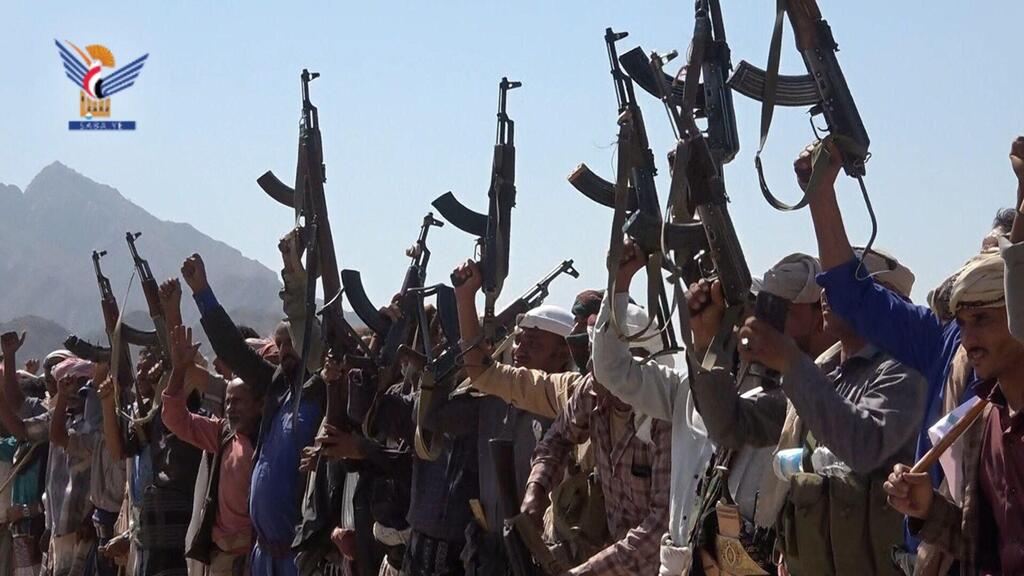
Houthis
Iran could also attempt to disrupt global trade by targeting shipping in the Strait of Hormuz, through which a significant share of the world’s oil and liquefied natural gas flows. Energy experts warn that even partial disruption could trigger sharp price increases, fuel inflation and risk a global economic slowdown.
Diplomatic efforts continue alongside the military preparations. Iranian Foreign Minister Abbas Araghchi is expected to travel to Ankara to seek mediation and avert a U.S. strike. Iranian officials said Araghchi has held intensive talks with counterparts in Egypt, Qatar, Oman, Pakistan, Turkey and the United Arab Emirates. Turkey has offered to host direct talks between Washington and Tehran.
Russia has also signaled willingness to help de-escalate tensions. Foreign Minister Sergey Lavrov said Moscow maintains relations with both Israel and Iran and is prepared to assist diplomatically, urging restraint despite warnings that a confrontation may be approaching.
U.S. intelligence officials believe renewed domestic unrest remains a key variable. After a harsh crackdown on recent protests, analysts assess that public anger inside Iran has not dissipated and could flare again under external pressure or internal shock, potentially reshaping the regime’s calculations in the event of a confrontation.