


Hamas submitted its response overnight between Wednesday and Thursday to the mediators regarding the proposal for a hostage deal and ceasefire in the Gaza Strip. In a post on Telegram, the organization stated, “We have conveyed our response and the response of the Palestinian factions.” Israeli officials familiar with the details confirmed that the response was received and said that Israel is “reviewing" it.
Against this backdrop, Strategic Affairs Minister Ron Dermer is set to meet in Sardinia, Italy, with U.S. Special Envoy for the Middle East Steve Witkoff and a senior official from Qatar. An Israeli official involved in the talks said Hamas’ latest reply “shows improvement compared to the response that was rejected by the mediators,” and that it “could serve as a basis for negotiations.”
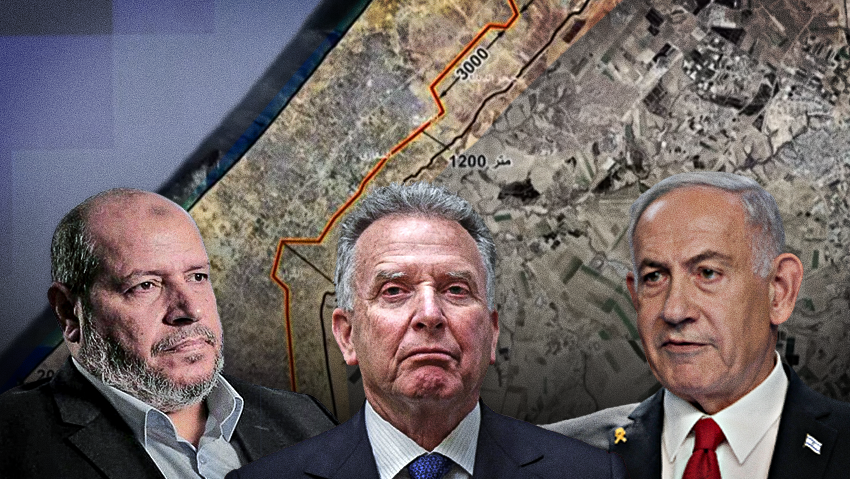
Hamas’ response came after mediators—Egypt, Qatar, and the United States—as well as Israeli officials, expressed disappointment with its previous answer to the latest Israeli proposal for a ceasefire and hostage release. That response was described as “simply unsatisfactory.” A political source said Wednesday that, both in Cairo and Doha, the reply from the terrorist organization was rejected and not even forwarded to Israel, with Hamas told: “ "Come back to us with a different answer, we are waiting."
A source familiar with the details said that Qatar and Egypt demanded that Hamas make improvements to its proposal in order to allow negotiations to continue. “If their updated response shows significant improvement, progress can be made,” the source added.
Senior Israeli intelligence officials have been briefed on the content of Hamas' reply, which was submitted to the mediators the day before, and the key points have been relayed to military, intelligence and political decision-makers.
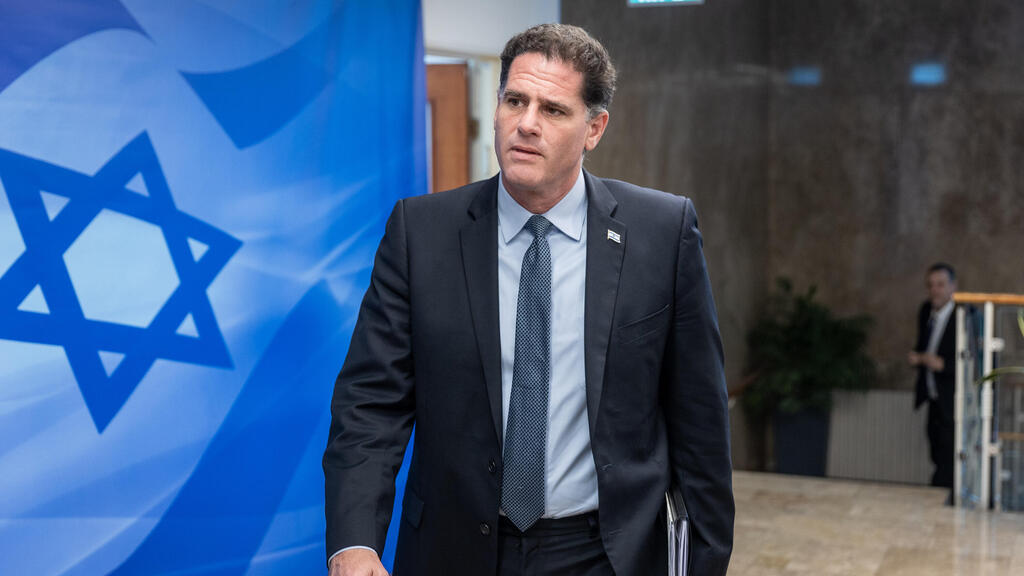
Minister for Strategic Affairs Ron Dermer will meet with the special US envoy to the Middle East and a Qatari official in Italy
(Photo: Emil Salman)
The rejected Hamas response highlighted several sticking points still causing major disputes:
First is the issue of maps and the depth of the Israeli withdrawal, particularly from areas captured since Israel renewed its offensive in March. Hamas is demanding a withdrawal from the vast majority of those areas, in line with the terms of the proposed January ceasefire — far more than Israel is willing to concede, even after offering compromises.
Second is the mechanism for releasing Palestinian prisoners. This issue ties into the broader and more dramatic point in the deal: guarantees for ending the war. Hamas reportedly lacks trust in the U.S. assurances — or more precisely, in how much pressure President Donald Trump would exert on Prime Minister Benjamin Netanyahu when the time comes to finalize an end to the war.
Get the Ynetnews app on your smartphone: Google Play: https://bit.ly/4eJ37pE | Apple App Store: https://bit.ly/3ZL7iNv
According to a senior official in one of the mediating countries, the American guarantees were delivered orally and not anchored in the actual agreement text. The final section of the proposal includes a general reference to the issue, but no firm commitment is made to turn the temporary ceasefire into a permanent one. The official noted that the U.S. pledge to transform the proposed 60-day ceasefire into a permanent agreement — including a full IDF withdrawal from Gaza — was conveyed separately and is not included in the memorandum of understanding.
Hamas fears that the ceasefire will not lead to a permanent arrangement and that Israel will not withdraw completely from the Gaza Strip, as the terrorist group demands. Jerusalem, meanwhile, continues to stress that no such commitment has been made by Israel, nor has the existence of American guarantees been publicly confirmed.
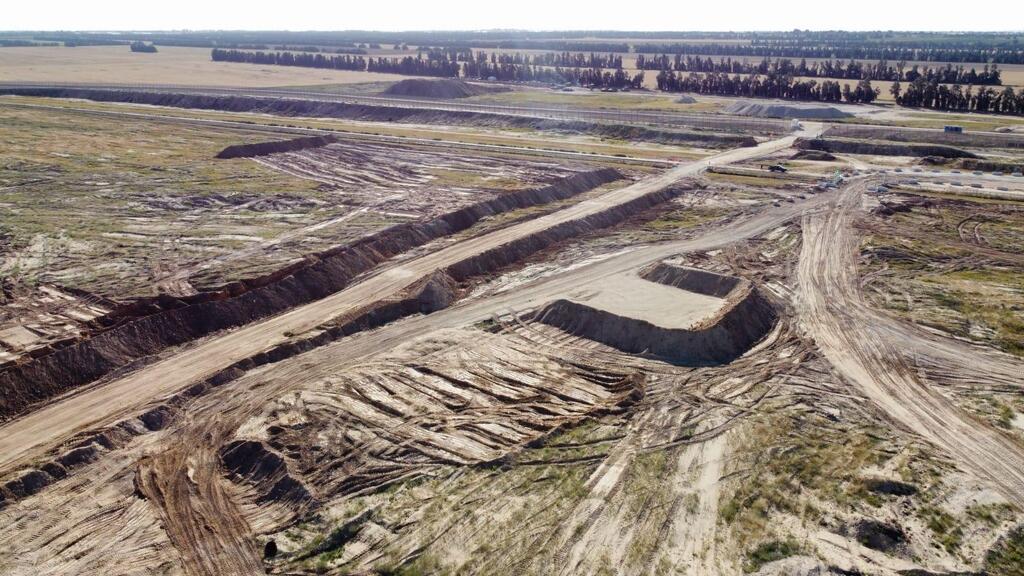
The Morag Corridor
(Photo: IDF Spokesperson's Unit)
Due to this distrust and internal divisions within Hamas’ leadership, some within the organization believe this should be treated as the final agreement. As a result, they are demanding the release of the largest possible number of prisoners — especially some of the most high-profile inmates held in Israel. These figures are considered national heroes by Hamas and were among those Yahya Sinwar vowed to free, a pledge cited as one of the reasons for the October 7 massacre.
Ron Dermer, who has been closely involved in the negotiations, said in private conversations — first revealed by Ynet — that he is “less optimistic today than he was yesterday” about a hostage deal. Nonetheless, he noted that “everything is very dynamic and could change within hours,” despite the disappointment with Hamas’s response.