


After Arab and Muslim states vetoed the appointment of former British Prime Minister Tony Blair to lead U.S. President Donald Trump’s proposed ‘board of peace’ for postwar Gaza, Washington is searching for alternative candidates. A leading name now being raised is Bulgarian diplomat Nickolay Mladenov, who served from 2015 to 2020 as the U.N. special coordinator for the Middle East peace process and now heads the diplomatic academy for UAE cadets in Abu Dhabi.
Mladenov, 53, is considered one of the most experienced international diplomats on the Israeli-Palestinian conflict and the wider Middle East. During his U.N. tenure, he was repeatedly credited with helping prevent flare-ups between Israel and Hamas terrorists. He is widely seen as having earned the trust of both Israel and the Palestinians.
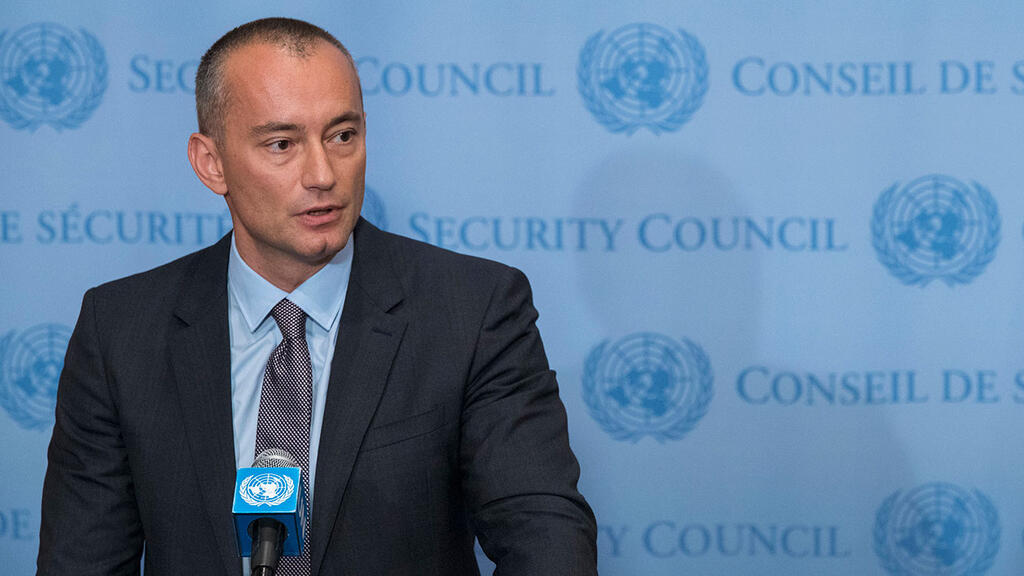
He was among the most active U.N. mediators in recent years and gained extensive experience with Gaza reconstruction after previous rounds of fighting. Following the 2018 border protests and the wave of incendiary kites and balloons from Gaza, Mladenov played a central role in efforts to prevent a major escalation. At least twice, working closely with Egypt, he helped broker understandings between Israel and Hamas and avert a wider conflict.
In Jerusalem, there was a strong view at the time that Mladenov was one of the most energetic U.N. envoys Israel had seen in years. That assessment was notable because Israel generally approaches U.N. representatives with deep skepticism, often viewing them as pro-Palestinian and anti-Israeli.
Israel regarded Mladenov as a fair broker and agreed that he would serve as trustee for donor funds earmarked for Gaza reconstruction, trusting him to ensure money would not be diverted to terror tunnels or attacks. Hamas also came to rely on him. During escalations, the group often reached out to him quickly to explore ceasefire options. Mladenov criticized both Israel and Hamas, a balance that many believe helped him build credibility that other U.N. mediators lacked.
In his briefings to the Security Council, Mladenov frequently criticized Israel over what he described as excessive use of force, including the killing of children, and over settlement expansion. At the same time, he condemned Hamas rocket fire and border provocations. He urged the international community to denounce Hamas attacks on Israel unequivocally, while also angering Israeli officials at times by condemning Palestinian casualties.
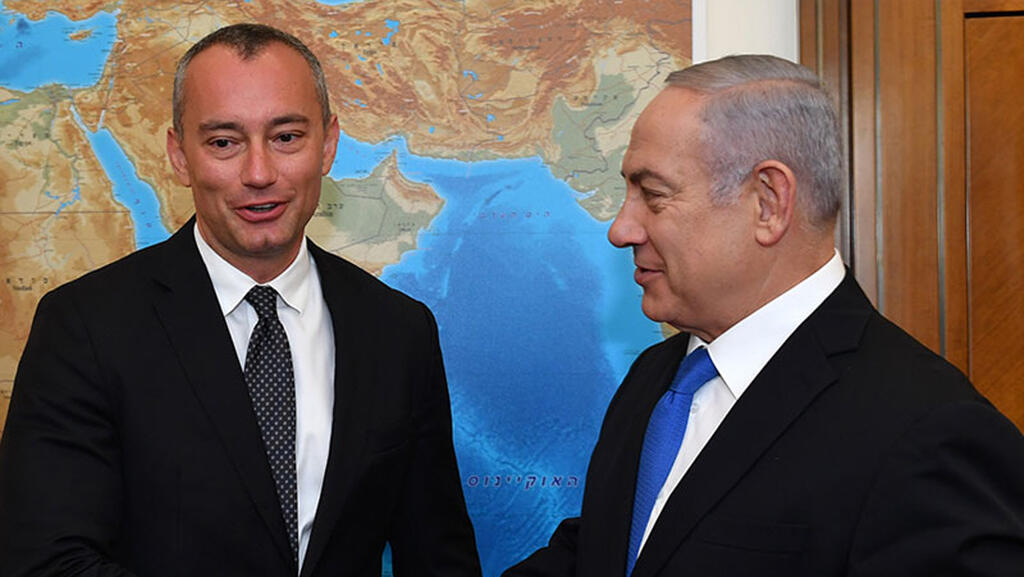
Mladenov has long-standing ties in Israeli politics. He developed a close relationship with Yisrael Beiteinu leader Avigdor Lieberman after they were introduced in 1999 and kept in touch over the years, including when both served as foreign ministers. He also knows other senior Israeli figures, including President Isaac Herzog and former foreign minister Tzipi Livni. During his U.N. years, he shuttled constantly among Jerusalem, Ramallah and Gaza and maintained dialogue with Hamas leader Ismail Haniyeh, who was killed last year in Tehran. He also built ties with Trump’s previous peace team, especially Jared Kushner, making him a natural candidate once Blair’s name was dropped.

Blair had been the only person publicly linked to the proposed board when Trump unveiled his reported 20-point plan to end the war in Gaza. But Arab and Muslim states opposed his appointment, citing his support for the Iraq invasion and fears that Palestinians would be pushed aside. Blair was trusted by Israel and was among the few international figures seen in Jerusalem as attentive to Israeli security needs. The opposition to his appointment is widely linked to the growing influence of Qatar and Turkey, which viewed Blair as too aligned with Israel and sought to block him.
Blair first engaged deeply in the Israeli-Palestinian arena after becoming Britain’s prime minister in 1997 and later served as the Quartet’s Middle East envoy. Nearly three decades later, he was reported to have helped shape parts of Trump’s Gaza plan, including the board of peace that would administer the territory until reforms in the Palestinian Authority allow for a new governing arrangement. Palestinian leaders have long resisted Blair’s involvement, pointing to his Iraq war legacy and his strong pro-Israel reputation.