


Late Thursday evening, as the sun sank into the Mediterranean and turned the horizon deep gold, we climbed into the Humvees of the reconnaissance and mobility battalion of the 551st Brigade, a reserve commando force, and headed toward the western sector of southern Lebanon. The breathtaking landscape quickly gave way to the reality of war.
We left Rosh Hanikra, crossed past a UN position and the view changed completely. Even through protective goggles worn against the dust kicked up by the Humvees, the damage was hard to miss. The few remaining walls were pocked with bullets and looked as though a light push would bring them down.
Hezbollah’s secret drone base
(Video: IDF)


We drove toward the heart of Majdal Zoun, a village about 7 to 10 kilometers from the Israeli border.
The movement was carried out in darkness, a necessary precaution because of the constant threat of explosive drones. Heavy military vehicles lined the dirt tracks, covered with camouflage nets. By the time we reached the center of the village, the sky was completely black. The soldiers there urged us to enter immediately the building where the troops had established a temporary base.
Majdal Zoun, it turned out, was not just another Lebanese village. In Northern Command it is known as a “staging village,” a place that Hezbollah terrorists had prepared before the war as a launch point for battle. In practice, IDF officers said, it was a military fortress the organization had built over decades under the cover of civilian life.
The village overlooks the Tyre valley and provides fire and observation control over broad areas of southern Lebanon, as well as parts of northern Israel. From here, IDF officials said, fire was repeatedly directed at communities in the Galilee, and terrorists had already set out from the area to carry out attacks.
(Photo: IDF)
(Photo: Elisha Ben Kimon)
(Photo: IDF)
“This is a month-long operation,” Lt. Col. A. told us, describing the work of the force. “It began from the outside, slowly and methodically, with intelligence gathering and the destruction of targets from the air, and continued when we arrived here with the troops. This village is a stronghold. Most of the houses here were filled with weapons systems, communications equipment, machine guns, anti-tank missiles, explosive devices and launch sites.” The centerpiece of the operation lay deep underground.
Israeli intelligence had long understood the nature of the village, which had already been struck from the air during Operation Northern Arrows in the fall of 2024. But the fortified underground system continued to function.
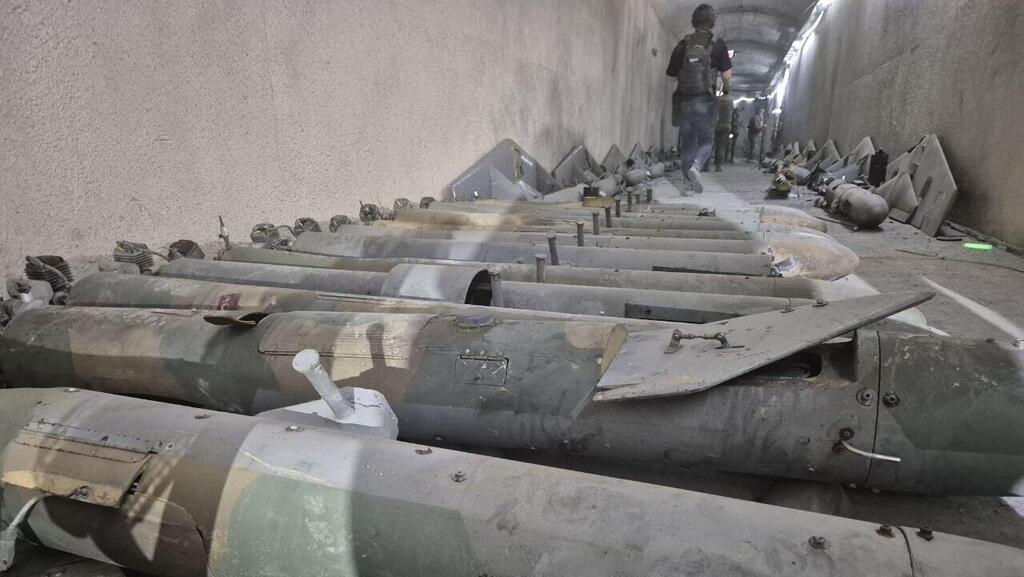
After walking for seven minutes from the IDF building, in total darkness with only fluorescent green glow sticks lighting the way, we reached the entrance to the underground secret. The entrance is located inside a side building, but it is enormous, wide enough for vehicles to drive inside with ease.
Its structure and fortifications resemble the underground Iranian missile tunnels often featured in Tehran’s propaganda videos. IDF officials say the site was built over years with massive Iranian funding.
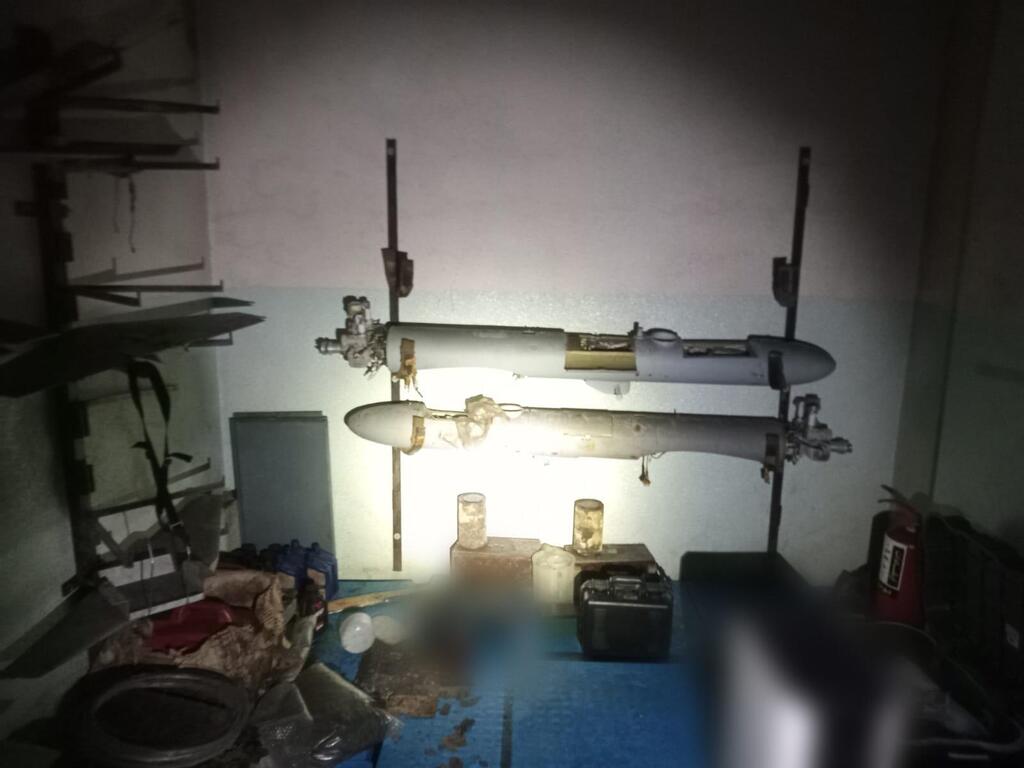
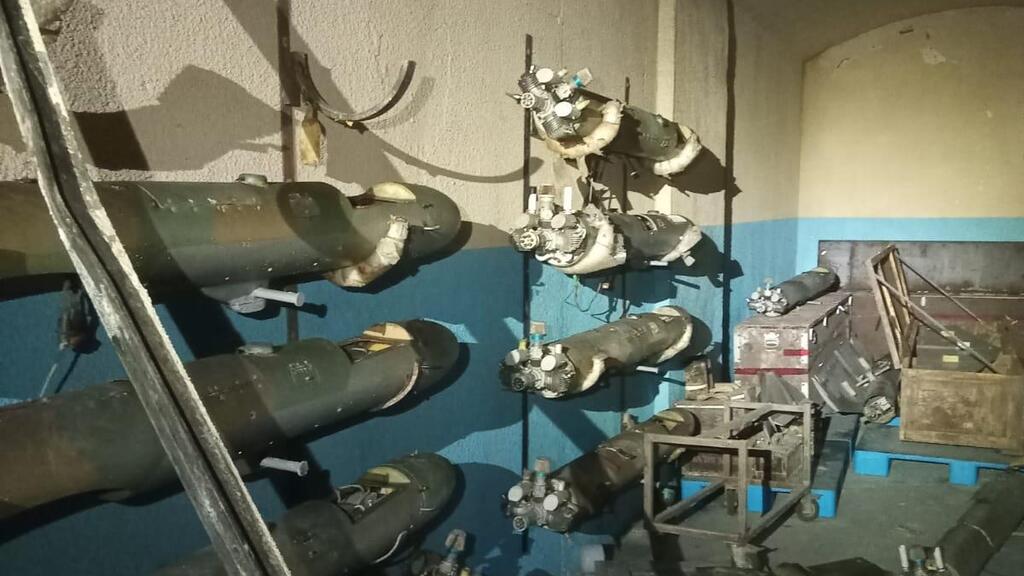
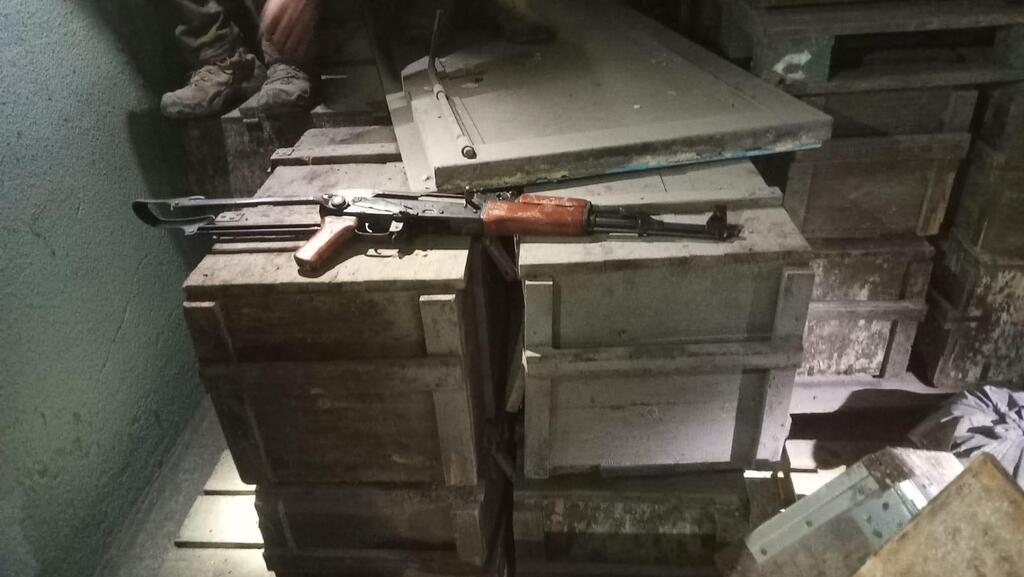
Inside, the air becomes suffocating. On the concrete floor, the scale of the terror infrastructure comes into view: dozens of dismantled drones, bodies and wings arranged almost like a production line. At the end of the corridor sits a reinforced concrete room containing hundreds of tons of explosives and weapons.
Lt. Col. D., a commander in Yahalom, the IDF’s elite combat engineering unit, described what the forces found.
“This infrastructure has huge blast doors that block the entrance and protect the system,” he said. “We worked for many long days to locate it. They concentrated very important Iranian weapons here. UAVs with a wingspan of half a meter, warheads of about 30 kilograms and ranges of 200 to 500 kilometers. We reached the heart of their system.”
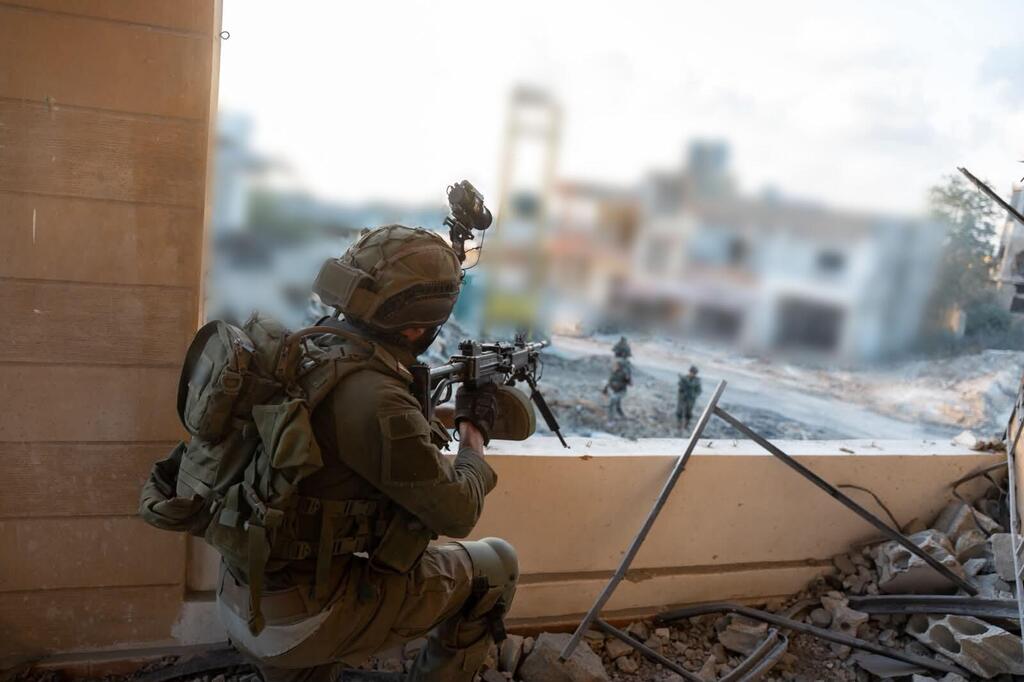
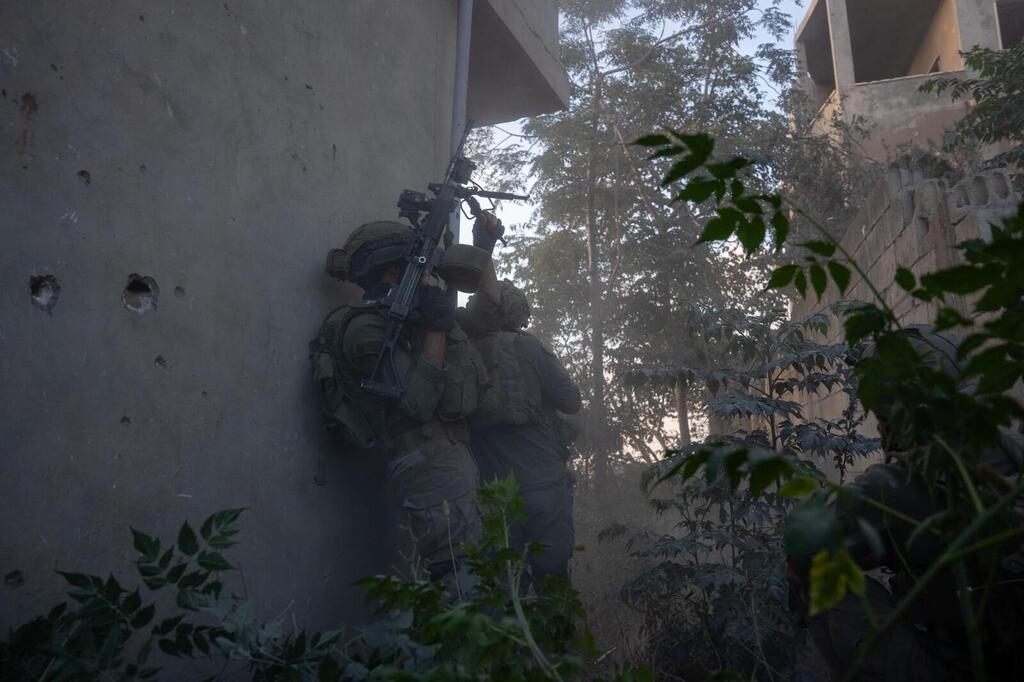
IDF troops in Majdal Zoun
(Photo: IDF)
(Photo: IDF)
At the rear of the underground route were the smashed remains of Hezbollah vehicles, silent evidence of Israeli Air Force strikes during the war. Hezbollah, commanders said, refused to give up the asset, repaired it and turned it into a secret factory of death.
When asked whether Hezbollah had used the site in the current round of fighting, IDF commanders in the village said they did not know. It may have been kept below the radar.
After about half an hour underground, we returned to the open air. It was close to midnight. We made our way back through the ruins of the village, whose reconstruction and clearing of rubble will take many months, if not years.
The IDF is expected to destroy the underground infrastructure in a massive explosion. The site joins similar infrastructure destroyed near the village of Tebnit, on the other side of the front in the eastern sector.
According to the IDF, the infrastructure in Majdal Zoun was an underground route more than 200 meters long and more than 25 meters deep, with four launch shafts and 12 rooms used for weapons storage and accommodation. The military said more than 20 Hezbollah terrorists were killed during the operation, about 10 of them members of Radwan Force, Hezbollah’s elite unit.
But the future in southern Lebanon remains deeply uncertain, and the price, as we learned immediately upon returning to Israeli territory, is unbearable. Moments after we crossed the border back into Israel, news arrived of the incident in which four soldiers from the 52nd Armored Battalion were killed during operational activity in Tebnit, near the Ali Taher ridge.
Killed in the incident were Lt. Col. Dor Ben Simhon, 32, from Beit Hashita; Staff Sgt. Nave Habshoosh, 20, from Geva Binyamin; Staff Sgt. Liav Kababia, 20, from Hod Hasharon; and Staff Sgt. Yoav Klein, 21, from Herzliya.
The impressive tactical victory deep underground was once again mixed with profound grief and the painful cost of the war.
First published: 19:21, 06.21.26