


Israel will end the use of emergency military call-up orders known as Tzav 8 following the conclusion of the war, but Finance Minister Bezalel Smotrich has decided that expanded financial grants for reservists will remain in place through 2026, the Finance Ministry said on Wednesday.
The decision comes after reports that the emergency conscription orders, which allowed the IDF to summon reservists without prior notice, will no longer be used once the war ends. Instead, starting in January, reservist call-ups will be governed by an amended version of the Reserve Service Law, to be advanced through the upcoming state budget legislation.
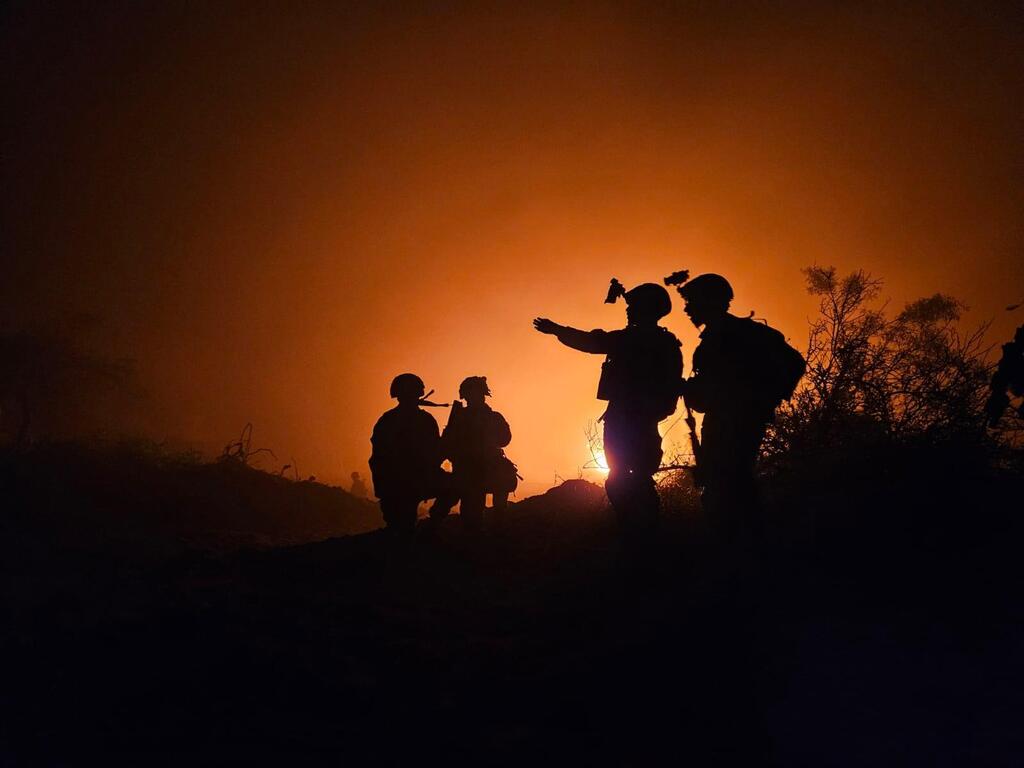
(Photo: IDF)
Smotrich held several discussions with senior treasury officials in recent days to determine whether the wartime grants given to reservists would continue once the emergency orders are lifted. Ultimately, he ruled that the financial benefits would not be reduced.
"Reservists and their families have borne the weight of two demanding years of repeated call-ups, and the IDF is expected to summon them again in the coming year," Smotrich said in explaining his decision.
Last week, senior officials from the finance and defense ministries finalized an agreement to discontinue Tzav 8 orders, a move currently under review by Attorney General Gali Baharav-Miara. Under the proposed plan, the IDF would be limited to calling up reservists for approximately 60 to 70 days per year, with the final number to be determined in the coming weeks.
The change would mark a return to reservist mobilization based on standard Israeli law, rather than the broad powers granted under emergency orders, which allowed for immediate, unplanned call-ups.