

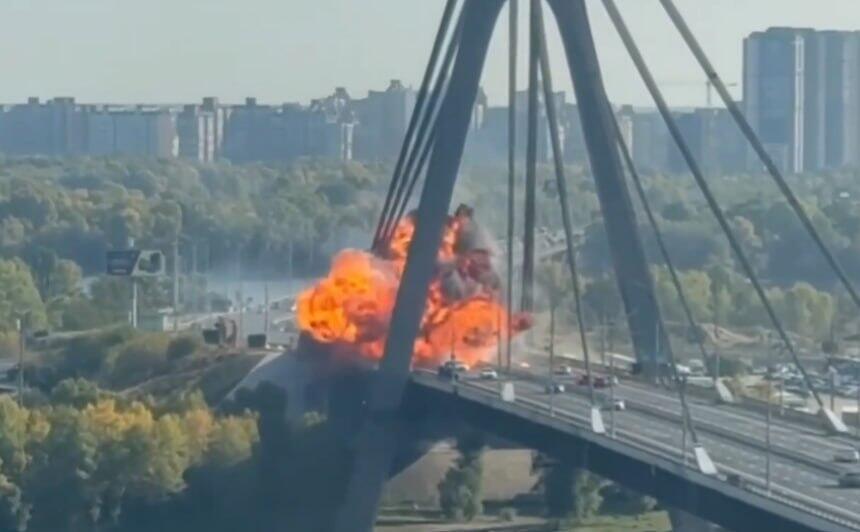
Russia continued its extensive assault on bridges in the Ukrainian capital Kyiv on Sunday, first-person view (FPV) drones on roads crossing the Dnipro River for a fourth straight day. The bridges connect the eastern and western parts of the city, and the attacks appear aimed at sowing panic among Ukrainians and disrupting supply routes while causing massive traffic jams. At least four air raid alerts sounded in Kyiv Sunday morning, and a Russian drone exploded on the Northern Bridge over the Dnipro as vehicles were crossing it. No injuries have been reported so far in that incident.
Putin’s hard-to-intercept drones explode on Kyiv bridges


Russia began attacking Kyiv’s bridges on Thursday, saying it was seeking to sever supply routes to the Ukrainian military from central Ukraine to the east. On Thursday and Friday, it repeatedly attacked the city’s Southern Bridge with drones, forcing its closure and causing massive traffic jams across the Kyiv metropolitan area, home to about 3 million people.
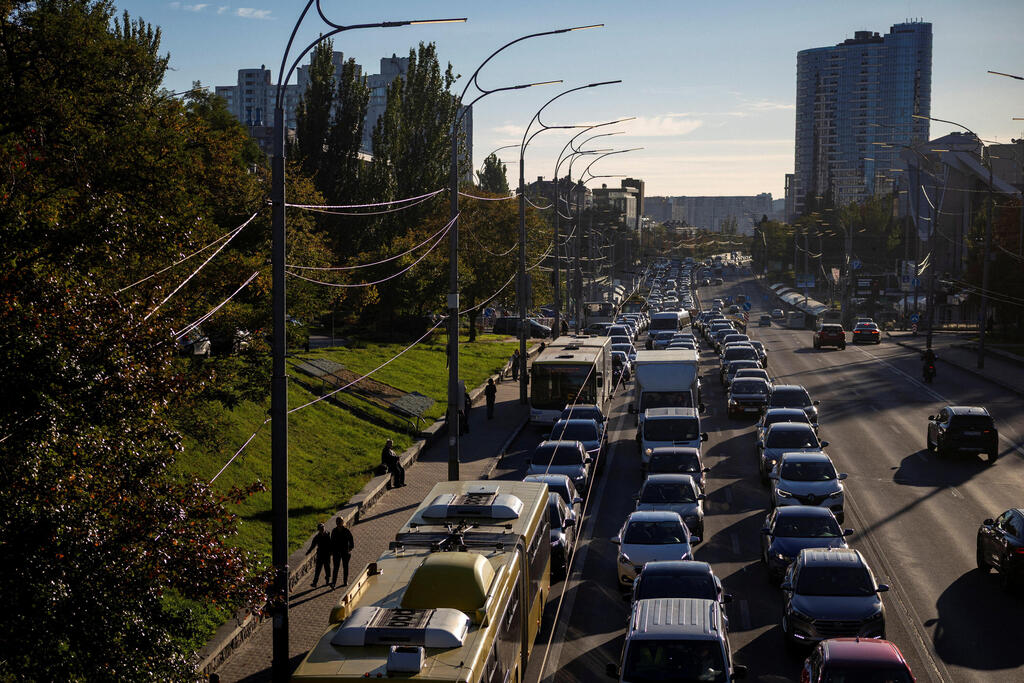
The strikes were Russia’s first significant attacks on a major bridge in Kyiv since its full-scale invasion of Ukraine in February 2022. On Saturday, it also attacked the Northern Bridge, which it struck again Sunday. Ukraine has now been forced to partially or fully close three of the six bridges over the Dnipro that carry vehicle traffic, causing severe congestion across large parts of the city throughout the weekend.
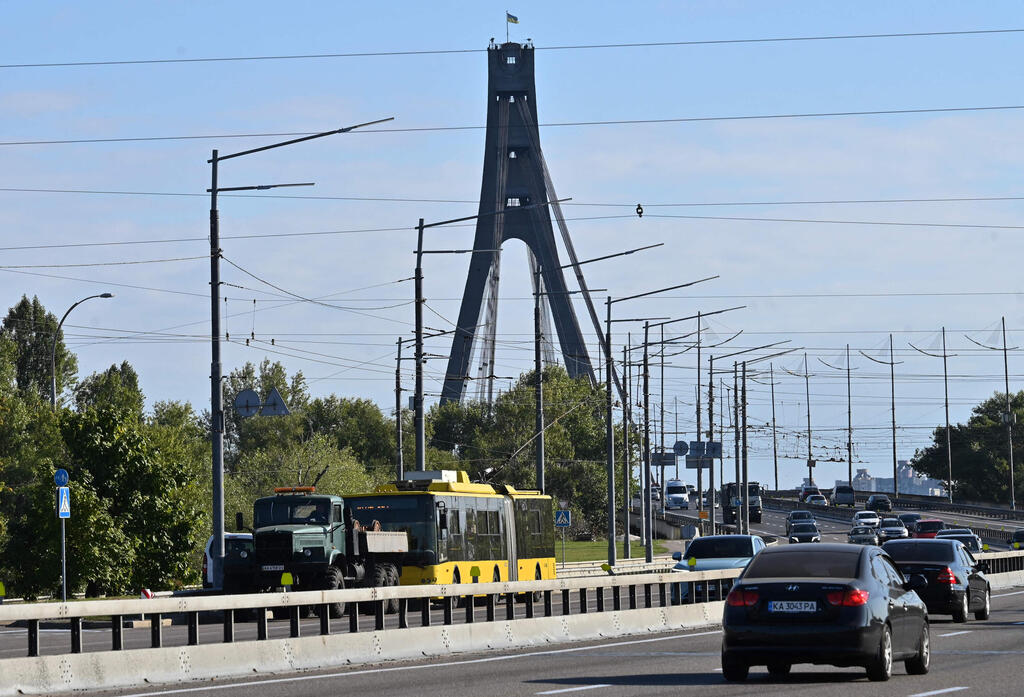
A bus is evacuated after one of the drones struck a bridge in the capital
(Photo: Sergei SUPINSKY / AFP)
Russia is attacking Kyiv’s bridges with domestically produced jet-powered drones, which it has increasingly deployed in recent weeks. The drones are fast and relatively inexpensive, and their speed makes them more difficult for Ukrainian air defense systems to intercept. Russia has used them to strike not only bridges but also residential buildings, supermarket warehouses, gas stations and server farms.
Ukrainian President Volodymyr Zelensky acknowledged in an interview with Reuters on Saturday that his country is managing to intercept only about 60% of the drones and has been forced to rely heavily on its F-16 and MiG fighter jets, whose ammunition stocks are running low. He said Kyiv is urgently seeking other solutions, including upgrades to its electronic jamming capabilities. Ukraine is expected to receive its first shipment of small, inexpensive air defense missiles capable of striking the new drones in the second half of October.

A Russian drone flies toward a bridge in Kyiv over the weekend and explodes on it
(Photo: REUTERS/Valentyn Ogirenko)
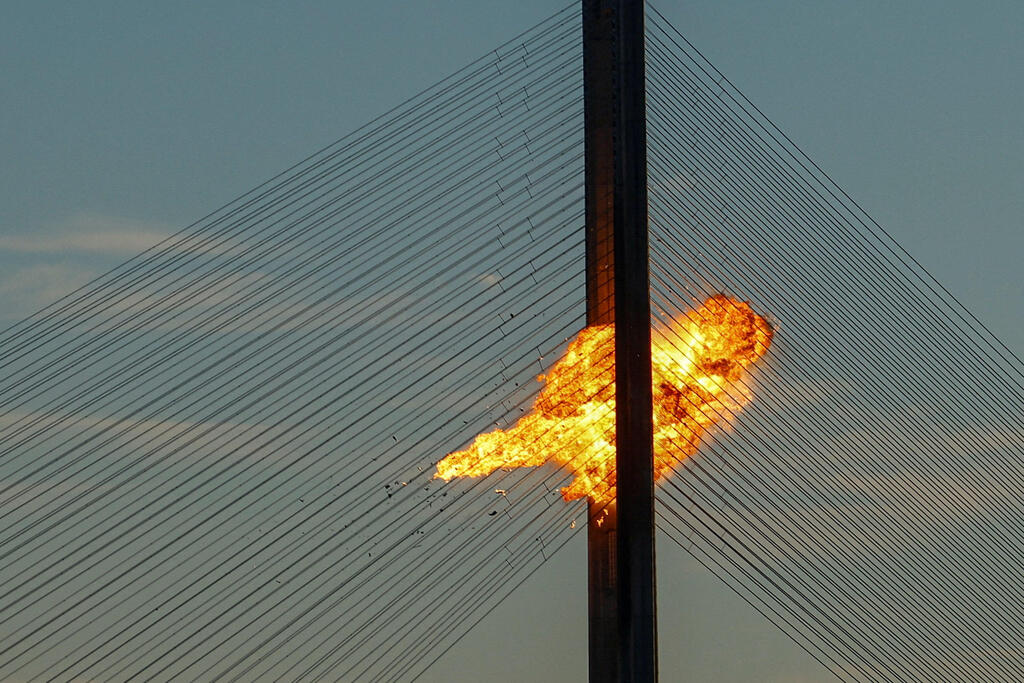
(Photo: REUTERS/Valentyn Ogirenko )
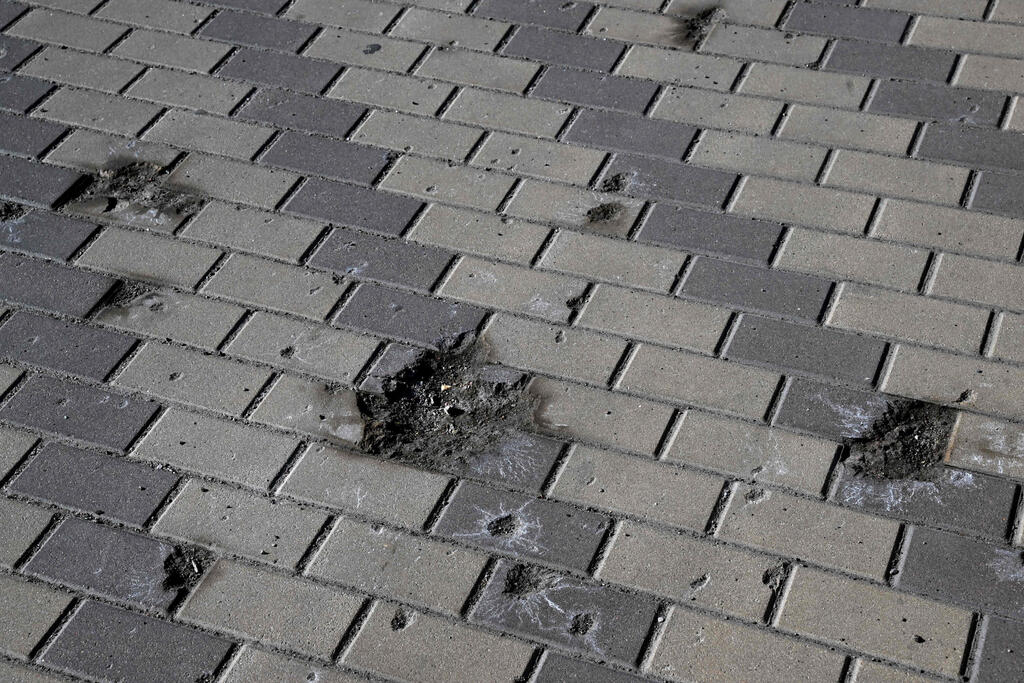
Impact marks after one of the explosions on the Southern Bridge
(Photo: Sergei SUPINSKY / AFP)
Russia describes its broad assault on Ukraine in recent days as a campaign of retaliation. On Saturday, it urged diplomats and foreign nationals in Kyiv to leave the city ahead of further “mass retaliatory strikes,” which it said would target military sites in Kyiv and other Ukrainian cities. Russia says it is seeking to make Ukraine pay for its repeated drone attacks in recent months against oil refineries and storage facilities deep inside Russia, strikes that caused a Russian fuel crisis over the summer, as well as attacks on warehouses belonging to Russian e-commerce giants Wildberries and Ozon, which caused significant disruptions for Russian consumers. The strikes on Russian refineries have also repeatedly drawn criticism from U.S. President Donald Trump, who argues that they are worsening the global diesel shortage.
Zelensky defies Trump: We will double attacks on oil refineries
Russia’s retaliatory attacks in recent weeks have included almost daily drone strikes. On Friday, Kyiv Mayor Vitali Klitschko described the situation in the capital as “extremely dramatic,” saying Moscow was “destroying” the city by systematically targeting its infrastructure and logistics. Nevertheless, Zelensky said in his Reuters interview Saturday that the Ukrainian military would double its attacks on oil refineries in Russia.
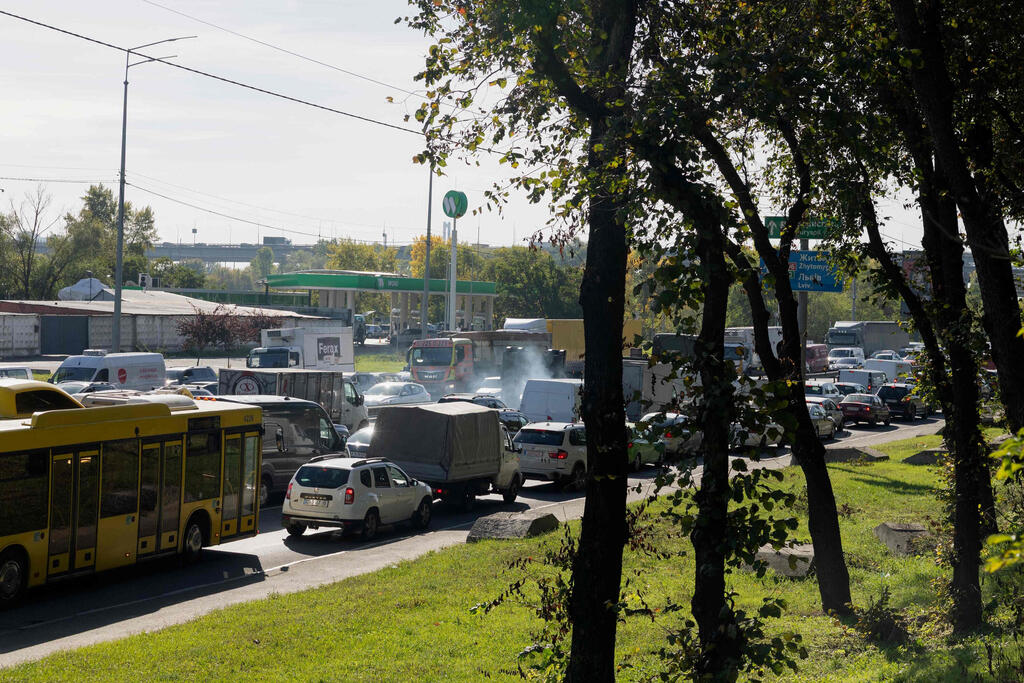
Traffic jams in the Ukrainian capital Kyiv over the weekend after half of the city’s vehicle bridges were at least partially blocked
(Photo: Tetiana DZHAFAROVA / AFP)
(Photo: Thomas Peter)
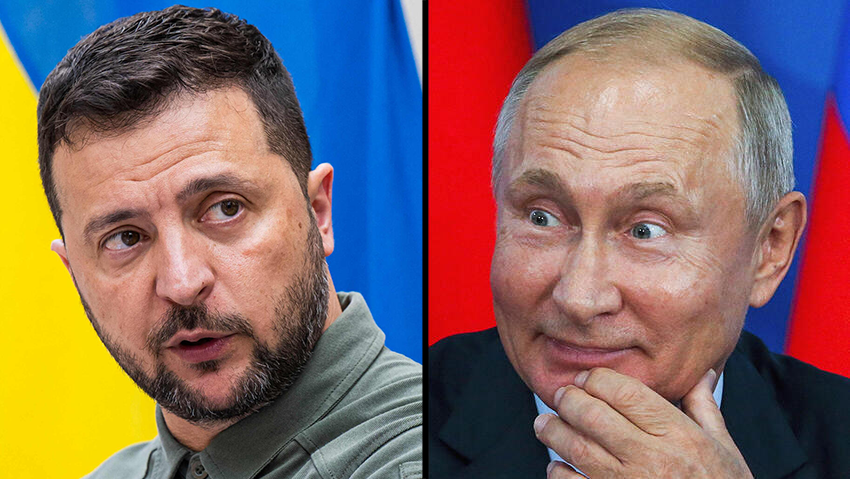
Putin and Zelensky. Neither is showing signs of backing down
(Photo: AP Photo / Dmitry Serebryakov / Jonathan NACKSTRAND / AFP)
Zelensky said Ukrainian intelligence services had obtained documents indicating that Russian President Vladimir Putin had formulated a “new doctrine” for military attacks against a far broader range of civilian targets ahead of the coming winter. According to Zelensky, the doctrine is intended to pressure Ukrainians to leave the capital and other cities. Zelensky attributed the shift to what he described as Putin’s battlefield setbacks, particularly in “Operation Vivaldi,” in which he said Ukraine recaptured about 140 square kilometers (54 square miles) of territory in the eastern Donbas region that had previously been seized by Russia.
Despite Russia’s call Saturday for diplomats to leave Kyiv, German Chancellor Friedrich Merz arrived in the Ukrainian capital Sunday morning. Merz traveled to Kyiv by train and was greeted upon stepping off the train by Ukrainian Foreign Minister Andrii Sybiha. The chancellor said he had come to demonstrate his support for Ukraine because it “needs all our support in the coming weeks.” He warned: “If Russia is not stopped, sooner or later its war machine will be turned against us.”

The Ukrainian foreign minister welcomes Merz at Kyiv’s train station Sunday morning
(Photo: Handout / UKRAINIAN FOREIGN MINISTRY / AFP)
Merz, whose country is among Ukraine’s largest supporters in its war against Russia, arrived in Kyiv accompanied by Economy Minister Katherina Reiche and senior business executives. He is expected to announce a new military aid package for Ukraine worth about 1 billion euros, specifically intended to help counter Russia’s jet-powered drones. He is also expected to pledge 350 million euros in assistance for Ukrainian infrastructure ahead of winter, a critical period in which Ukraine fears massive Russian attacks on its power plants, similar to those in 2025 that repeatedly left millions of people without electricity or heating in freezing temperatures.
Merz, who is deeply unpopular at home, arrives in Ukraine after stinging defeats in regional elections to the far-right Alternative for Germany (AfD), which advocates ending aid to Kyiv and normalizing relations with Moscow. Polls show that nationwide, the AfD is currently Germany’s most popular party.