


A reserve soldier in an armored reconnaissance unit who has completed about 350 days of service and was called up for another round in February told ynet on Wednesday that he has decided not to report for the upcoming call-up order, citing severe burnout felt by the team throughout the war.
“We have battles to fight at home,” he said, explaining his decision. “There are guys on the team who were fired from their jobs, others whose families are barely staying afloat, or who have been dragging out their studies for a very long time. This is a problem, a complexity that is hard to describe.”
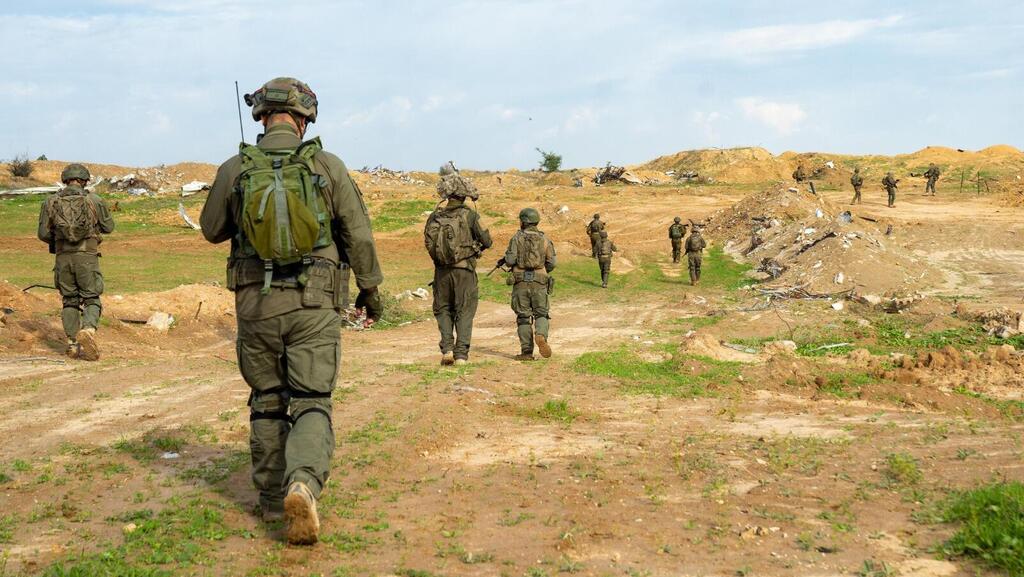
The armored reconnaissance team enlisted in November 2016 and was discharged in 2019. Until the outbreak of the war, like most reservists, its members typically served about a month in total each year to maintain operational readiness. With the start of the war, the team was called up for emergency service, and since then, its fighters have accumulated hundreds of days of reserve duty each.
“A soldier on the team has done between 320 and 350 days of reserve service,” the reservist said. “We took part in all the maneuvers. We spent five months in the north, went into a second ground maneuver in Gaza, in the Rafah sector. After a month we were rushed into a maneuver in Lebanon, and after that we received another order for Gaza. During the confrontation with Iran, we stayed on alert, with all our gear on us at all times, ready to be deployed so that within three hours we would be back inside Lebanon.”
According to him, most of his comrades reached the same decision not to report. “This didn’t come easily at all; it’s the worst feeling there is,” he said. “The situation right now is not black and white like it was on October 7. It’s very gray. It’s hard to understand the meaning, the purpose, what they want to do and how they want to continue. If there is a state of emergency in the country, like there has been over the past two years, and there is a maneuver or a ground operation that is clearly necessary, everyone will show up. But now we still have another 10 years of reserve duty ahead of us, and we know the wars won’t end and are not ending.”
The reservist also addressed the crisis surrounding proposed legislation exempting ultra-Orthodox men from mandatory military service, saying that “the political problem in the country also has an impact. The draft bill and things that make you feel you don’t have backing from home, from the government, from the political leadership. You give them your support, and after two years of fighting, you’re supposed to return to normal life. The mental complexity of these transitions is challenging. It’s not something that can be explained in words; you have to live it to understand it.”
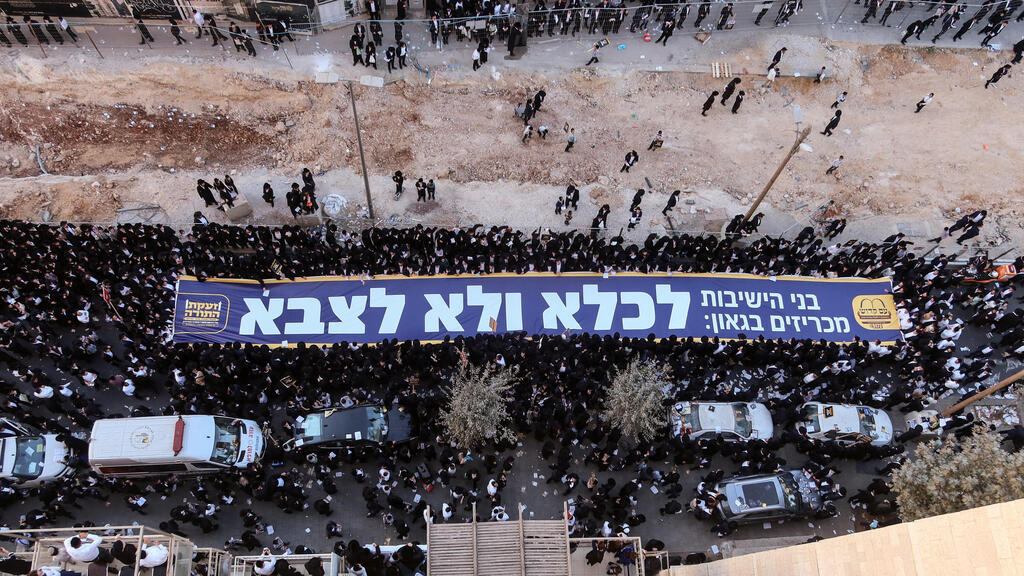
'To prison and not the army': ultra-Orthodox demonstrate against the draft
(Photo: Reuters / Am Kadosh)
In his view, elected officials do not understand the many challenges facing reservists. “And even if they do understand, they can't do anything about it. That’s why you have to take matters into your own hands,” he said. “We came to create a new reality, and we’re seeing it now on the ground, and it’s complex.” He stressed that he stands by his decision not to report and that nothing is likely to change it at this stage. “We need rest. When we feel fit, we’ll get back to it,” he said.
After more than two years of fighting on multiple fronts, many reservists share a growing sense of exhaustion that set in after the fighting, and that often exists alongside their feelings of dedication and commitment to fulfilling their role and reporting for the orders they receive. Many say the most difficult challenge is the attempt to return to routine life and advance personal and professional paths that were abruptly cut short by prolonged reserve duty.
The personal costs borne by reservists — family, financial and professional — are accompanied by mental coping difficulties, with many saying their fitness to carry out tasks they performed before the war has been harmed. Numerous accounts from the field indicate that commanders and fighters are dealing with an extremely severe manpower shortage, the same shortage the IDF has publicly acknowledged as it calls for the immediate enlistment of thousands of potential fighters, including yeshiva students from the ultra-Orthodox sector.
Cases of refusal to report could undermine the forces’ ability to carry out missions. The absence of fighters from the reserve roster may harm operational readiness and the chances of mission success and also leads to increased burnout among those who do report and are forced to take on additional tasks due to low headcount. Reservists also report a significant blow to morale as reporting rates decline.