


Israelis headed to the polls Tuesday in one of the country's most consequential elections in recent years, with the political future of Prime Minister Benjamin Netanyahu and the balance of power between his allies and opponents at stake.
But even after polling stations close, the outcome may remain uncertain, with an unprecedented number of special ballots expected to delay the final count. From voter turnout and shifting political loyalties to the weather, these are the 10 factors that could determine who emerges victorious and whether either side can form the next government.
Gallery
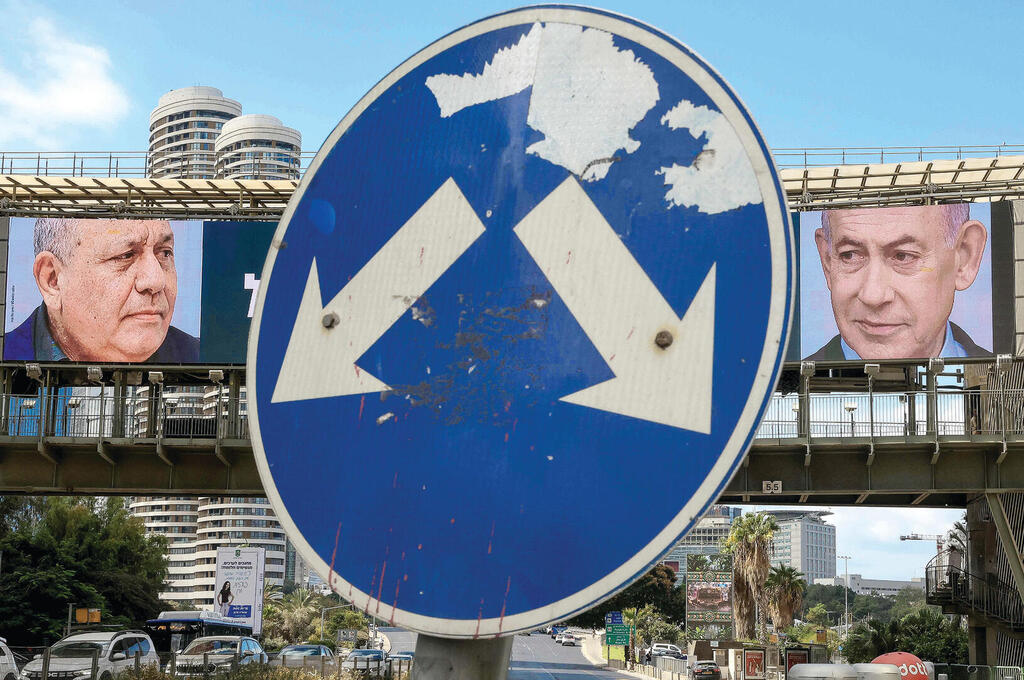
Political parties will closely monitor turnout figures throughout election day
(Photo: JACK GUEZ, AFP)
1. Voter turnout
Overall turnout is one of the most important figures to watch throughout election day. Approximately 70% of eligible voters cast ballots in the previous election, while estimates for this election suggest participation could reach 75%. Higher turnout could significantly affect smaller parties struggling to enter the Knesset, Israel's 120-seat parliament. Although the electoral threshold remains fixed at 3.25% of valid votes, a larger number of ballots means parties must secure more votes to win seats, potentially determining whether they gain parliamentary representation or are left out altogether.
2. Which side gets its supporters to vote?
The national turnout figure will tell only part of the story. Equally important is where participation is highest and which political parties manage to mobilize their supporters. Southern towns such as Ofakim, Yeruham and Sderot, along with the northern city of Kiryat Shmona, have traditionally been strongholds of Netanyahu's Likud party. More liberal cities, including Tel Aviv, Herzliya, Ramat Hasharon and Kfar Saba, generally favor parties seeking to unseat him. Turnout figures in these communities will offer an early indication of which side has succeeded in getting its supporters to the polls and where voter apathy may be affecting the results.
3. A record 650,000 special ballots
An estimated 650,000 votes are expected to be cast through Israel's special double-envelope voting system, a record number that could complicate efforts to determine the election outcome on Tuesday night. The system allows eligible voters who cannot vote at their designated polling stations to cast ballots elsewhere. It is used by soldiers, diplomats, Foreign Ministry personnel, voters with disabilities and residents displaced from their homes. Each ballot is placed inside two envelopes, allowing election officials to verify voter eligibility and prevent duplicate voting while preserving ballot secrecy.
Counting these ballots takes longer than processing ordinary votes, meaning a more accurate picture of the results may not emerge until Wednesday afternoon. With so many votes outstanding, the final count could push smaller parties above the electoral threshold and potentially alter the balance of power between Netanyahu's bloc and the opposition.
4. Turnout among Arab voters
Participation among Israel's Arab citizens could prove decisive for both Netanyahu's allies and his political opponents. The Joint List, an alliance of Arab-majority parties, and Ra'am, also known as the United Arab List, led by Mansour Abbas, have conducted separate campaigns to encourage voting in Arab communities. Both political blocs are closely monitoring turnout, recognizing that the number of seats won by Arab parties could significantly affect the prospects of forming a governing coalition. Political observers believe a combined result of more than 14 seats would represent a major achievement for the Arab parties, but could also leave both competing blocs short of a parliamentary majority, depending on the final distribution of seats and potential coalition partners.
5. The impact of young voters
The campaign's heavy emphasis on social media has led political parties to anticipate greater participation among younger Israelis, including many who previously showed little interest in politics. Celebrities, online personalities and social media influencers have played an unusually prominent role, publicly declaring which parties they support and generating political debate among their followers.
Campaign strategists across the political spectrum believe young voters may turn out in greater numbers than usual, potentially giving them greater influence over the outcome and challenging traditional assumptions about the strength of individual parties.
6. The unpredictable ultra-Orthodox vote
Israel's ultra-Orthodox Jewish community has traditionally voted in large numbers, often following the guidance of influential rabbis and religious leaders. This time, however, even prominent figures within the community acknowledge that predicting voting patterns is unusually difficult. Several developments have unsettled the political landscape, including the failure to pass legislation addressing military service for ultra-Orthodox men, the emergence of new parties challenging established religious factions and significant leadership changes within United Torah Judaism, one of the main ultra-Orthodox political alliances.
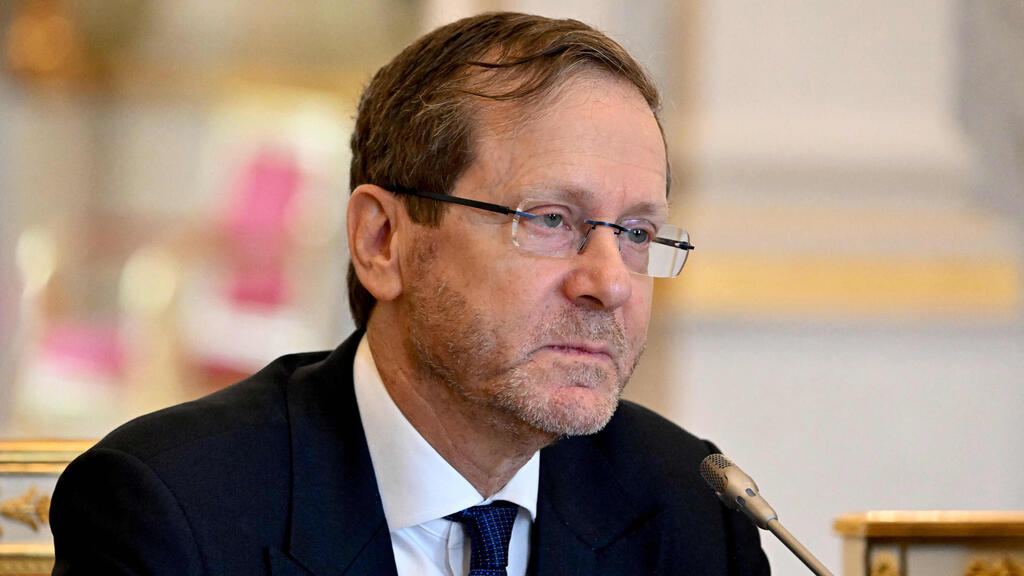
President Isaac Herzog will decide which candidate receives the first opportunity to form a government
(Photo: Attila KISBENEDEK / AFP)
Veteran lawmaker Moshe Gafni has been replaced at the party's helm by Yaakov Asher, marking a significant shift in a political movement known for its longstanding leadership. Both Netanyahu's allies and his opponents are uncertain whether ultra-Orthodox voters will maintain their traditional party loyalties or express their dissatisfaction by supporting alternative parties. The outcome could affect Netanyahu's ability to rely on his longstanding ultra-Orthodox coalition partners.
7. Does winning the most seats guarantee victory?
One of the campaign's recurring debates has centered on whether finishing as the largest party actually matters when the votes are counted. Under Israel's parliamentary system, the party winning the most seats does not automatically get to form the next government. Instead, President Isaac Herzog consults with the newly elected parties and chooses the lawmaker he believes has the best chance of assembling a governing coalition. The president has considerable discretion in making that decision, meaning the leader of a smaller party could be given the first opportunity to form a government if that candidate appears more likely to secure sufficient parliamentary support.
8. Why getting the first chance to form a government matters
The decision over who gets the first opportunity to form a government could have consequences extending well beyond coalition negotiations. Under Israeli law, the candidate selected by the president initially receives 28 days to assemble a coalition, with the possibility of extensions totaling another 14 days. That period can provide significant political leverage even if the candidate ultimately fails to form a government.
The party whose leader receives the first opportunity to form a government also generally chairs the Knesset's temporary Arrangements Committee, which helps manage parliamentary business until permanent committees are established. The committee can influence parliamentary procedures, committee appointments and the early legislative agenda. Control of these mechanisms could help a political bloc advance legislation or pursue the replacement of the Knesset speaker before a new government takes office, although such moves still depend on securing sufficient parliamentary support.
9. The technology tracking voter turnout
Behind the scenes, political parties are relying on sophisticated technology to monitor voter participation and maximize support. Among their most important tools is Elector, an application valued at hundreds of thousands of shekels that allows campaign teams to manage information collected about potential supporters. The system contains personal details and voting preferences gathered during the campaign, enabling party activists to track which identified supporters have cast their ballots and focus efforts on those who have yet to vote.
The technology has also raised privacy concerns and questions about the legality of political parties collecting and using voters' personal information. Central Elections Committee Chairman Justice Noam Sohlberg expressed reservations about its use, but the application was ultimately permitted. For parties competing over every seat, the ability to identify supporters who have not voted and encourage them to reach polling stations could prove crucial.
10. Could the weather affect the outcome?
One final factor may have little to do with politics but could still influence the result: the weather. With rain and thunderstorms forecast across much of Israel on election day, political parties are closely monitoring conditions and assessing whether they could discourage less motivated voters from leaving home. Campaign strategists are particularly concerned about undecided voters and supporters who are not enthusiastic about participating. Heavy rain could make mobilizing those voters more difficult, increasing the importance of organized transportation and personal outreach. In an election potentially decided by narrow margins, even a small change in turnout could affect the distribution of seats and ultimately determine which political camp gets the first chance to form Israel's next government.