

Defense Minister Israel Katz had pledged to “destroy” the bridges over the Litani River to prevent residents of southern Lebanon, displaced after Hezbollah launched the war, from easily returning home. However, overnight between Thursday and Friday, shortly after a ceasefire between Israel and Lebanon took effect, at least one of those bridges was quickly repaired, allowing residents to cross south of the Litani. The al-Zrariyeh bridge in the Tyre district was also restored, with traffic resuming and vehicles seen cautiously crossing on a dirt path.
The bridge is located near the coastal town of al-Qasmiya, in the Tyre area of southern Lebanon, which was repeatedly targeted during the war. Bridges in the area connect areas north and south of the Litani River. The Israel Defense Forces had warned civilians to stay away from the crossings following repeated strikes, saying Hezbollah used them to transfer weapons and operatives into restricted areas.
Crossing the bridges into southern Lebanon


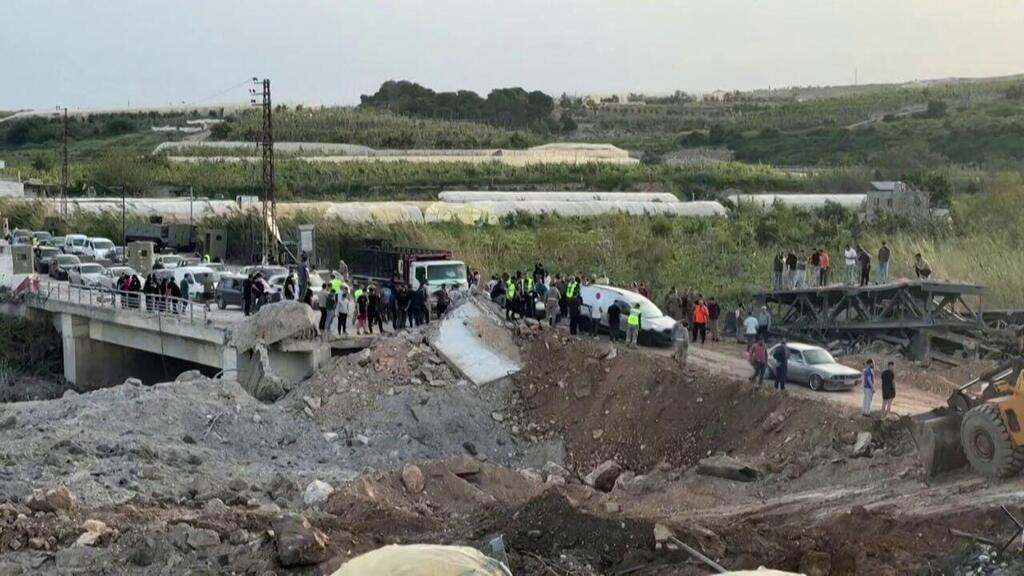
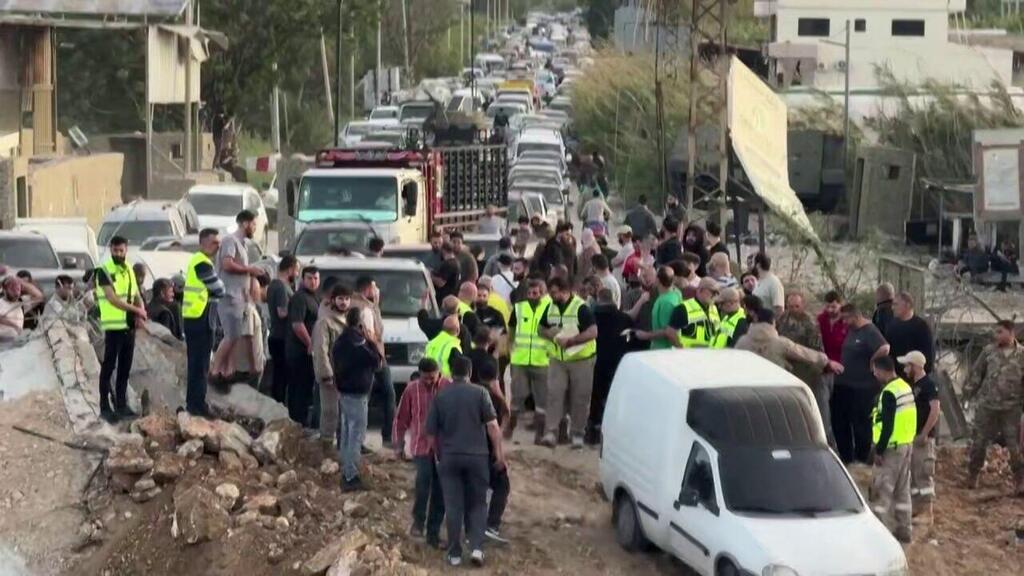
Reopening of the al-Qasmiya bridge
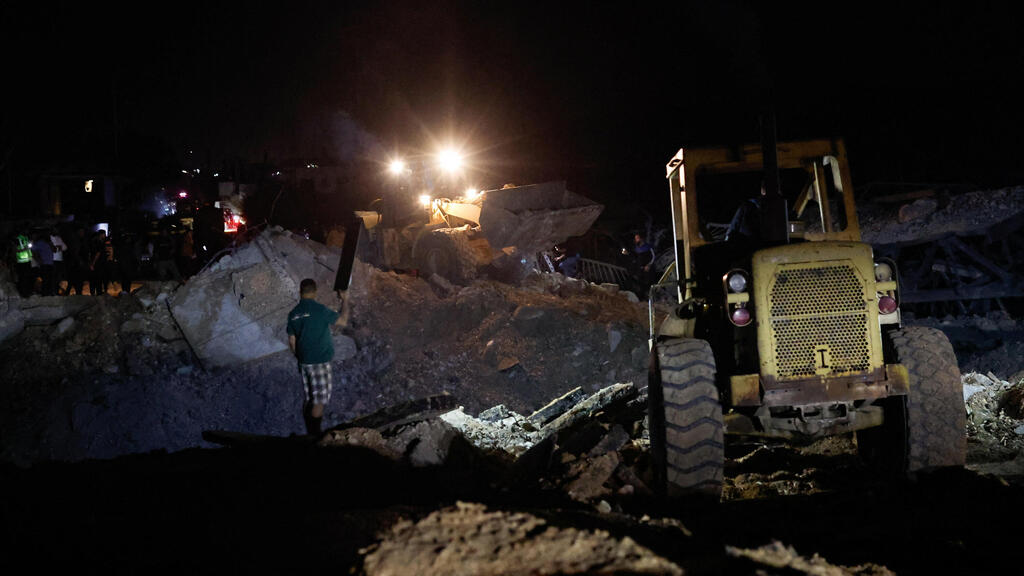
Bridge repairs in al-Qasmiya
(Photo: REUTERS/Louisa Gouliamaki)
Lebanese reports cited multiple strikes in the area, including on March 18 and again the following day, when a missile exploded during a live broadcast near RT reporter Steve Sweeney at one of the al-Qasmiya bridges. Another strike was reported on March 22, with footage showing a plume of smoke, and again on April 5. On April 8, Lebanon’s army said it had been notified via the ceasefire monitoring mechanism to evacuate the al-Qasmiya bridge ahead of a strike that could sever the last route between the southern and northern sides of the Litani. The bridge was later hit, and footage of the destruction was released. As recently as Thursday, additional strikes on the bridge were reported.
Throughout the fighting, the IDF said southern Lebanon would be treated as a combat zone where civilian presence was prohibited, except in Christian villages, and that anyone else in the area would be considered a terrorist. As part of this strategy, Israeli forces sought to divide southern Lebanon by destroying bridges. The military also said the crossings were used by Hezbollah to move weapons and fighters south. At the start of the fighting, about 1,000 Radwan force fighters deployed in defensive positions in southern Lebanese villages.
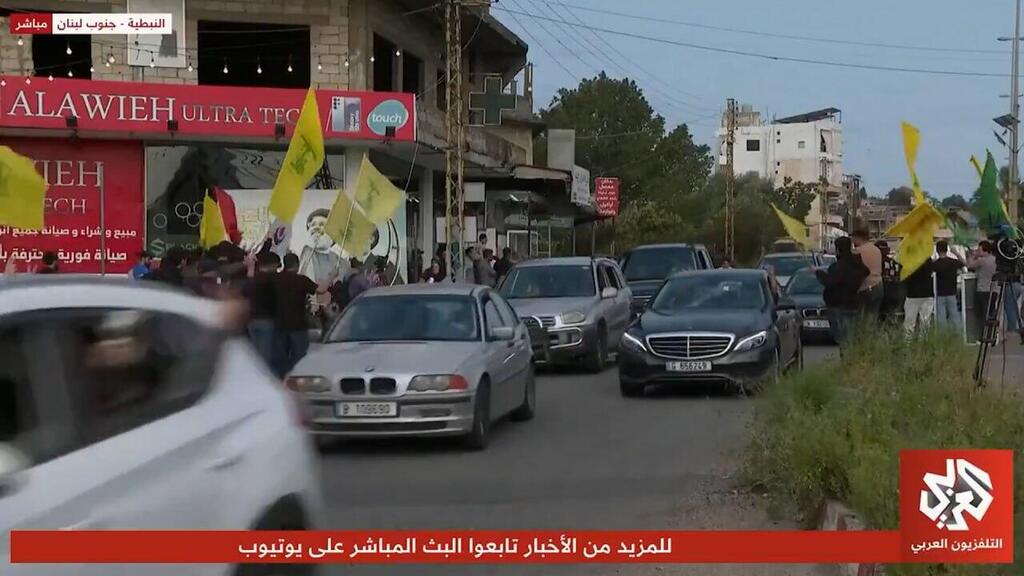
Returning to southern Lebanon after the bridge repairs
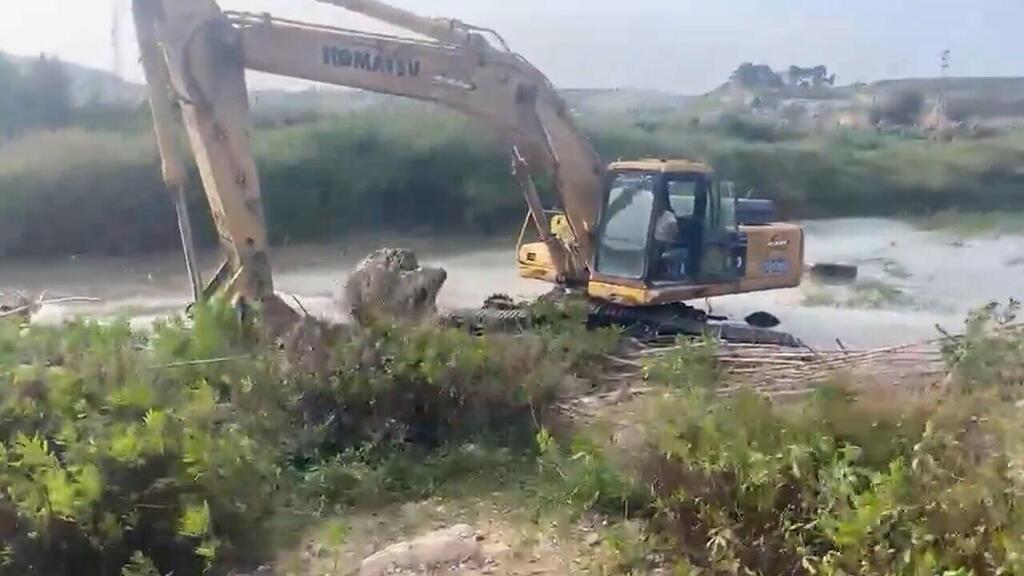
Repair work in al-Qasmiya
Despite the repeated strikes, only a few hours of work overnight were enough to restore at least one bridge and allow residents to return south, despite warnings from both the IDF and the Lebanese army to stay away. One Lebanese outlet reported that civilian vehicles began crossing the al-Qasmiya bridge after the road was manually reopened by local residents.
Residents also reportedly appealed to the Lebanese army command to send equipment and formally reopen the road. Footage aired overnight showed engineering equipment operating in the area, and by morning, partial traffic had resumed on the al-Qasmiya bridge after more than seven hours of repair work.
Since the start of the war, about 1.2 million people in Lebanon have been displaced. While tens of thousands have already returned home, many have not. The Lebanese army had urged civilians to avoid returning to southern villages until the ceasefire took effect and to stay away from areas where Israeli forces were present. In practice, however, many Lebanese had been crossing into the south even during the fighting to check on their homes, prompting repeated evacuation warnings from the IDF.
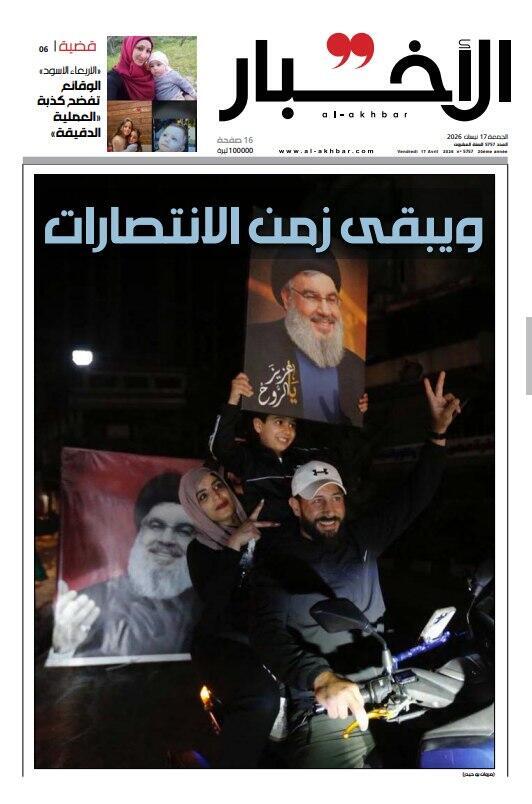
Front page of Hezbollah-affiliated Lebanese newspaper Al-Akhbar this morning
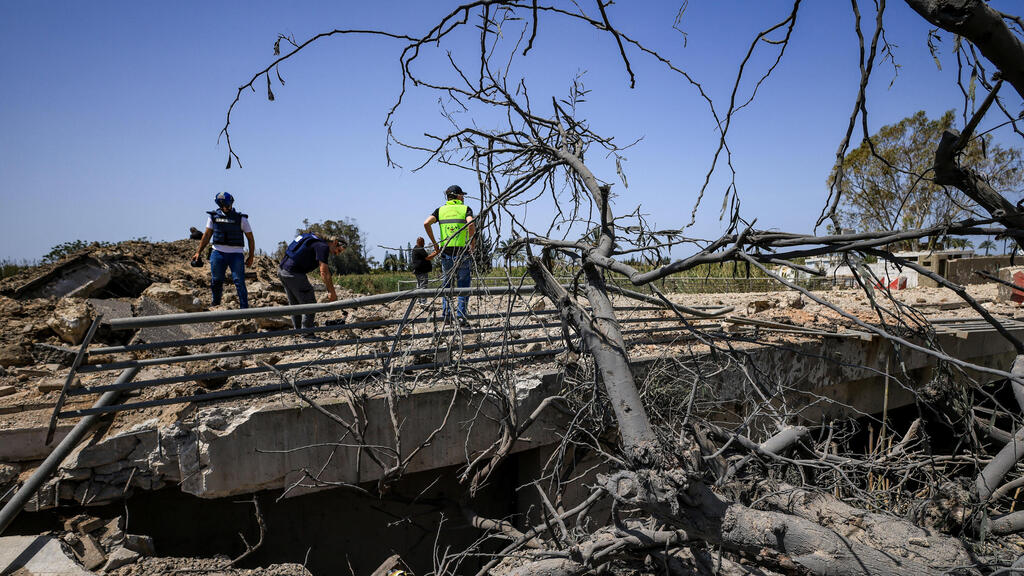
Al-Qasmiya bridge after an IDF strike, yesterday
(Photo: REUTERS/Louisa Gouliamaki )
The Lebanese army also called on civilians to follow instructions from deployed units and report any weapons or unexploded ordnance left behind. Around 3 a.m., it issued another statement urging residents to delay their return, claiming Israel was violating the agreement and continuing strikes.
The army warned against entering “dangerous areas” and said it was monitoring developments. Despite this, celebratory gunfire was heard overnight in Beirut’s Dahiyeh district, which filled with residents returning after evacuating during Israeli strikes.