


Representatives of Israel, Lebanon and the United States concluded two days of talks in Rome on Wednesday, nearly three weeks after the sides signed a trilateral framework agreement aimed at advancing security arrangements along the Israel-Lebanon border.
In a joint statement, the three countries described the talks in the Italian capital as “productive and positive” and said they had reached agreement on the structure and principles of a pilot-zone process.
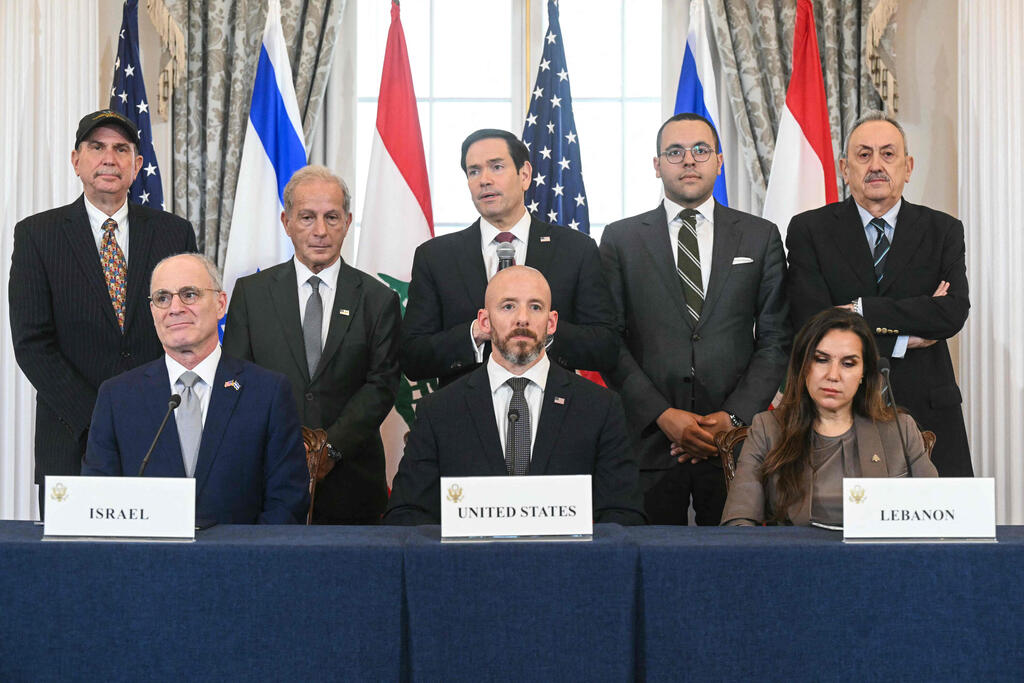
The final details are expected to be completed in the coming days, after which implementation will begin.
The next stage of the talks will consist of expanded technical discussions focused on implementing all elements of the Trilateral Framework, with the stated goal of reaching a comprehensive agreement between Israel and Lebanon.
A senior Israeli official said the talks had gone well but that additional preparations and understandings were still needed before the first stages of the pilot zones could be implemented.
“We assess that this will be achieved in the coming days,” the official said.
The U.S. Embassy in Beirut said the sides had agreed on a practical structure for pilot zones from which the IDF would withdraw.
“The format is in the final stages of preparation, and implementation will begin in the coming days,” the embassy said. “We will move to technical talks to implement the trilateral framework and reach a comprehensive agreement between Israel and Lebanon.”
Under the framework agreement, the Lebanese Armed Forces are to gradually assume full and effective security responsibility in designated pilot zones. The mechanism is intended to enable a phased and verified redeployment of the IDF alongside the deployment of Lebanese troops.
The first two pilot zones have already been agreed upon by the IDF and the Lebanese army. Additional zones would be established only by mutual agreement.
Under the plan, the IDF would withdraw from the two initial areas. Lebanese troops would then deploy there, after which a third party would verify that Hezbollah military infrastructure and illicit weapons had been removed.
The identity of that third party has not yet been determined.
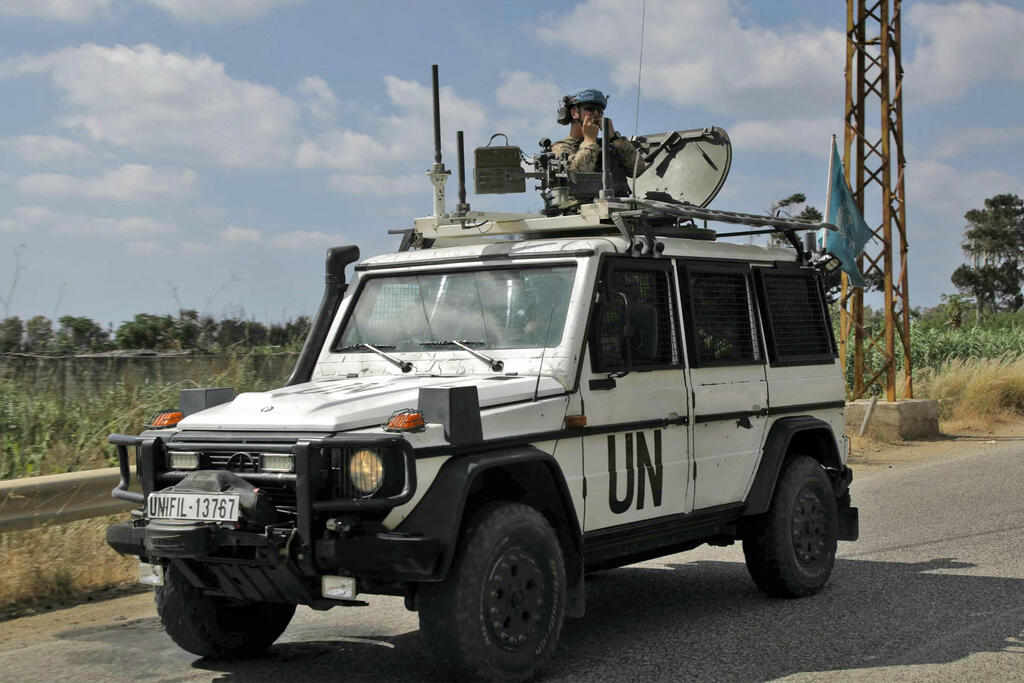
(Photo: Kawnat HAJU / AFP)
A senior Israeli official said the United Nations would not perform the verification role under any circumstances. The official added that the parties were examining several alternatives but that American troops were also unlikely to take part.
“Washington is not prepared for boots on the ground,” the official said.
The official said the Rome talks further strengthened the shared understanding between Israel and Lebanon that Hezbollah must be disarmed and that implementation of the trilateral framework should continue.
The pilot zones, he said, would test whether Lebanese sovereignty could be effectively asserted through agreed measures carried out by the Lebanese Armed Forces and verified by a third party.
The official also said neither the United Nations Interim Force in Lebanon nor the United Nations Truce Supervision Organization had been discussed and that neither would form part of any verification mechanism.
Talks are continuing over weapons stored on private property. The parties are seeking a solution that would facilitate the removal of illicit weapons while respecting Lebanese law.
Any expansion of the pilot-zone model will depend on the successful implementation of the initial two zones.