


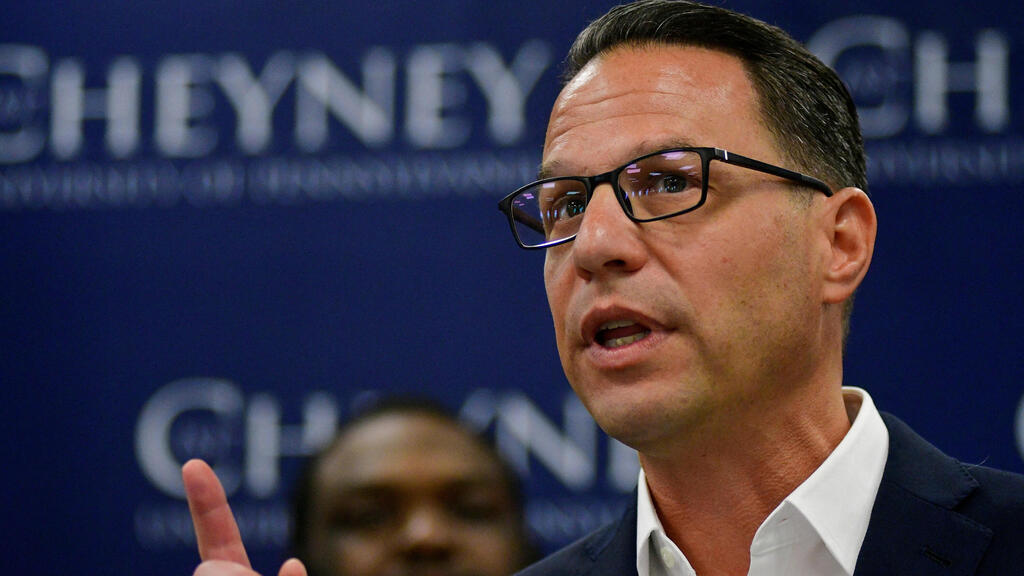
Pennsylvania Gov. Josh Shapiro, 52, reveals in a new memoir uncomfortable behind-the-scenes details from the Democratic Party’s 2024 presidential campaign. He writes that aides to Kamala Harris asked him during the vetting process for vice president whether he had ever served as an agent of the Israeli government or maintained ties with Mossad operatives.
The book, set to be published later this month under the title Where We Keep the Light, describes the screening process as ‘offensive and deeply coercive.’ Shapiro says the question was posed by Dana Remus, the former White House counsel and a senior figure on Harris’ vetting team, who asked whether he had ever acted as a ‘double agent’ for a foreign country, a well-known antisemitic trope, according to Shapiro.
When he objected to the premise and insult embedded in the question, he was told the team was ‘just doing its job.’ Remus followed up by asking whether he had ever communicated with an Israeli undercover agent. Shapiro replied, ‘If they were undercover, how the hell would I know?’ Shapiro writes that he privately wondered whether the ‘aggressive’ scrutiny of his support for Israel and his policy positions stemmed from the fact that he was the only Jewish candidate on the final shortlist for vice president. At the same time, it should be noted that questions regarding contacts with foreign intelligence services, including Israel’s Mossad, are standard practice in US security clearance procedures for sensitive positions. Shapiro’s decision to frame what is typically a routine security protocol as a personal affront may be seen as an attempt to settle scores with Harris and to suggest his rejection was motivated by improper considerations.
The strained relationship between the two is laid bare throughout the book. Shapiro recounts a tense one-on-one meeting in which Harris demanded that he apologize for his outspoken criticism of pro-Palestinian student protests at the University of Pennsylvania and other campuses. He flatly refused, saying he would not apologize for who he is or for his pro-Israel positions. According to Shapiro, Harris made it clear she was looking for a running mate who would offer ‘absolute support’ and take direction from her chief of staff, while he was seeking a ‘true partnership’ in decision-making. He writes that she wanted a ‘compliant aide,’ not a strong partner, because she herself felt insecure within the system.
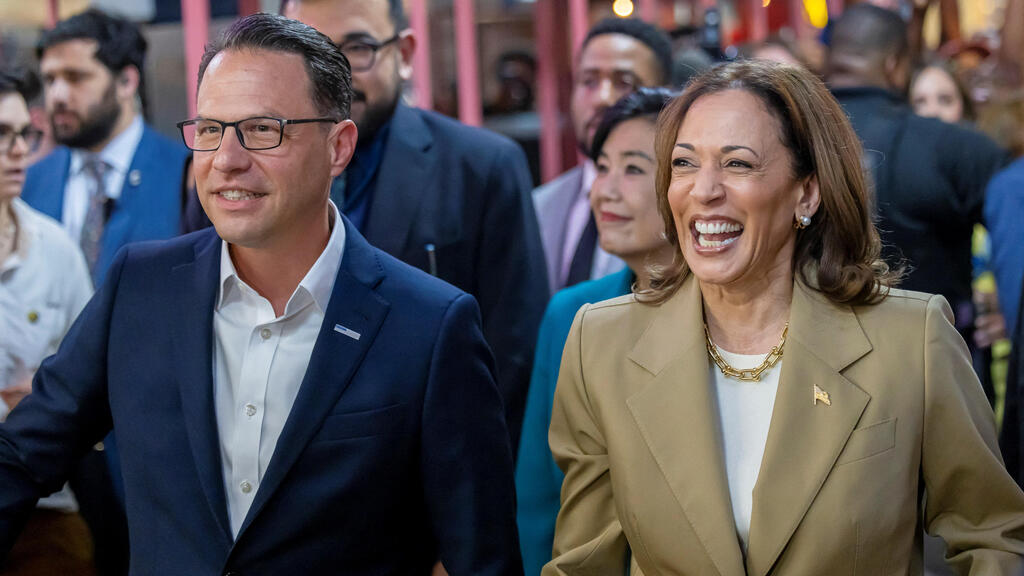
Kamala Harris and Josh Shapiro
(Photo: Kevin Mohatt/ Reuters)
Shapiro also describes Harris complaining during the interview about the harsh working conditions of the role, based on her own experience as vice president. She cited, for example, the lack of a private bathroom in the vice president’s office. ‘I was surprised by how much she seemed to resent the job,’ Shapiro writes. According to Shapiro, Harris’ team also tried to dissuade him financially. He says aides warned that the position would require his wife, Lori, to purchase an entirely new wardrobe and privately fund hair and makeup services at significant cost, as well as pay out of pocket for food and entertaining at the official residence. ‘Are you trying to convince me not to take the job?’ Shapiro recalls asking the stunned aides.
Harris, for her part, claimed in her own recent book, 107 Days, that Shapiro behaved arrogantly by asking, even before any appointment, how many bedrooms were in the vice president’s residence and whether the Smithsonian would lend him artwork. She described this as premature ‘curtain measuring.’ Shapiro fires back in his memoir, calling the claim false and a ‘malicious distortion.’ He says it was ‘nothing more than casual small talk with the residence staff,’ which was ‘blown wildly out of proportion’ and deliberately misrepresented by Harris’ aides to derail his candidacy. Harris also acknowledged in her book that she preferred Transportation Secretary Pete Buttigieg for the role. She ultimately abandoned the idea after concluding that running a Black woman and a gay man together would pose ‘too great a risk’ with American voters.
Kamala Harris concedes election loss
(Footage: Reuters)


Shapiro argues that the considerations weighing against him were not substantive but rooted in identity politics and Harris’ fear of a strong-minded running mate who might overshadow her. He writes that their disagreements extended beyond Israel to economic and social policy. In the book, Shapiro outlines positions that diverge from the party’s progressive line, signaling his intentions ahead of a possible 2028 presidential bid. He states that he opposed prolonged COVID-19 lockdowns, supports tax cuts and takes a favorable view of the fossil fuel industry, including fracking, a stance embraced by Donald Trump.
Those views place him to the right of today’s Democratic mainstream and are aimed at centrist and middle-class voters in Pennsylvania. Shapiro also writes that he was among the few who privately urged President Joe Biden to withdraw from the race after his poor debate performance against Trump, while many others in the party remained silent until it was too late. Shapiro also addresses the antisemitic attack that occurred during Passover last year, when a firebomb was thrown at the governor’s residence. He and his family were forced to flee the home in the middle of the night. The attacker, later arrested, admitted during questioning that the motive was anger at Shapiro’s Jewish identity and his accusation that Shapiro was responsible for ‘the deaths of Palestinians in Gaza.’
The incident, Shapiro writes, underscores the escalation of antisemitism in the United States, which he describes as ‘far more frightening and far more real.’