


Rising mental distress, declining personal security: Israel’s Central Bureau of Statistics on Monday released its Face of Society 2024 report, presenting social and economic indicators and focusing on conditions following the outbreak of the war on October 7, 2023.
The report analyzes the characteristics of Israel’s population as a whole, with particular attention to communities near the Gaza border, the Lebanon border and evacuees. These populations were examined across a range of areas, including demographics, welfare, employment, health, personal security, crime and justice, education, transportation and road accidents.
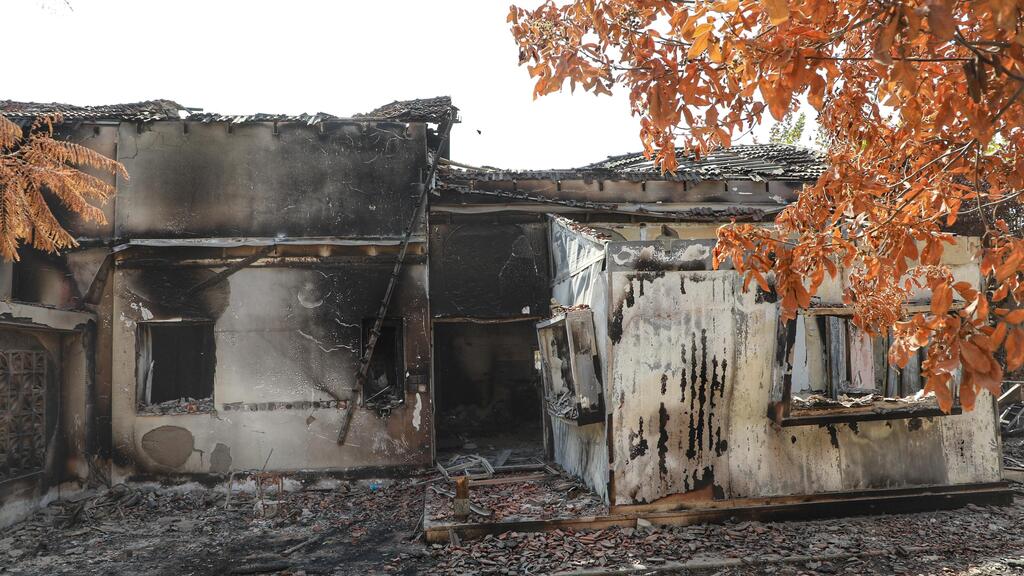
Health and demographics
In the October 7, 2023, attack, 1,076 Israelis were killed. That year, total war fatalities stood at 1,377, including 828 civilians and 509 soldiers. In 2024, 406 people were killed, 96 civilians and 310 soldiers.
Life expectancy in 2023, excluding civilians and soldiers killed in the war, stood at 83.8 years overall — 81.7 for men and 85.7 for women. When war fatalities were included, life expectancy fell by about half a year to 83.3 years — 81.0 for men and 85.5 for women.
In 2024, life expectancy excluding war fatalities declined slightly to 83.4 years — 81.3 for men and 85.4 for women. Life expectancy including war fatalities was slightly lower among men, at 81.1 years, and unchanged among women.
About 178,700 babies were born in 2023 and about 180,800 in 2024. In June and July 2024, births fell sharply, down 2.6% and 7.1% respectively compared with the same months in 2023. From August, births increased, peaking in September 2024 with a 7.2% rise compared with September 2023.
Gaza and Lebanon border communities and evacuees
At the end of 2023, Israel’s evacuee population totaled 128,600. By the end of 2024, that number fell to 67,400. In late 2023, 51,500 evacuees were from communities adjacent to the Gaza border and 76,800 from the wider Gaza border area. In 2024, evacuees from the Gaza border were only from fence-adjacent communities, totaling about 4,400.
At the end of 2023, about 504,800 residents lived within 15 kilometers (9 miles) of the Lebanon border. Of them, 51,900 were evacuees, including 49,500 from communities within 5 kilometers (3 miles) of the border. In 2024, about 63,100 evacuees were from the Lebanon border area, all from communities within 5 kilometers.
More than 134,000 evacuees were absorbed into communities other than their home localities in late 2023. Eilat absorbed the largest number, about 19,000, followed by Tel Aviv-Yafo with about 15,000 and Jerusalem with about 14,000.
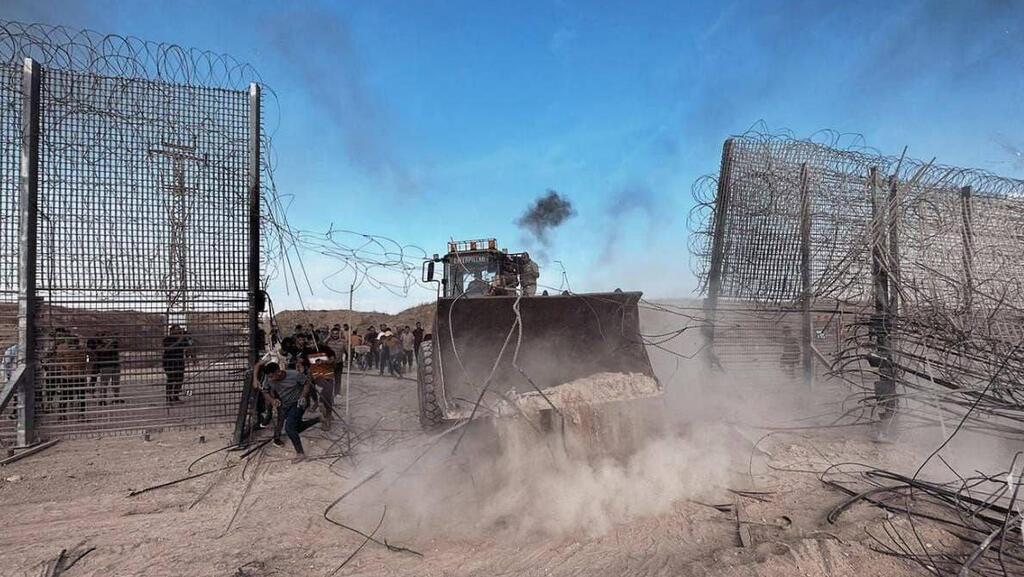
The breach of Gaza border communities on Oct. 7
Tourism
In the final quarter of 2023, tourist overnight stays plunged to about 500,000, down from 2.4 million in the same quarter of 2022. At the same time, Israeli overnight stays surged due to an additional 4.6 million nights by evacuees.
In 2024, tourist hotels recorded about 22.5 million overnight stays, a 13.6% decline from 2023. Tourist overnight stays fell by 75.9% to 1.9 million. Israeli overnight stays for leisure, excluding evacuees, totaled 13.2 million, down 3.8%. Evacuees accounted for about 7.5 million overnight stays.
Labor market
In the fourth quarter of 2023, with the outbreak of the war, the share of workers absent due to reserve military service rose sharply to 3.4% of all employed persons, or 147,300 people. As the war continued, the rate declined, reaching 0.5% in the first quarter of 2025, or 21,400 people.
Welfare services and disability
In 2024, about 1.32 million people were registered as having disabilities, 13.1% of the population. This marked a sharp increase of 13.5% from about 1.16 million in 2023. The rise included a significant increase in recipients of disability benefits from the National Insurance Institute, including those injured in hostile acts, which jumped from 4,200 in 2023 to 29,900 in 2024.
The number of people with disabilities among Gaza border residents rose from 52,900 in 2023 to 76,700 in 2024. In fence-adjacent communities, the number increased from 8,400 to 22,500.
The number of people with mental disabilities in fence-adjacent Gaza border communities rose sharply, from 1,600 in 2023 to about 8,600 in 2024. In the wider Gaza border area, the figure rose from 9,500 to 21,300.
Among residents within 5 kilometers of the Lebanon border, the number of people with disabilities increased from 12,700 in 2023 to 13,400 in 2024. Within 15 kilometers of the border, the number rose from 68,900 to 74,800.
At the same time, the number of Israel Defense Forces disabled veterans with mental injuries rose from 13,600 in 2023 to 16,100 in 2024, an increase of 18.1%.
Population well-being
Overall life satisfaction among those ages 20 and older remained high in 2024 at 91.1%, with no significant change from the previous year. However, fewer Israelis believed their lives would improve. The share who said their lives would not improve or would be worse rose from 30.7% in 2023 to 33.8% in 2024. The sharpest increase was among residents within 15 kilometers of the Lebanon border, from 28.6% to 39.2%.
The share reporting feelings of depression rose from 25.5% in 2023 to 33.9% in 2024. Among residents within 15 kilometers of the Lebanon border, it increased from 24.8% to 36.5%, and in the wider Gaza border area from 25.3% to 29.2%.

(Photo: Shutterstock)
The share reporting stress rose from 58.2% to 67.9%. Among residents within 15 kilometers of the Lebanon border, it climbed from 62.7% to 75.6%, and in the wider Gaza border area from 58.9% to 66.3%.
Thirty-four percent of partners of reserve soldiers reported financial difficulties due to reserve service, and 52% reported a deterioration in their children’s mental well-being.
Trust in government institutions
Among those ages 20 and older, trust in the judicial system fell from 43.5% in 2023 to 42.2% in 2024. Trust in the government also declined, from 26.9% to 24.6%. These are the lowest levels recorded since 2015.
Personal security
In 2024, 33.6% of those ages 20 and older reported fear of terror attacks in their area. Higher rates were recorded in communities within 15 kilometers of the Lebanon border, at 38.1%, and in Gaza border communities, at 55.1%.
The share who felt safe walking alone in their neighborhood at night fell from 73.9% in 2023 to 72.7% in 2024. In Gaza border communities, the drop was especially sharp, from 80.4% to 64.9%. In contrast, communities within 15 kilometers of the Lebanon border saw an increase from 74.1% to 76.9%.
Overall feelings of personal security declined from 82.0% to 80.2%. In communities within 15 kilometers of the Lebanon border, levels remained similar to the national average, while in Gaza border communities they fell sharply from 84.6% to 65.2%.
Demographics
Israel’s population in 2024 was estimated at about 10.065 million. Of them, about 7.7 million were Jews and others (76.4%), about 2.1 million were Arabs (21.0%) and about 260,000 were foreigners (2.6%). By religion, 73.6% were Jewish, 18.5% Muslim, 1.8% Christian, 1.6% Druze and 4.5% unclassified.
Migration
During the war period, from October 2023 to September 2024, 79,900 Israelis emigrated, up 6.9% from the previous year. The number of Israelis who returned during that period fell by 19.8% to 19,900.
Marriages
In the fourth quarter of 2023, the number of marriages fell by about 21% compared with the same quarter of 2022, from 10,729 to 8,489. Similar declines were recorded among Jews and Muslims.
Births
More than half a million babies were born in Israel between 2022 and 2024: about 181,800 in 2022, 178,700 in 2023 and 180,800 in 2024.
Birth rates in the first five months of 2024 were similar to those in 2023. In June and July, births declined sharply compared with the same months in 2023, before rebounding from August and surpassing 2023 levels in several months. The peak came in September 2024, with a 7.2% increase compared with September 2023.