

I usually see Iman at pro-Palestinian demonstrations in Berlin. That’s where we share the hatred directed at journalists. Our photos circulate on every website. He’s an exile from Iran, the son of a father who was murdered in prison after being arrested for political activism.
Whenever we meet, we talk about our shared dream—always the same dream: how we’ll one day fly together to Tehran, wander through the bazaars, touch our heritage and sip steaming, authentic ghormeh sabzi.
We developed an idea together: that he would connect me with activists inside Tehran who could tell us about life in Iran—the struggle, the hope and despair, the fear and the courage. A bridge for Israeli readers to a world that is entirely out of reach for them. After a few weeks, the first phone call came through. We decided to call her Azita and omit any identifying details, out of fear that revealing them could put her in danger.
Since then, we’ve spoken about ten times. At first, she was hesitant. I asked questions in English. Iman translated. She answered in Persian. Iman translated back. But I didn’t need a translator to immediately understand that she was incredibly brave—not just for protesting against the regime, but for speaking to someone from “the Little Satan.”
Once, I asked her why she did it at all. She said, “I want the world to know about the other Iranians. We want people to know what we’re going through. We don’t want the world to say it didn’t know.”
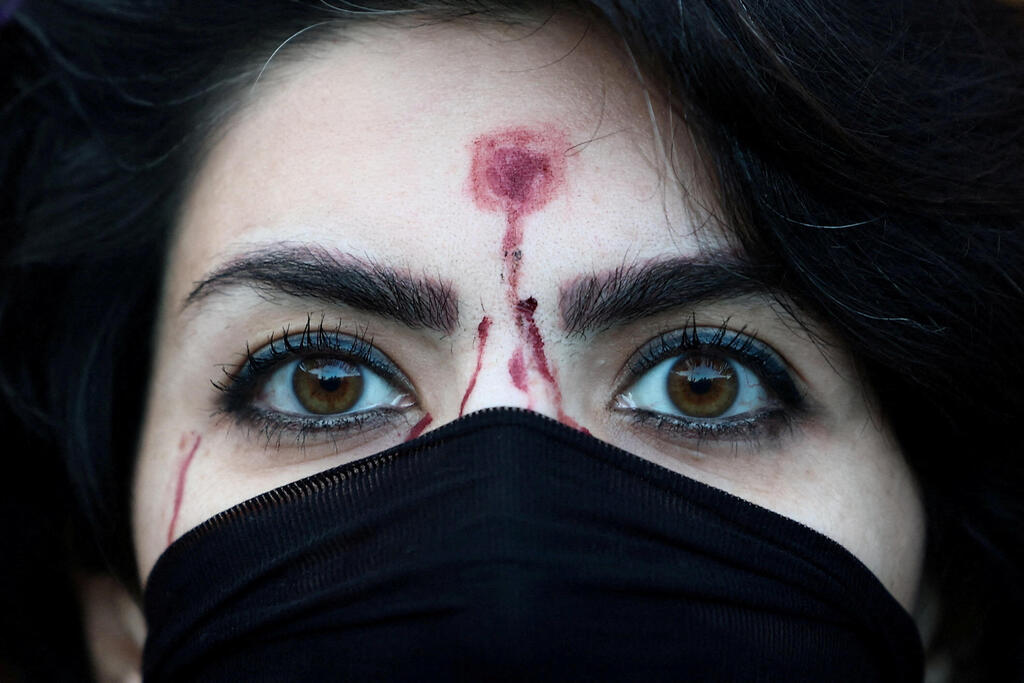
Anti-regime protests in Isfahan, Iran


Sometimes, she answered directly in English. Her words would pour out, unstoppable. Long, unbroken monologues. Sometimes, even when recounting the most humiliating, horrific moments—about friends who had died or disappeared—she would burst into laughter. Sometimes, she showed me the pots cooking on the stove in her modest kitchen.
We spoke a lot during the summer war. “What kind of crazy reality is this,” she said, “when war gives us hope—when the planes bombing overhead make us feel more alive? We’re living a roulette of life or death, and we go out and celebrate it, because it’s less despairing than our normal reality.”
Her greatest fear was betrayal by the West—its unwillingness to join their fight against the tyrants ruling their lives.
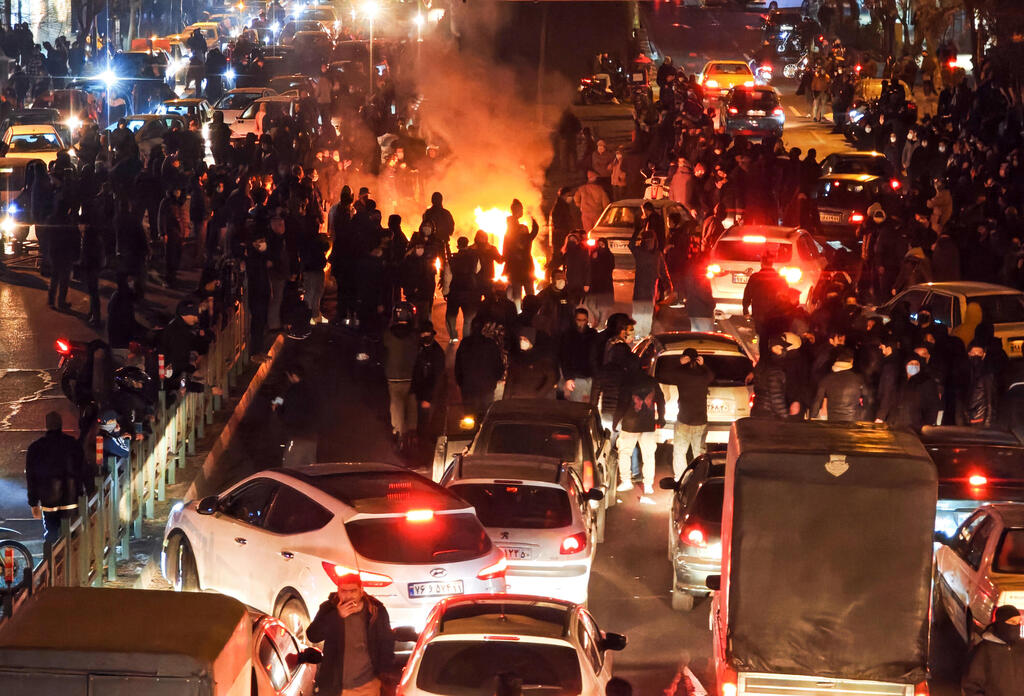
Anti-regime protests in Tehran, Iran
(Photo: Anonymous/Getty Images)
She told me, through tears, how more and more people were joining the resistance, how music was being played in the streets, how women were walking without hijabs. I asked her why she was crying, what had happened to her rolling laughter. She said she was crying because normalcy was out of reach.
Our last conversations were during the current wave of protests. She described an unbearable economic reality, a daily struggle to afford life’s basic necessities and a total lack of faith in a regime that had failed to protect its people—even its top commanders and scientists—from Israeli strikes. And yet, she was full of hope. The despair had vanished.
“We’ve lost our fear of death,” she told me. “We’re not afraid of fear.”
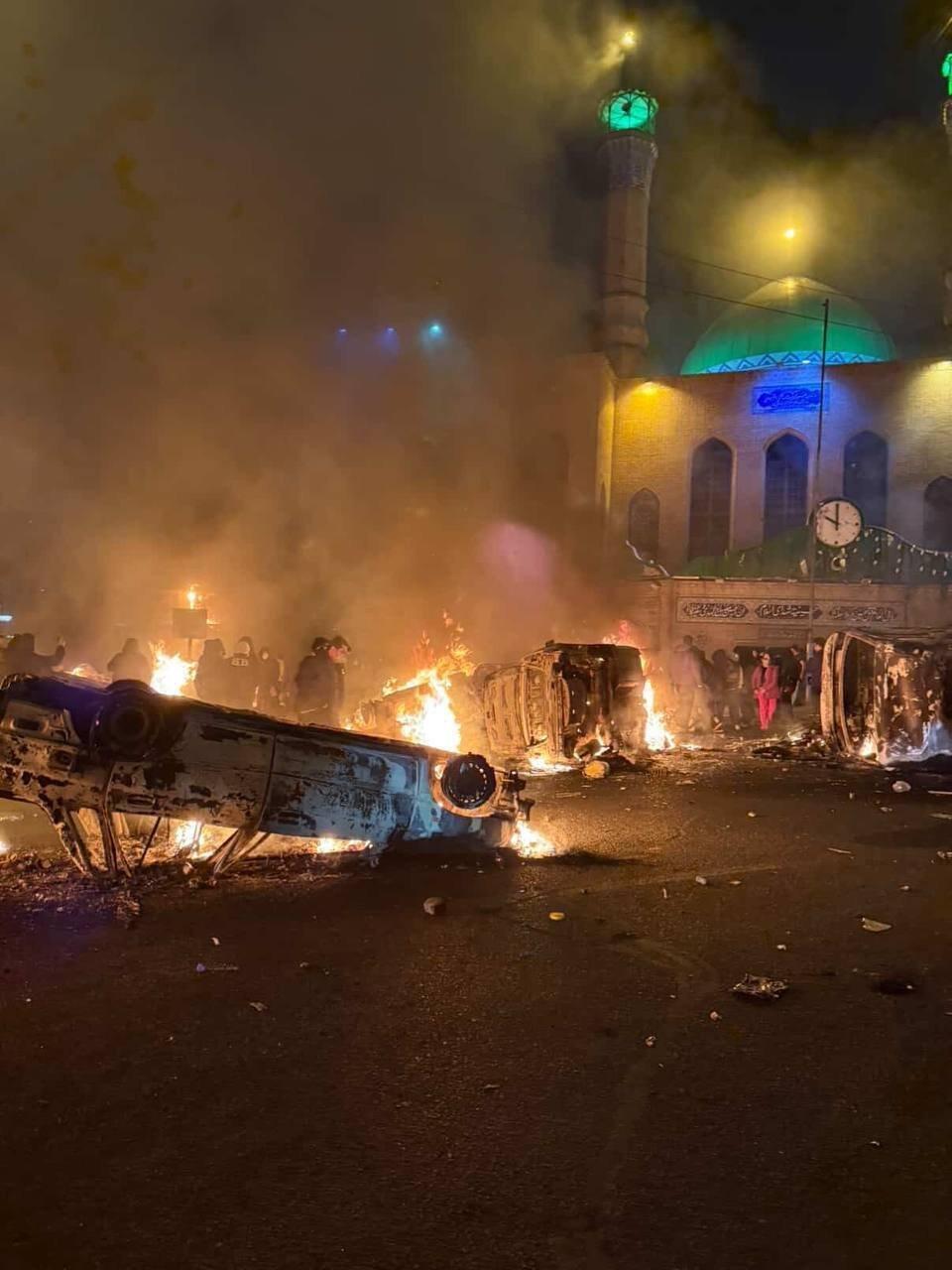
Anti-regime protests in Tehran, Iran
In recent days, with internet access blocked across Iran, we lost contact. This morning, I told my editor that there was still a chance she might give us a firsthand account of what’s happening on the ground. But at 4 p.m., I received a text from Iman. Security forces had shot her dead in the street.
Iman and I spoke again after he told me. Mostly, we spoke in silence. I told him she had helped us weave the dream—that one day, we’d walk together through the bazaars of Tehran, the alleyways of Mashhad, the streams and forests near Isfahan. That we’d look for the apartment Azita lived in—or for her grave. A rare bird.