

Israel’s Central Elections Committee on Wednesday disqualified Balad chairman Sami Abu Shehadeh from running for the Knesset, hours after it also voted to bar Joint List candidate Ofer Cassif. The decisions are expected to face Supreme Court review.
Responding to the decision, Abu Shehadeh said: “I will continue to work for human rights, freedom and equality. The attempt to disqualify me is an attempt to silence the voice of Arab society.”
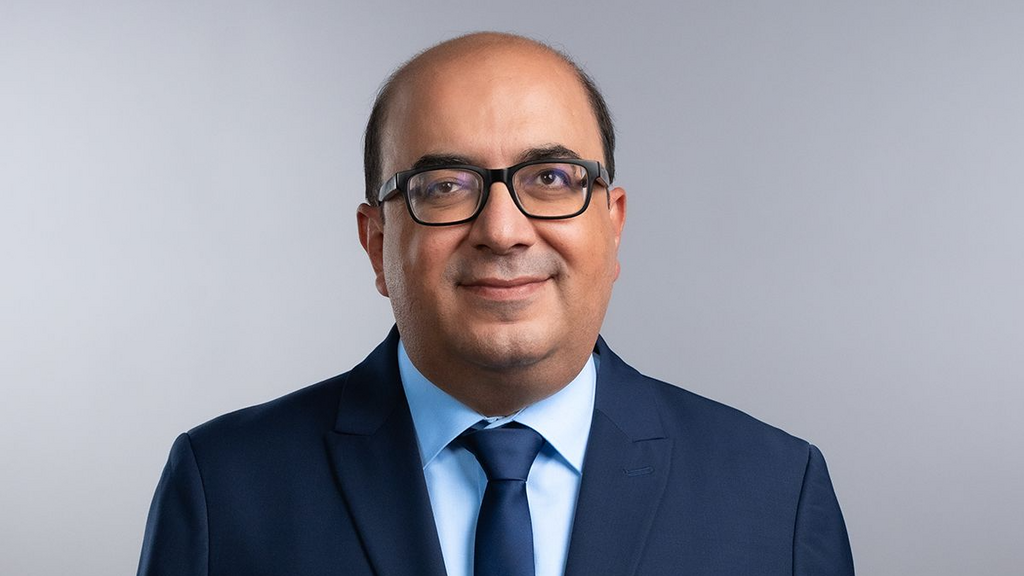
“The improper attempt to silence me and remove me from the public arena will not change my path. I have never called for violence or terrorism. I oppose armed struggle and remain committed to political and civic struggle for peace, justice and equality,” he said.
“Decades of my public activity speak more clearly than anything else about the path I have chosen: joint Arab-Jewish activity, advancing human rights and equality, and fighting for the most disadvantaged groups in society. The attempt to disqualify me is an attempt to harm the representation and political voice of Arab society. I will continue to act out of a deep commitment to the values of freedom, justice and equality, and for a future of dignity and hope for all people who live here.”
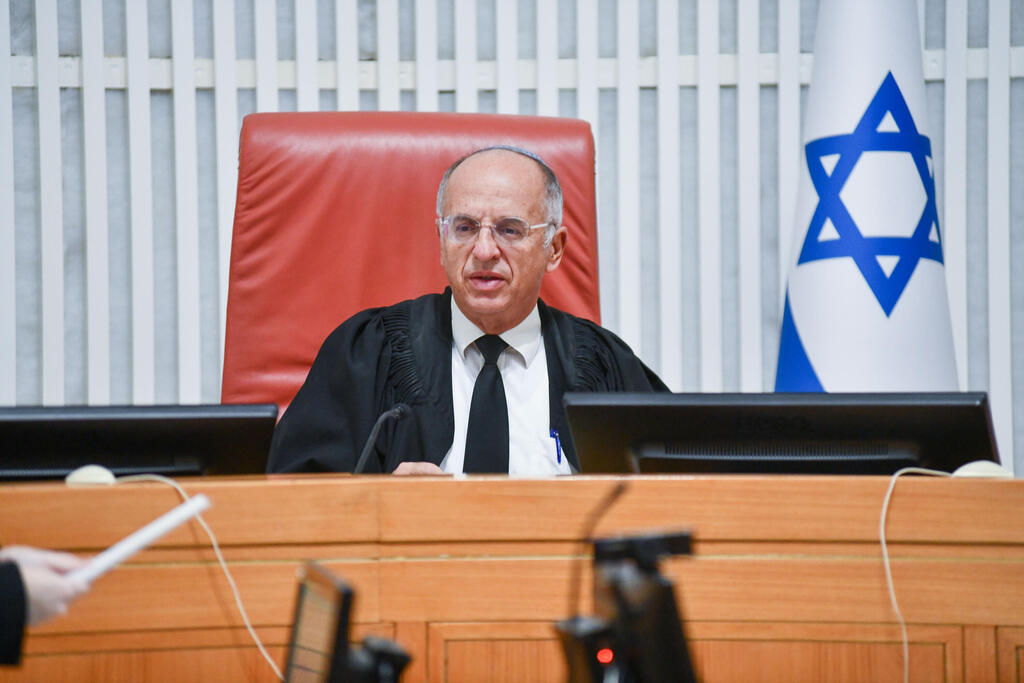
Committee chairman and Supreme Court Justice Noam Sohlberg
(Photo: Rafi Kutz)
In an unusual move, committee chairman and Supreme Court Justice Noam Sohlberg voted in favor of Abu Shehadeh’s disqualification. Attorney General Gali Baharav-Miara also hardened her position during the hearing, saying there was a sufficient basis for the request to bar him.
The petition against Abu Shehadeh was filed by Otzma Yehudit and centered on an article he published on Oct. 8, 2023, one day after the Hamas massacre. The attorney general said Tuesday that the evidentiary record raised grounds to conclude that Abu Shehadeh had supported Hamas’ armed struggle against Israel and urged the committee to give the disqualification request serious consideration.
During Wednesday’s hearing, Abu Shehadeh participated by Zoom and was pressed by Sohlberg over his description of the events as an “important historical event.”
“What was the importance?” Sohlberg asked.
Abu Shehadeh replied that by “important historical event” he meant an event after which “what comes after will not be what came before.”
He later said he regretted writing the article and denied ever supporting Hamas or any other armed organization.
“I am not pretending. I did not know the scale of the atrocities and the killing,” Abu Shehadeh said. “I should not have written that article. I have never supported and do not support the armed struggle of Hamas or any other organization. I condemn October 7 and all the atrocities and massacres committed during it.”
Baharav-Miara rejected that explanation during the hearing, calling Abu Shehadeh’s arguments unconvincing and saying there was a basis for the disqualification request.
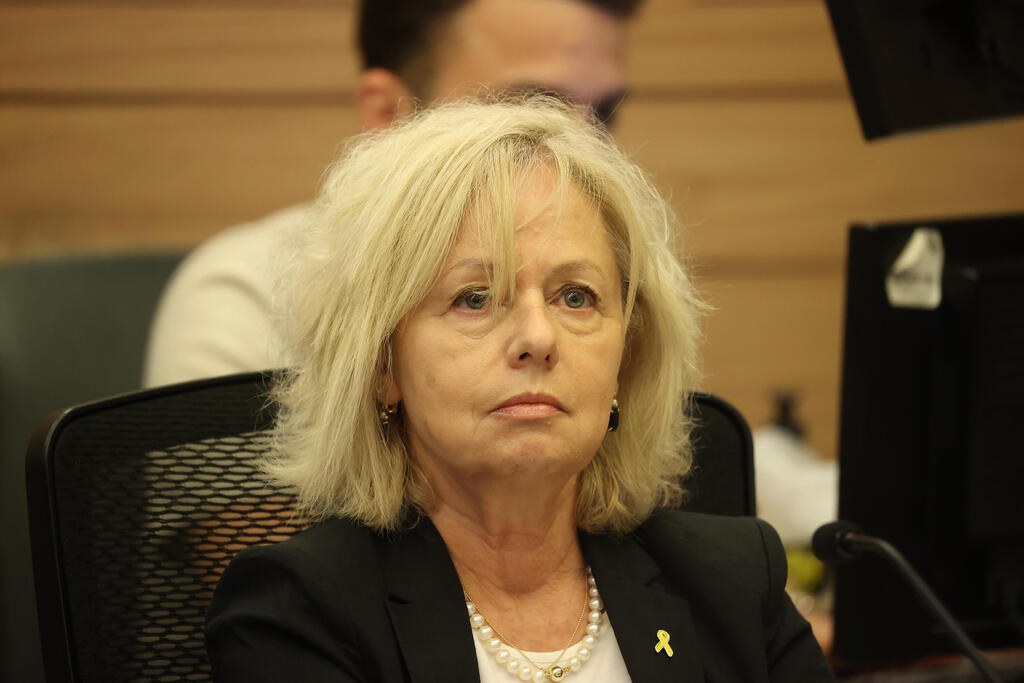
Attorney General Gali Baharav-Miara
(Photo: Amit Shaabi)
Otzma Yehudit chairman Itamar Ben-Gvir, who appeared before the committee to argue for Abu Shehadeh’s removal, said the Oct. 8 article amounted to glorification of the Hamas attack. Abu Shehadeh has maintained that at the time he wrote it, he did not yet know the full scale of the massacre.
The committee earlier voted to disqualify Ofer Cassif, following a petition submitted by Likud. Cassif rejected the allegations against him, arguing that his opposition to Israeli government policy and military conduct did not amount to support for Israel’s enemies.
Sohlberg opened the hearings by stressing that Section 7A of the Basic Law: The Knesset, which allows candidates and parties to be barred from elections, must be applied with restraint.
“As a starting point, we want to allow a wide variety of opinions to be expressed in the democratic sphere, and as a rule we do not want to prevent the public from expressing its view,” he said.
The committee is considering 10 disqualification petitions against candidates and parties. Three target Ra’am, while separate petitions seek to bar Otzma Yehudit, the Democrats, Religious Zionism and Zehut, the Joint List and Balad.
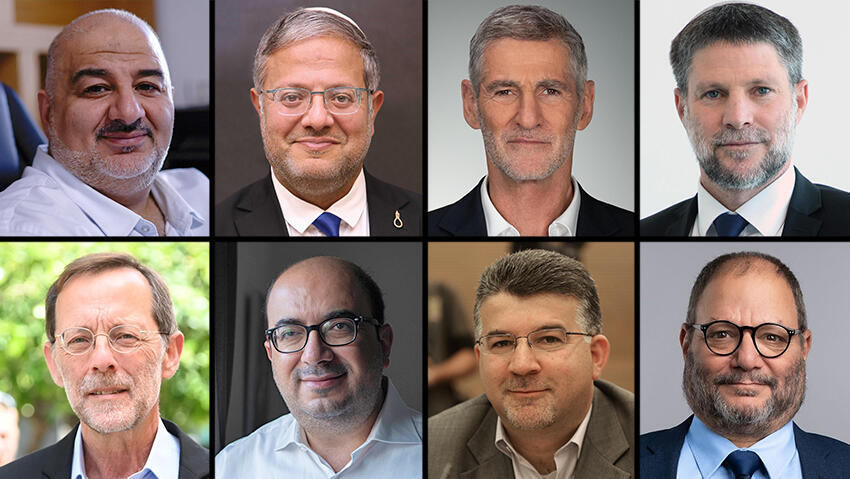
Representatives of the parties and candidates facing disqualification petitions: Mansour Abbas, Itamar Ben-Gvir, Yair Golan, Moshe Feiglin, Bezalel Smotrich, Sami Abu Shehadeh, Yousef Jabareen and Ofer Cassif
(Photo: Jalaa MAREY / AFP, Ryan Frois, Alex Kolomoisky, Yuval Chen, Yair Sagi, Elad Malka, Joint List Spokesperson’s Office)
Under Section 7A, a candidate or party may be barred from participating in elections for denying Israel’s existence as a Jewish and democratic state, inciting racism or supporting the armed struggle of an enemy state or terrorist organization against Israel.
Several opposition parties had already announced support for Abu Shehadeh’s disqualification. Democrats chairman Yair Golan said his party opposed efforts to disqualify Ra’am and the Joint List as a whole but viewed Abu Shehadeh’s Oct. 8 remarks as crossing a democratic red line.
Yashar!, headed by Gadi Eisenkot, Blue and White and Yisrael Beytenu also backed barring Abu Shehadeh. Yashar! does not have a representative on the committee and therefore could not vote.
The Central Elections Committee has previously disqualified parties and candidates only for those decisions to be overturned by the Supreme Court. Cassif himself was barred by the committee ahead of the April 2019 election, but the court reversed that decision.
The same legal battle now awaits Abu Shehadeh, with the Supreme Court expected to determine whether the evidence against him meets the high threshold established in previous rulings for excluding a candidate from a Knesset election.