



Hundreds of surface-to-surface missiles and drones were intercepted during the war with Iran, in a campaign led by air defense systems and Air Force pilots that achieved over 99 percent success despite heavy losses.
Maj. L., who oversaw the Interception Management Center, told Ynet that “Iran had a possible course of action as early as October 7, which intensified around the recent attacks.”
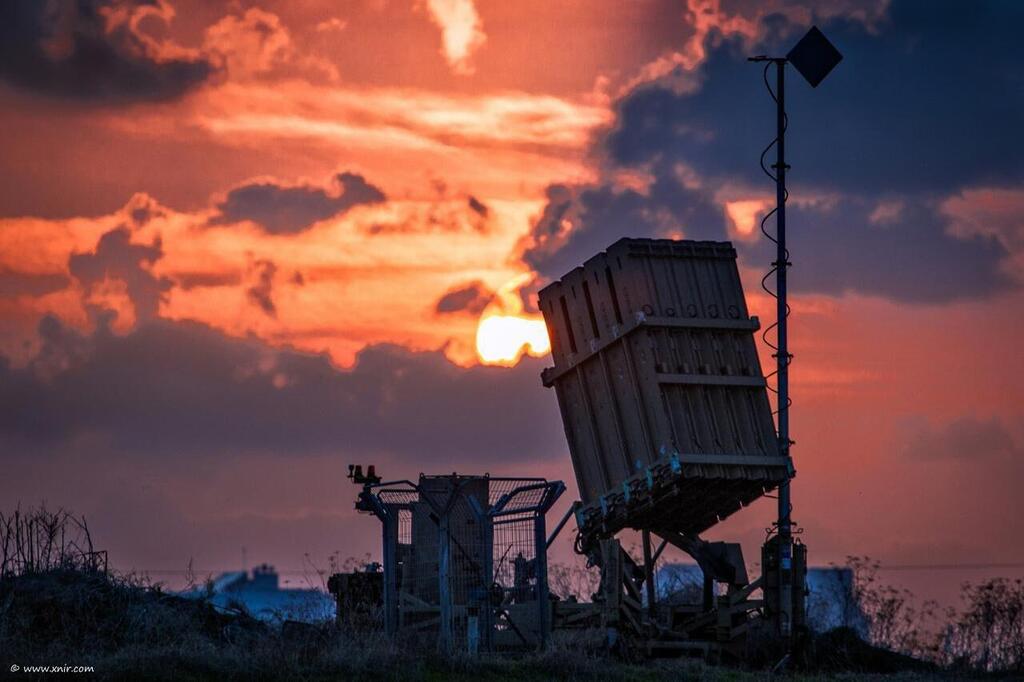
Maj. L., 25, joined the air defense corps in 2018 and later entered the command track. She now commands a battery in the 137th Battalion, responsible for the northern sector and focused primarily on threats from Lebanon during the war. “It’s not the first time we’ve faced Iran, but never on this scale. We prepared extensively and knew we would succeed,” she said.
“We always prepare for the worst-case scenario and never underestimate the enemy. That’s why we were able to handle Iran’s first strike on June 13 so effectively,” she said, noting the team was positively surprised by Iran’s initial lack of response. “Since October 7, we’ve been anticipating this. We relied on intelligence, trained in simulators for a potential Iranian strike and staffed shifts based on the threat—whether drones or rockets—assigning tasks accordingly.”
Maj. L. explained that routine weapons maintenance becomes even more critical under threat. “We make sure everything is operational and ready. We’ve been preparing for these moments. Being part of such a vital mission is fulfilling. You feel like a shadow figure—doing what’s needed without talking much about it.”
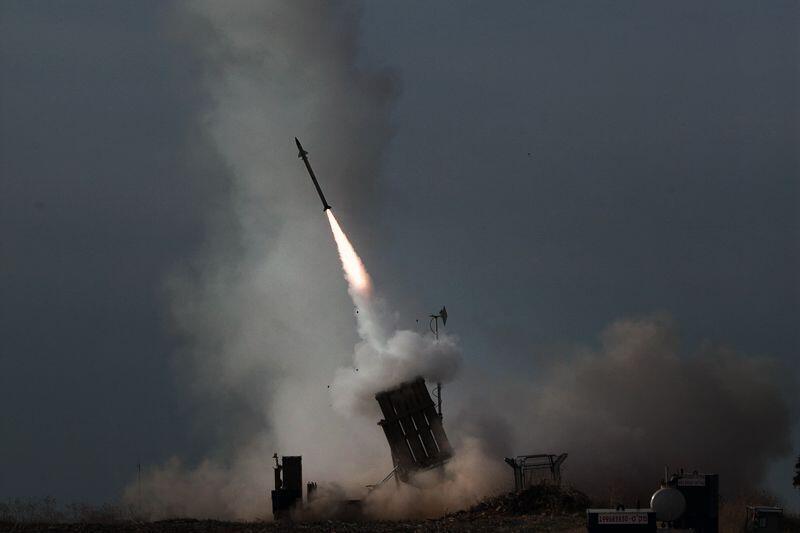
Iron Dome air defense battery
(Photo: IDF)
She also described the emotional toll of unsuccessful interceptions. “It’s not easy. You have to absorb and process it in the moment. You ask whether we could’ve done something differently or if it was beyond our capabilities. You learn that this is part of the job. With all the challenges, you also do a lot of good. Every event is debriefed, and as a commander, I learn how to act better next time.”
‘You can’t stop’
During an average shift in an air defense battery, which lasts about three and a half hours, five soldiers are typically on duty—a commanding officer, interceptors and a technician, all working together in a control trailer. Staff Sgt. D., 20, is one of the battery’s interceptors. He began his shift at 2:30 a.m., just 30 minutes before sirens rang out across Israel, signaling the start of the military campaign. “I wanted to join the corps to defend civilians. I enlisted at exactly the right time to do that,” he told Ynet.
Get the Ynetnews app on your smartphone: Google Play: https://bit.ly/4eJ37pE | Apple App Store: https://bit.ly/3ZL7iNv
“We prepared for months, thinking about what might happen, but we only realized it was happening just a few hours beforehand. I watched the planes take off and saw the sheer force of the Air Force—how powerful we really are. We were waiting for their response, filled with pressure and adrenaline. It was an intense experience. Luckily, the scenario we prepared for didn’t play out that night, but that moment will stay with me for the rest of my life.”
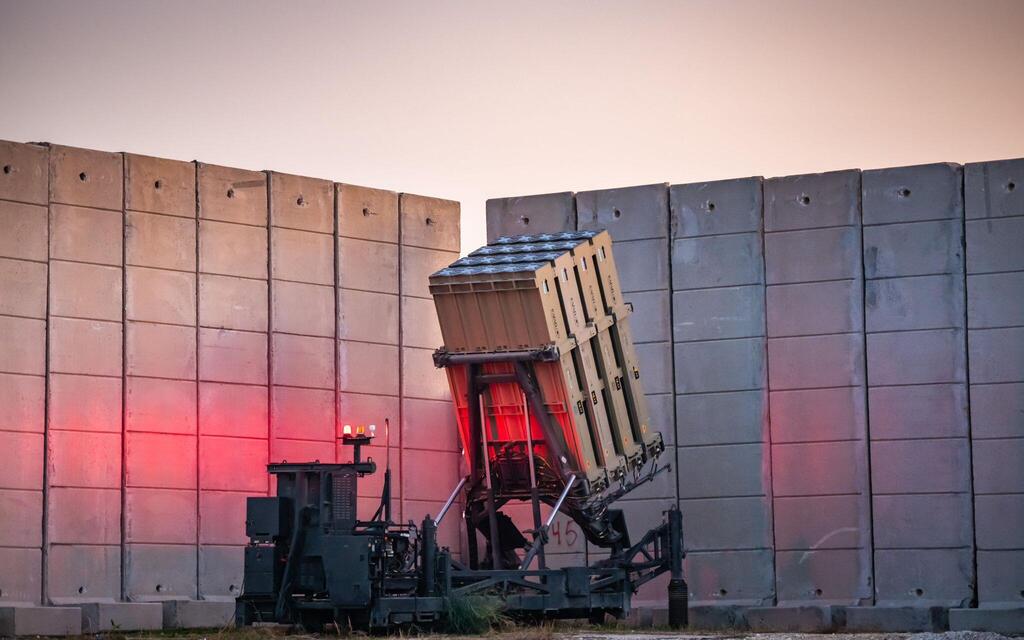
Iron Dome air defense battery
(Photo: IDF)
Staff Sgt. A., 20, a technician in the battery, described the constant work to keep the system ready. “We maintained the battery to be ready for any attack. It’s a round-the-clock job, with no set hours. It’s a source of pride. We know we’re protecting people—lives depend on us. When I’m on shift, I’m defending my own home and family. And when I come home, my parents are proud of me.”
He spoke about how resilience grows with experience. “There was a six-month stretch during the Lebanon war when I wasn’t intercepting. I saw successful operations, and some that weren’t. In moments like those, you have to detach from the event, accept that what happened has happened, and learn from it. You can’t stop your shift, can’t freeze or mourn. You just have to keep going, and do your best.”