

Amine Ayoub, a Moroccan journalist and Middle East Forum fellow known for his outspoken pro-Israel advocacy, had no political mission in mind when he planned his latest trip. He simply wanted to see his brother, who lives in Houston, and they agreed to meet in the Bahamas.
Looking at the map, Ayoub decided to travel through Cuba — “the closest place” — instead of Brazil or Panama. “I thought with all their speeches about peace and all the good things they say about themselves, it would be fine,” he says. “I didn’t know Cuba was going to hate me and treat me like this.”
'I was detained in Cuba for my pro-Israel work'
(Video: Yaron Brener)


His flight took him from Morocco to France and on to Havana. But the welcome in Cuba was nothing like he expected. “When I landed, they treated me like a terrorist,” he recalls. He was held for four to five hours on arrival, questioned intensively because his passport contained many Israeli visa stamps. They asked if he had lived in Israel and pressed him about his connections there. “They held me there like a criminal,” he says.
The treatment was both intimidating and calculated. “They did it in a trick,” Ayoub explains. “They said, ‘Oh, let us see your reservations,’ so they took my phone — and then held it for a couple of hours. I don’t know what they did with it. I probably need to change my phone. I do a lot of my work on that phone.”
Eventually, Cuban officials let him into the country for the three days he had planned before continuing on to the Bahamas. But when he arrived at the airport with his Bahamas ticket in hand, “some civilian just showed up and took my passport. No, you cannot go to the Bahamas,” they told him. “What is the problem?” he asked. “They don’t even explain. It’s like I’m a criminal.”
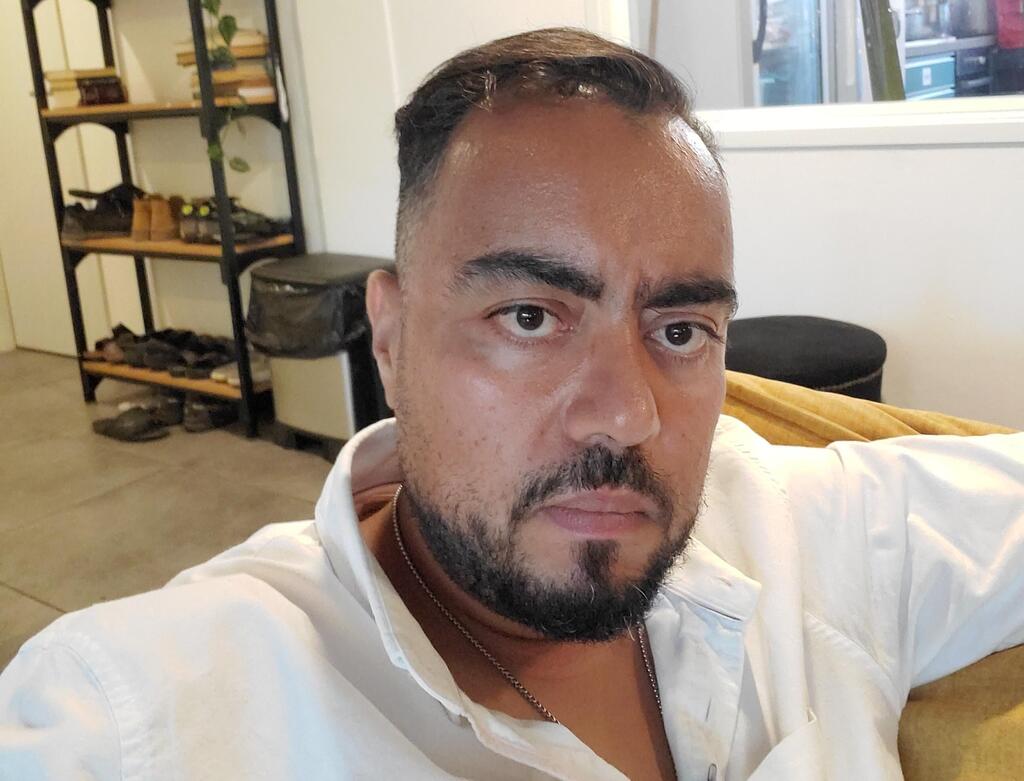
The Cubans claimed that “the Bahamians don’t want you” — yet his Bahamian visa was still valid. There was no paperwork, no formal explanation. Instead, he was ordered to return to Morocco immediately and was placed in a holding room with metal chairs for over 30 hours. “No food, no water,” he says. “If I had to go to the bathroom, a police officer — I don’t even know if they were police — followed me. It was a crazy experience, those 32 hours.”
Even pro-Israeli advocacy has hidden fees
For Ayoub, the explanation is obvious: his pro-Israel activism. “That’s what actually explains it, with all those questions they asked and the way they treated me,” he says. He notes that the Cubans seemed careful to avoid leaving any record — no forms, no documentation of the detention. “They have these techniques to not have any record of what they did to me.”
The ordeal ended only when he was marched onto a plane by the chief of police at Havana airport, surrounded by multiple officers who stayed on board until he was seated. “I still have physical pain from sleeping on that place for 32 hours,” he says. “There are psychological effects, too. I’m still disturbed because I don’t know what those guys wanted. They could've probably hurt me.”
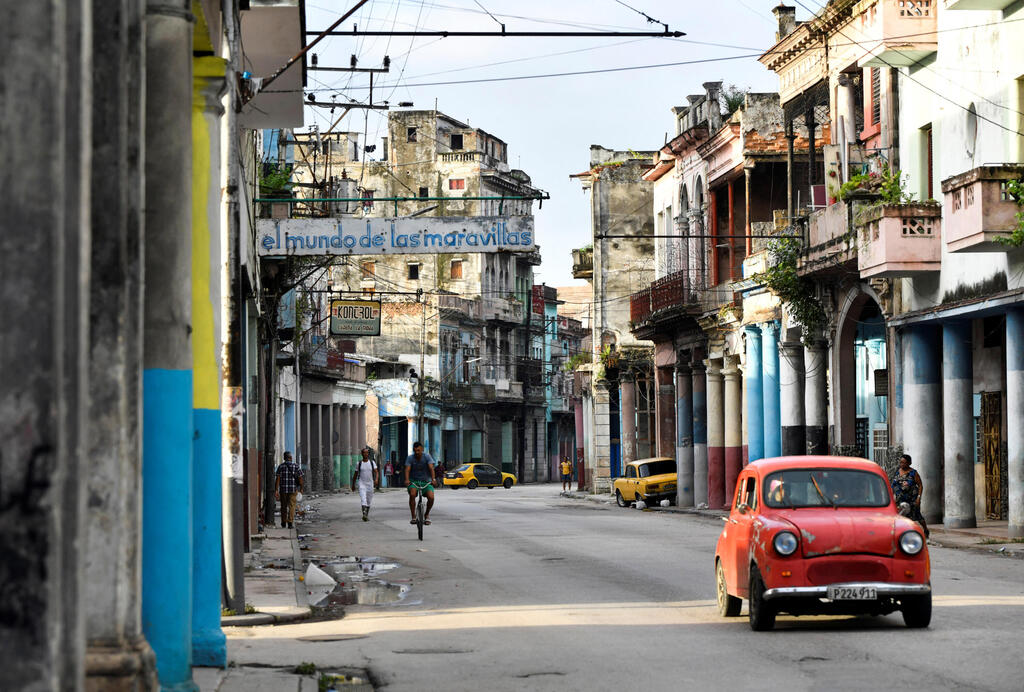
Havana, Cuba
(Photo: REUTERS/Norlys Perez)
The trip cost him a significant amount of money, and more importantly, he never saw his brother. But it also deepened his sense of the risks faced by people in his line of work. “This is a dangerous time for pro-Israel work, for pro-Israel activists,” Ayoub warns.
“It’s a dangerous time to travel. A lot of my work, I might be banned in many countries, including Turkey. Imagine if I were transferred to Turkey from Cuba and not to France — imagine what would have happened to me. I write a lot about Islamism in Turkey. This is a dangerous time, but we have to do it. We have to talk about the truth and against evil.”