

As the Israel Prison Service (IPS) finalizes preparations for the release of hundreds of prisoners under the latest hostage deal, officials are increasingly worried about what will happen afterward. Senior officers warn of possible riots among inmates who remain behind bars once they realize they will not be included in any future exchanges.
Finance Minister Bezalel Smotrich claimed in a recent post that “Israel’s prisons will empty out” following the deal. But Commissioner Regev Daharug, head of the IPS Planning Division and former chief of the Intelligence Department, says the reality is far more complex — and potentially volatile.
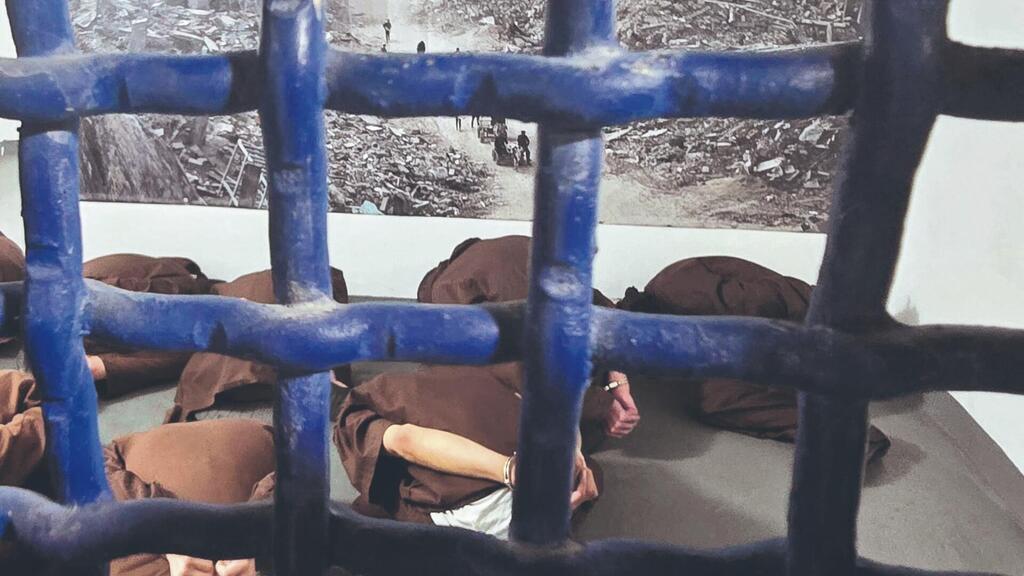
“The hourglass has turned,” Daharug said. “Those who hoped for release will soon understand it won’t happen. Hope will turn into frustration. You can already feel the tension in the air.”
9,000 prisoners will remain behind bars
Under the deal, Israel will release about 250 life-sentence prisoners and 1,700 detainees from Gaza arrested after October 7. But even after the exchange, some 9,000 prisoners will remain incarcerated.
“The public is talking about the prisons emptying, but that’s far from reality,” Daharug said. “Those staying inside are the hard core—many of them administrative detainees and key operatives. What keeps them going is the hope for a deal. Once that hope dies, frustration will take over. In that state, the prisons could ignite.”
IPS prepares for “the day after”
The IPS began preparing for this scenario a year and a half ago, when Commissioner Kobi Yaakobi took office. His strategic plan focused on readiness for the “day after,” anticipating that the end of prisoner-exchange deals could trigger widespread unrest in security wings.
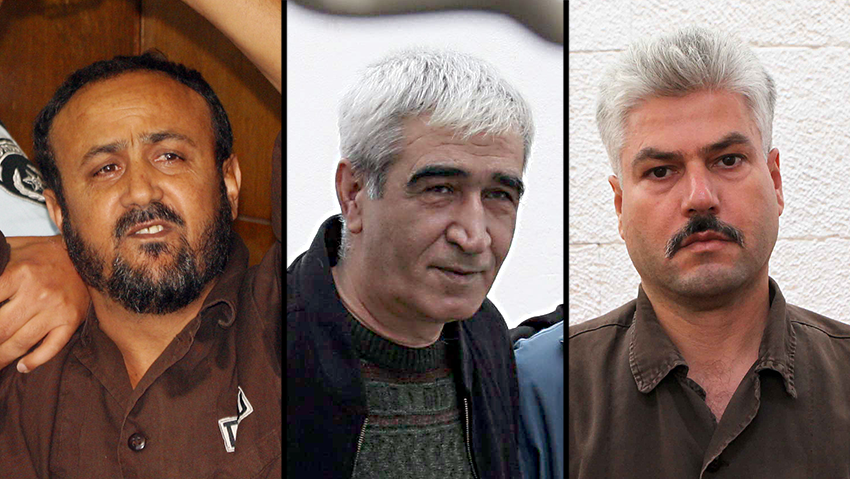
Among the prominent prisoners who will not be released are Marwan Barghouti, Ahmad Sa’adat, and Abbas al-Sayed
(Photo: Noam Moskowitz, Atta Awisat, Yariv Katz)
The elite Metzada unit has since doubled in size, new rapid response teams have been deployed in sensitive wings, and the intelligence division has expanded by hundreds of officers.
“Behind the doors it’s quiet — but it’s a silence waiting to explode,” Daharug warned. “We must be ready for any scenario, even one we haven’t seen in years.”
Prisons overcrowded, tensions high
Israel currently holds about 12,000 security prisoners, including 700 still held in IDF facilities awaiting transfer to the IPS. The occupancy rate in security prisons stands at 145%, and around 4,000 inmates sleep without beds, a condition made possible under Israel’s declared “incarceration emergency.”
“This deal will release hundreds of prisoners,” Daharug concluded, “but it will also release new tensions. This isn’t the end of the story. The day after could be sensitive, charged, and dangerous.”