


Retired Judge Asher Kula, 71, who in May was appointed state ombudsman for judges, returned to the public spotlight Tuesday after Justice Minister Yariv Levin announced his appointment as head of the investigation into the leaked video from the Sde Teiman affair, a move strongly opposed by Attorney General Gali Baharav-Miara and expected to be challenged before the High Court of Justice.
In a letter to Acting Civil Service Commissioner Prof. Daniel Hershkowitz, Levin stated that Kula had agreed to the appointment.
Gallery

Kula (second from left) will lead of the investigation into the leaked video from the Sde Teiman case
(Photo: Shalev Shalom, Rafi Kutz, Amit Shabi)
Levin said he selected Kula because he “has knowledge and experience in criminal law, heads a system that can assist him in the role, is not subordinate to any government legal authority and will enjoy broad public trust, an essential element in such a sensitive and complex matter.”
Kula confirmed that he would accept the position should it be formally assigned to him, in accordance with the law.
Kula, a resident of Hispin in the Golan Heights, is widely regarded as a skeptical and independent jurist, seen as a unique figure in Israel’s legal landscape. He was appointed as the first state ombudsman for judges under a newly revised law at the heart of Levin’s controversial judicial reform drive, which gave the selection committee, chaired by the minister, a coalition majority.
Critics argued the move was politically motivated and could undermine the institution’s independence, though even detractors acknowledged Kula’s integrity and professionalism.
In announcing the appointment, the Justice Ministry said Kula brings “a clear judicial philosophy, extensive judicial and administrative experience, professional integrity and the critical, balanced outlook essential for the role.”
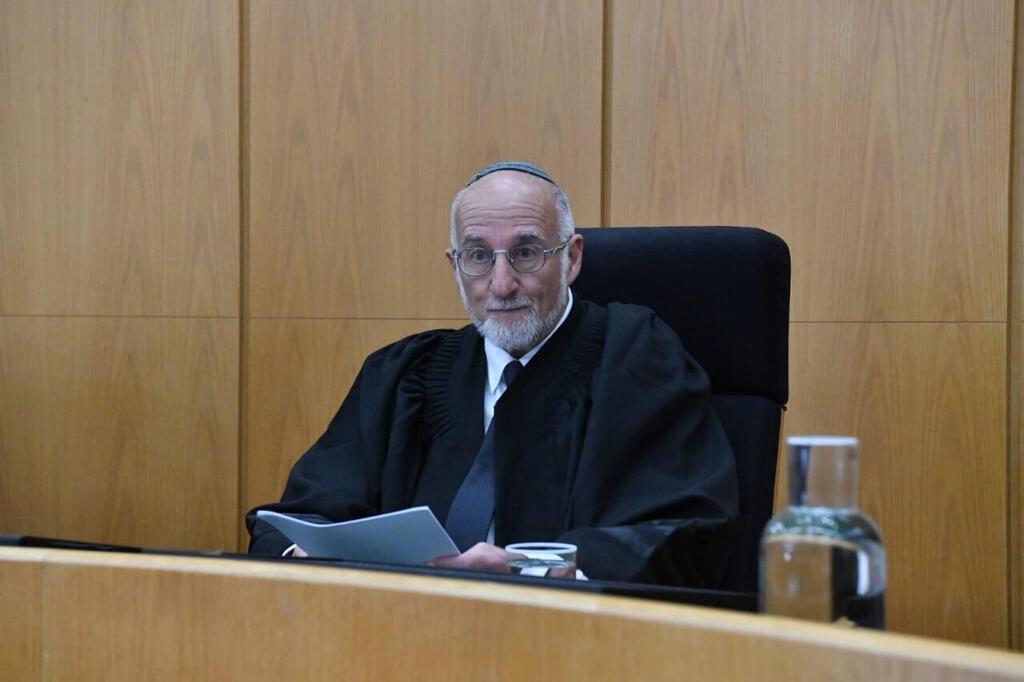
Judge Asher Kula
(Photo: Reuven Castro)
He was chosen by a five-member majority out of the seven-person selection panel. Alongside Levin, the committee included Environmental Protection Minister Idit Silman, Coalition Whip MK Ofir Katz, former Supreme Court deputy chief justice Elyakim Rubinstein, retired National Labor Court president Varda Wirth Livne, retired rabbinical judge Rabbi Yitzhak Zar and National Public Defender Anat Meyassed-Cnaan.
Rubinstein and Wirth Livne opposed the appointment but emphasized that they did not question Kula’s qualifications and wished him success in a role they said “can sometimes involve matters of life and death.”
Kula previously served as deputy president of the Nazareth District Court and gained recognition as a vocal critic of the prosecution.
He is best known for presiding over the retrial of Roman Zadorov, who was acquitted of the 2006 murder of 13-year-old Tair Rada. During the trial, Kula leveled harsh criticism at the prosecution, stating, “Things that were done here, in my view, should not happen in a proper country. I cannot proceed with this case in good conscience while the prosecution behaves this way.”
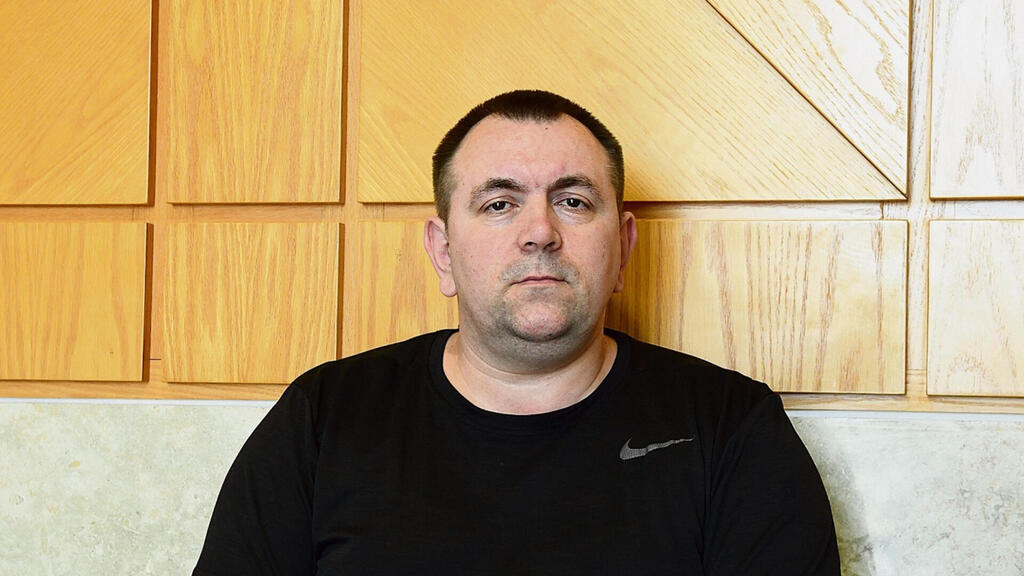
Acquitted Roman Zadorov
(Photo: Nahum Segal)
He explained that he acquitted Zadorov because the indictment stemmed from a “flawed process from the outset,” but also praised the judicial system for allowing the retrial to take place.
Kula’s selection by Levin’s committee in May was seen as aligning with the justice minister’s vision and with the right-wing camp; a judge from outside the legal establishment’s elite, skeptical, not automatically siding with prosecutors and unafraid to voice his views.
While he holds conservative views on judicial activism, Kula also opposes extremism from any political camp. Colleagues describe him as a thorough judge who does not hold back criticism, whether directed at prosecutors, defendants or defense attorneys, even during courtroom proceedings.
Since retiring, Kula has continued to express independent views in public. He opposed the High Court’s striking down of the “reasonableness clause” repeal but also criticized government calls to ignore court rulings.
“We all understand that we must bow our heads before the High Court’s decisions. That’s how democracy works,” he said. “And if that’s how democracy works, then why on earth are there so many protests? Why the threats of rebellion?”
In a March interview with public broadcaster Kan, he said, “I don’t see a constitutional crisis. Firing the attorney general is not the end of democracy.” According to Kula, external noise does not influence the courts; only the facts presented before them do.