


Former U.S. Vice President Kamala Harris is trying to redefine her place in the Democratic Party. Her main target these days is one of the most influential figures on the American left: New York Mayor Zohran Mamdani. The two spoke by phone last week after months of text exchanges, amid growing assessments in Washington that Harris is considering another presidential run in 2028.
According to people familiar with the details, the call, which focused on the future of the Democratic Party and the possibility of continuing the dialogue between them, took place shortly after three progressive candidates backed by Mamdani won Democratic primaries in New York. The victories strengthened Mamdani’s status as a kind of kingmaker on the party’s left flank.
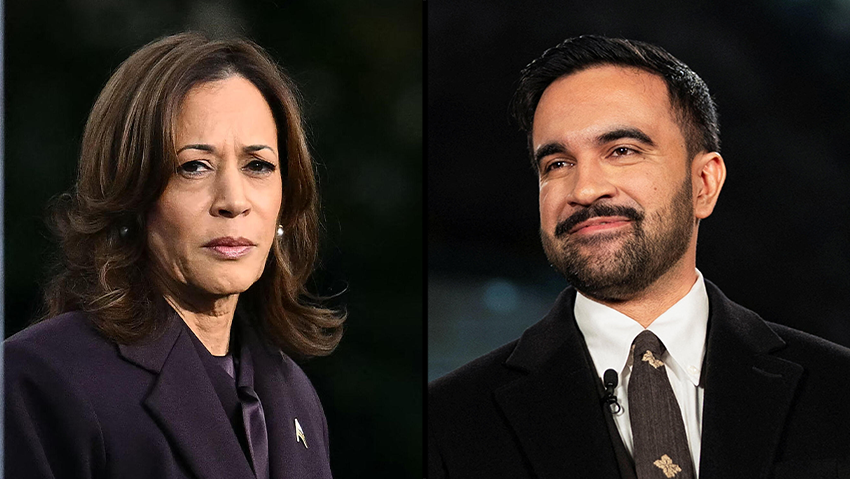
For Harris, who failed in 2024 in her attempt to succeed Joe Biden and lost to Donald Trump, this is more than a political gesture. The move appears to mark the beginning of a calculated courtship of a voter base that did not rally behind her last time.
Mamdani, identified with the progressive wing of the party and sharp criticism of Israel, has in recent months become a symbol of the shifting balance of power inside the Democratic Party. The victories by candidates he supported alarmed the moderate camp, but also made clear to anyone dreaming of the White House in 2028 that he cannot be ignored.
Harris, according to reports, understands that well. She has not stopped at one phone call. At the same time, she has held meetings and conversations with other progressive figures, including Rep. Alexandria Ocasio-Cortez, whom she met backstage at a conference in Chicago.
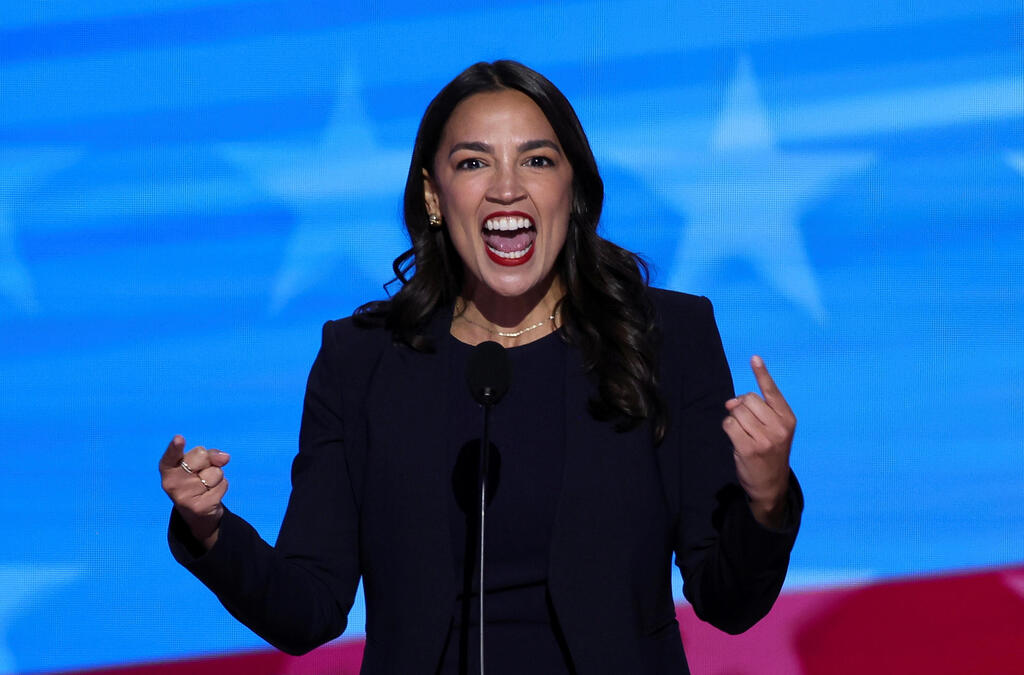
Alexandria Ocasio-Cortez
(Photo: REUTERS/ Mike Segar)
Harris’ most notable effort is aimed at pro-Palestinian activists, who in 2024 saw her as a continuation of Biden’s approach to the war in Gaza. During the previous campaign, Harris rejected a demand by the Uncommitted movement to allow a Palestinian-American speaker to address the Democratic National Convention.
Now she is trying to repair the rupture. Last week, she met in Detroit with Abbas Alawieh, one of the movement’s founders, who is now running for the Michigan state Senate. According to Alawieh, he requested the meeting after Harris had contacted him several times before, and he stressed that he was not speaking on behalf of the movement.
He said he again made his position clear to her: “American taxpayer dollars should never be used to harm civilians or destroy entire communities.”
Harris also spoke with James Zogby, a member of the Democratic National Committee and a veteran advocate for Palestinian rights.
But the road back to the trust of the progressive left is far from guaranteed. Rania Batrice, a Palestinian-American strategist, said that if Harris has truly changed direction, she must prove it.
“Why would we trust her now?” Batrice asked, adding that until she does so, “the skepticism is not only understandable, it is entirely justified.”
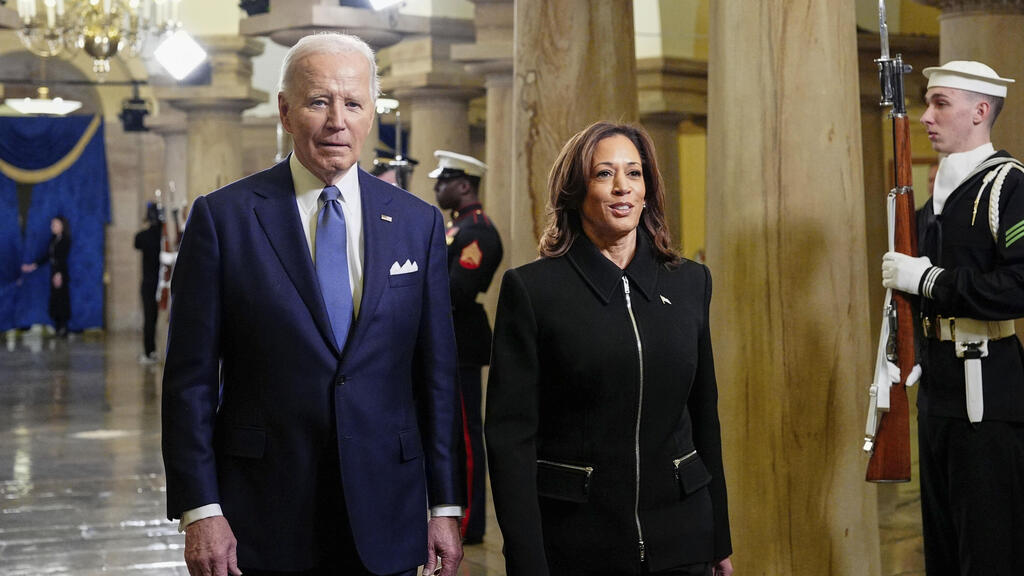
Kamala Harris and Joe Biden
(Photo: Melina Mara, AP)
Harris already hinted in April that she might run again. At a conference of the National Action Network, the U.S. civil rights organization, she was asked by Rev. Al Sharpton whether she would seek the presidency in 2028. “I may. I may. I am thinking about it,” she replied. “I’ll let you know.”
The crowd urged her to run, and less than a week later she visited South Carolina, one of the most important states in the Democratic primary calendar.
Now, the conversations with Mamdani and pro-Palestinian activists suggest that Harris is no longer satisfied with hints. She is trying to rebuild a channel to the Democratic left, not only through senior party figures in Washington, but also through grassroots leaders who have proved their strength at the ballot box.
On the Republican side, the move has already become an attack line against her, with critics presenting it as proof that she is moving closer to the radical left. One Republican strategist argued that it would haunt her in any possible future run.
Republican National Committee Chairman Joe Gruters said the outreach to Mamdani and similar activists shows where the Democratic Party is heading.
“The Democrats are in big trouble as a party,” he said.