


As tensions with Iran reach a critical point, IDF Chief of Staff Lt. Gen. Eyal Zamir conducted a secret visit to Washington over the weekend, following earlier visits by Military Intelligence chief Maj. Gen. Shlomi Binder and, two weeks ago, Mossad Director David Barnea.
Zamir’s meeting with Chairman of the Joint Chiefs of Staff Gen. Dan Caine was described as top-level strategic coordination, amid growing concern that Iran could retaliate against Israel in response to a potential U.S. strike.
Gallery
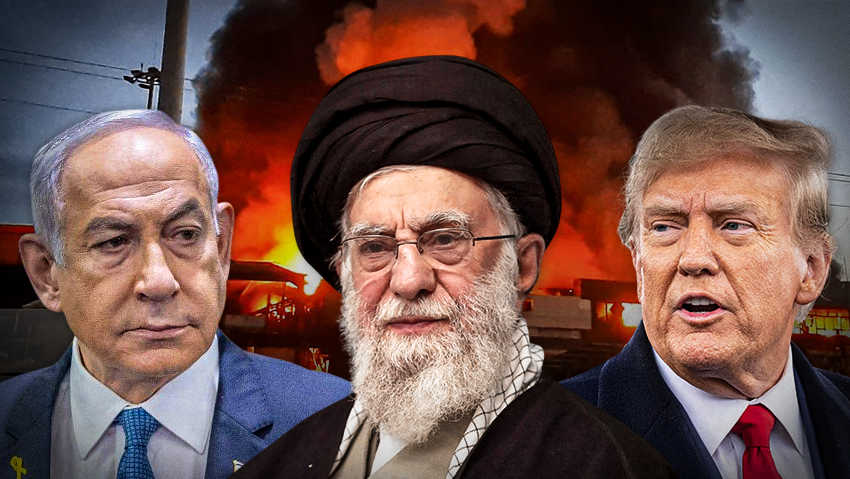
Israel to Washington: ‘Without a strike, you’ll look weak’
(Photo: Lev Radin/ Shutterstock, AP, Chaim Glodberg/ Flash90)
The Israeli visits coincide with senior U.S. military travel to Israel, including CENTCOM commander Adm. Brad Cooper. Over the weekend, the guided-missile destroyer USS Delbert D. Black docked at the port of Eilat before departing to continue operations in the Red Sea. The move is part of what U.S. President Donald Trump has called a “big armada” sent to the region, including the aircraft carrier Abraham Lincoln and eight guided-missile destroyers.
Security cooperation between Israel and the United States has reached unprecedented levels across all tiers: the IDF, the CIA and the political leadership. Israel has shared its most sensitive intelligence, including detailed information on the brutal suppression of last month’s protests in Iran, the scale of killings and the systematic massacre of demonstrators.
Much of the dialogue has focused on preparations for both offense and defense. In Israel, planners are preparing for the possibility of a unilateral U.S. strike on Iran. Washington may ask Israel to join the operation, citing the experience Israel gained during last June’s Operation Rising Lion. U.S. officials are also seeking lessons learned from that conflict.
US President Donald Trump responds to Khamenei's threat of 'regional war'


If Trump decides to act on his threats, Israel is expected to assist primarily through intelligence cooperation. The coordination is viewed as essential for both sides.
Israeli officials assess that if the United States strikes Iran, Tehran will follow through on its threats to retaliate against Israel. Supreme Leader Ayatollah Ali Khamenei warned earlier that a U.S. attack would ignite a regional war. Asked about the warning, Trump responded: “I hope we make a deal. If we don’t make a deal, we’ll find out whether he’s right or not.”
Trump added that U.S. warships sent toward Iran would arrive “within a few days,” suggesting that the United States is not yet fully operationally ready for an attack.
Israel has presented Washington with its defensive preparations, including interceptor systems, while also receiving updates on how the United States would assist in defending Israel. The Wall Street Journal reported that Washington is continuing to deploy air defense assets to the region, including additional THAAD and Patriot batteries in Jordan, Kuwait, Bahrain, Saudi Arabia and Qatar, alongside existing U.S. forces.
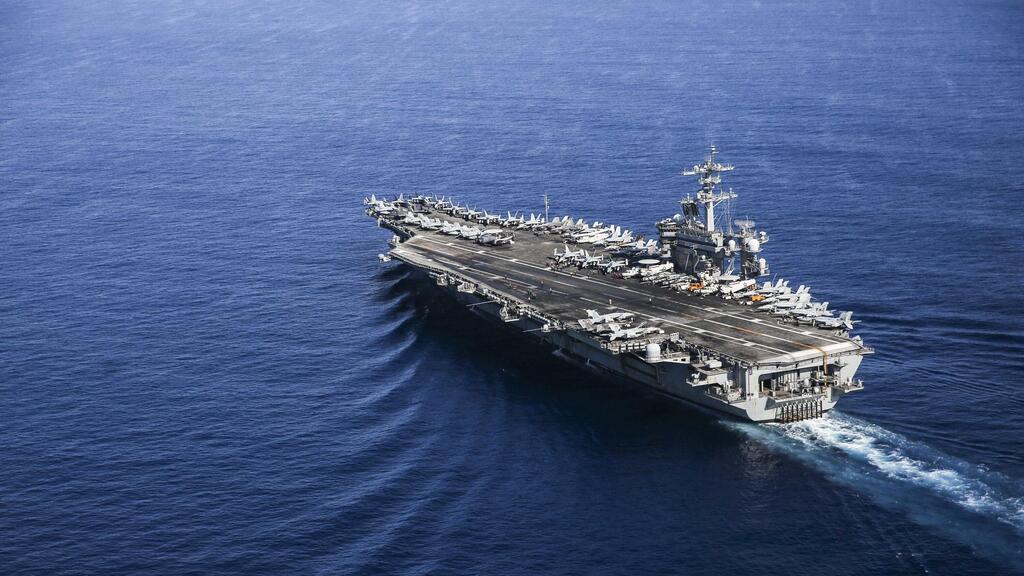
USS Abraham Lincoln
(Photo: US Navy)
Unlike during the 12-day war, Israeli officials believe that a future Iranian attack would likely trigger a broad international defensive response, similar to what occurred during Iran’s missile barrages in April and October 2024.
Despite the coordination, Israel is careful not to appear as pushing the United States toward war. At the same time, Jerusalem has warned that if Washington refrains from action, it could be perceived in the region as weakness, especially given Iran’s threats, Trump’s past encouragement of Iranian protesters, and the subsequent massacre of demonstrators.
Prime Minister Benjamin Netanyahu convened a limited security meeting Sunday evening with Zamir, Defense Minister Israel Katz and Mossad Director Barnea to receive updates from Zamir’s Washington talks.
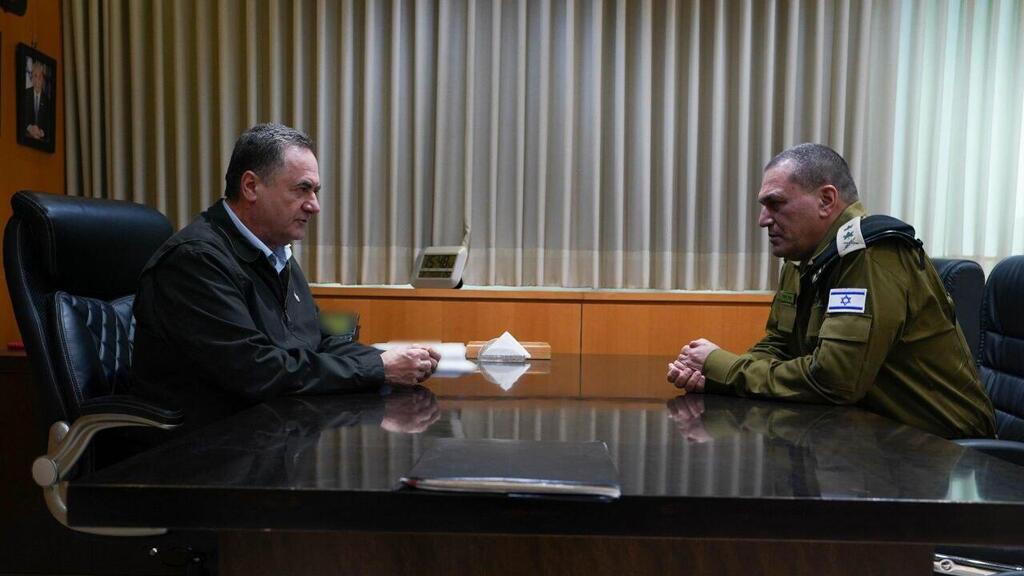
Defense Minister Israel Katz and IDF Chief of Staff Eyal Zamir
(Photo: Ariel Hermoni)
Israeli assessments suggest that while the United States is preparing seriously for a strike, Trump still wants to exhaust diplomatic channels. At the same time, he is seen as determined to act if Iran rejects his terms. Publicly, Trump has said only that he wants a deal preventing Iran from acquiring nuclear weapons and stopping the killing of protesters.
Behind the scenes, however, the U.S. is demanding more: a complete halt to uranium enrichment, limits on Iran’s ballistic missile program and an end to support for regional proxies.
Iran has categorically rejected a total ban on enrichment and refuses to discuss missile restrictions. Israeli officials believe Tehran may offer tactical compromises on the nuclear file but will not concede on missiles or its regional terror network.
Israel’s greatest concern is that Trump may ultimately focus only on the nuclear issue, leaving Iran’s ballistic missile threat intact — a scenario Jerusalem considers the worst possible outcome.
Iranian Foreign Minister Abbas Araghchi told CNN that indirect messaging via regional mediators allows for “productive talks” with Washington but dismissed missile talks as unrealistic. “Let’s not talk about impossible things,” he said.
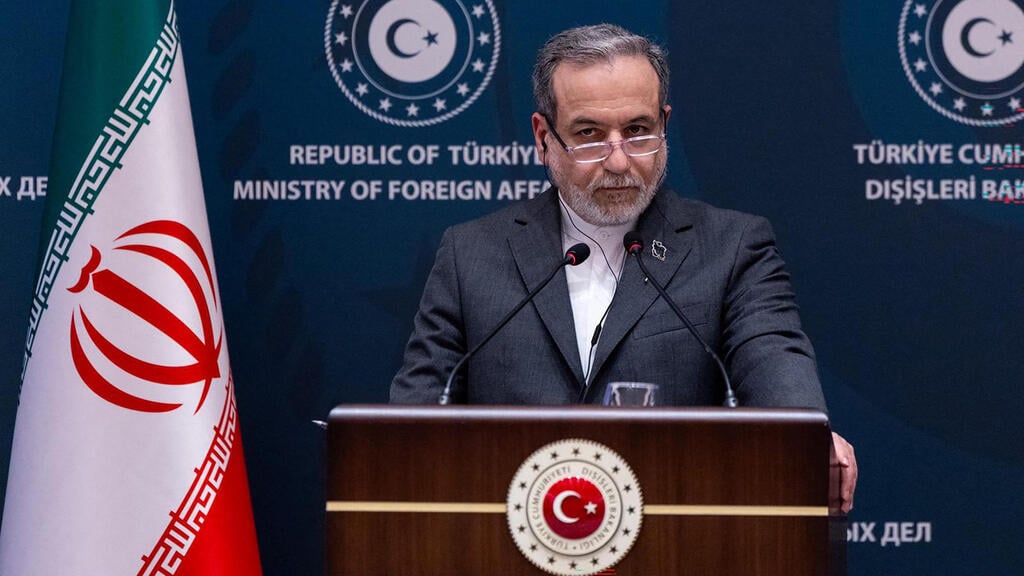
Iranian Foreign Minister Abbas Araghchi
(Photo: AFP/ Turkish Foreign Ministry)
Meanwhile, Trump has yet to make a final decision. Force buildup continues, and timelines for diplomacy versus military action remain unclear. Trump has warned Iran that “time is running out” and said any future strike would be “much harsher” than last year’s targeted attack on nuclear facilities.
Iran’s behavior, including repeated chants of “Death to America” and “Death to Israel” in parliament, is viewed in Israel as reckless brinkmanship. Some officials believe Tehran assumes Trump has already decided to strike and is attempting to sow regional panic to pressure U.S. allies to intervene.
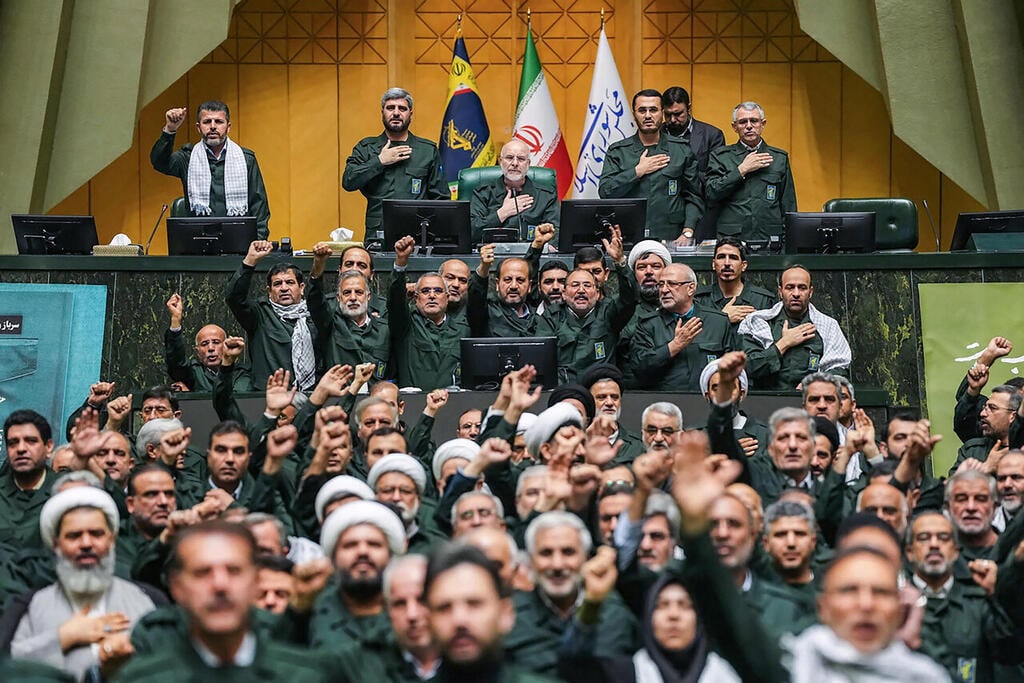
chants of 'Death to America' and 'Death to Israel' in the Iranian parliament
(Photo: AFP/ HO /ISLAMIC CONSULTATIVE ASSEMBLY (ICANA))
Publicly, countries such as Saudi Arabia oppose a strike, but behind closed doors messages differ. According to reports, Saudi Defense Minister Khalid bin Salman told U.S. officials that failure to act would only strengthen the Iranian regime.
For now, Washington continues to build forces, Israel continues to prepare for defense, and the region waits to see whether the standoff ends in a deal or in war.