

Iran on Friday shot down a U.S. F-15E fighter jet, with two crew members aboard who, according to reports, managed to eject. The U.S. military later located one of them.
A New York Times report said U.S. pilots are trained for scenarios in which they are forced to eject, land and find a place to hide while awaiting rescue, likely by aircraft. According to the report, preparation for a situation in which a military aircraft is downed over hostile territory is known as SERE training — an acronym for survival, evasion, resistance and escape.
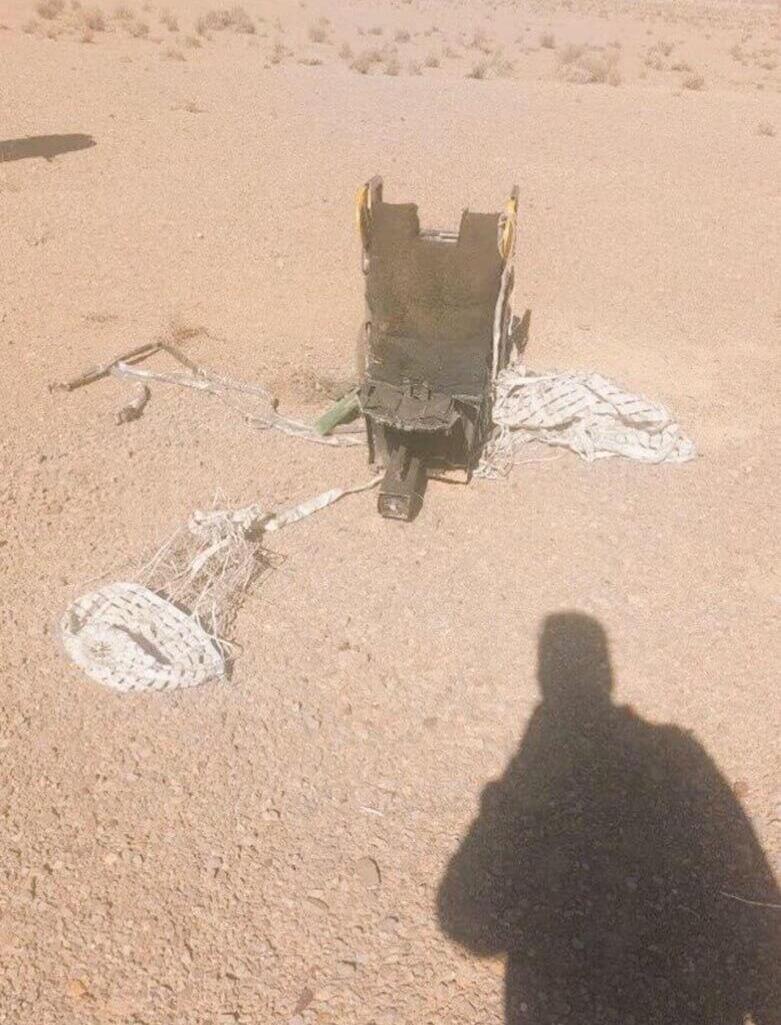
Adm. William Fallon, a former head of U.S. Central Command, said the first stage is to eject safely. Once on the ground, pilots must find a secure location to avoid detection. They are expected to use communication devices to relay their position to U.S. forces, which will then attempt to locate them. U.S. Central Command maintains several special teams near Iran, including in Iraq and Syria, for search-and-rescue missions in the event U.S. fighter jets are shot down.
“Assuming they ejected, they may be alive somewhere on the ground,” Fallon said before reports emerged that one pilot had been found. “The key factor, in my view, is time of day. It’s likely approaching sunset, which is favorable, since we typically have an advantage at night with our search-and-rescue teams.”
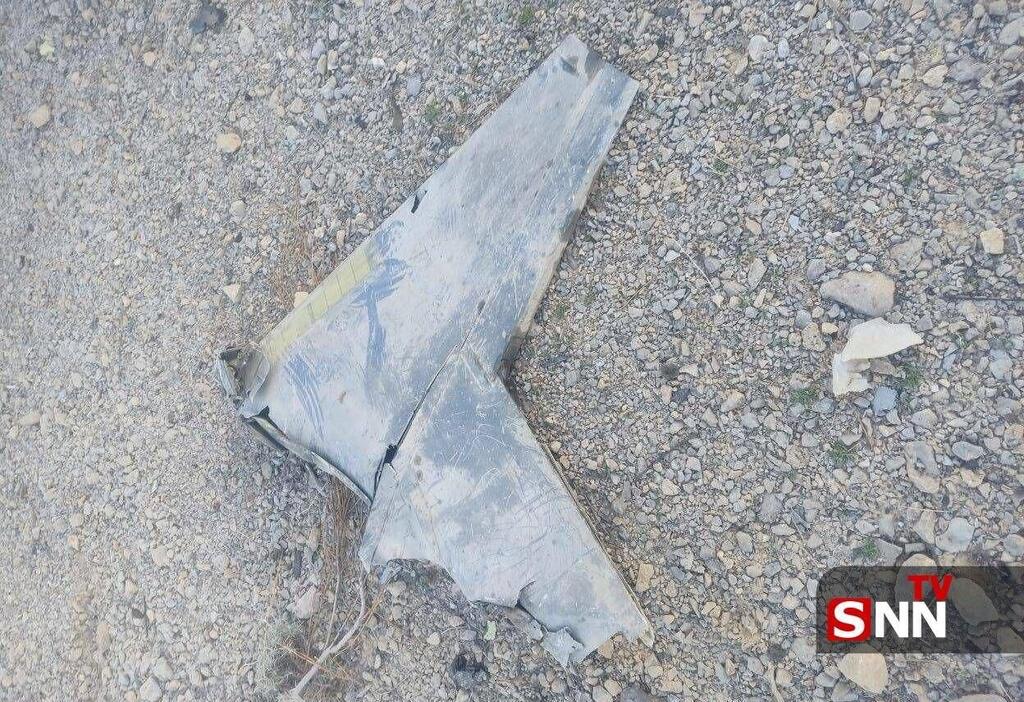
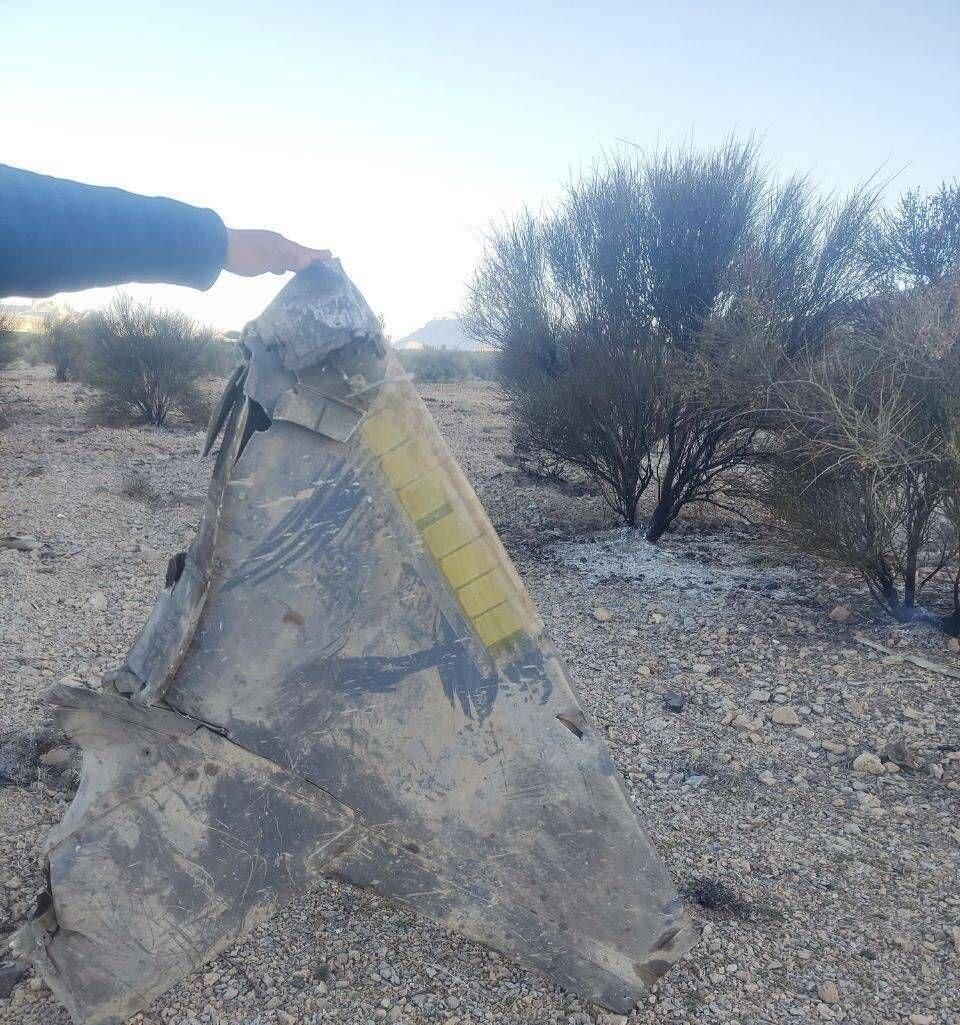
Wreckage of the downed aircraft
Two Iranian media outlets affiliated with the Islamic Revolutionary Guard Corps, Fars and Tasnim, earlier reported that helicopters were searching for the U.S. pilots. Fars said it was unclear where the helicopters originated, while Tasnim reported they were American and claimed one was forced to turn back after coming under fire.
The New York Times reported the pilots also undergo training to prepare for the possibility of being taken hostage, including coping with extreme stress, interrogations and possible torture in captivity.
Iran offered a cash reward for anyone who captures the pilots
Fallon said that after ejecting, pilots should try to reach a dark area and remain in a place that is relatively easy to conceal themselves, such as a dense forest, away from large population centers. Iran has vast remote areas, which could improve the chances of remaining hidden.
The report noted that survival over time could be especially difficult. The United States has no ground forces in Iran, and the crew member who ejected may be injured. A lack of water and food, as well as harsh weather conditions, could further complicate survival efforts.
Earlier Friday, Iranian officials called on residents to search for the U.S. pilots, and a local channel in Kohgiluyeh and Boyer-Ahmad province claimed a cash reward would be given to anyone who captures them.